Are cat tails taking over your garden or lawn? You’re not alone, and it can be frustrating to see these stubborn plants spread quickly.
But don’t worry—getting rid of cat tails is easier than you might think. You’ll discover simple, effective methods to clear your space and keep these weeds from coming back. Keep reading, and you’ll soon have a garden you can enjoy without the hassle of cat tails.
Identify Cat Tails
Identifying cat tails is the first step to removing them from your garden or yard. Knowing what to look for helps you target this weed effectively. Cat tails can spread quickly if left unchecked.
Understanding their appearance and where they grow makes it easier to control them early. Here are some key points to help you spot cat tails.
Common Characteristics
Cat tails have long, narrow leaves that look like grass. They grow tall, often reaching over three feet. Their flower heads are brown and shaped like a sausage or tail. These flower spikes are dense and fuzzy to the touch. The stems are usually green and sturdy. They often grow in thick clusters, making them easy to spot.
Where They Grow
Cat tails prefer wet and marshy areas. They thrive near ponds, lakes, and streams. You can also find them in damp soil or swampy places. Sometimes, they grow in ditches or wet garden spots. They need lots of water but can survive in different soil types. Spotting these areas helps you find cat tails faster.
Credit: weedersdigest.com
Manual Removal Techniques
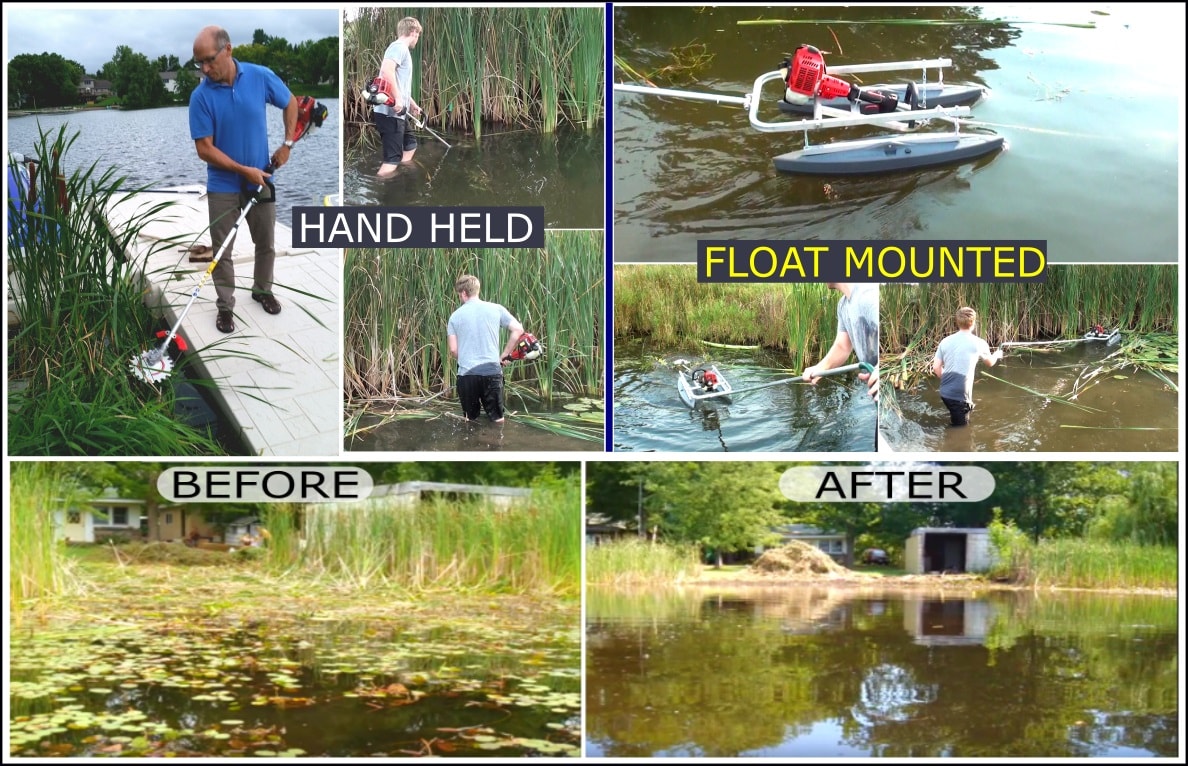
Manual removal techniques help control cat tails without chemicals. These methods work well for small areas or young plants. Removing cat tails by hand or tools stops them from spreading seeds. Care and patience are important for success.
Pulling By Hand
Pull cat tails when the soil is moist. Wet soil makes pulling easier and removes roots fully. Grab the plant near the base. Pull gently but firmly to avoid breaking the stem. Remove the entire root to prevent regrowth. Wear gloves to protect your hands. Dispose of the plants in a sealed bag. Do not compost cat tails as seeds may spread.
Using Tools Safely
Use garden tools like hoes or weeders for larger patches. Choose tools with sharp edges to cut roots below soil. Work carefully to avoid damaging nearby plants. Clear debris after removing cat tails to reduce regrowth chances. Clean tools after use to prevent spreading seeds. Tools make removal faster but need careful handling. Always wear protective gloves and sturdy shoes for safety.
Herbicide Options
Herbicides are a common method to control cat tails in your garden or yard. These chemicals help kill the plants quickly and stop them from spreading. Choosing the right herbicide and applying it properly can make a big difference.
Selecting The Right Product
Choose an herbicide made for broadleaf or grassy weeds. Look for products with glyphosate or imazapyr as active ingredients. These target tough plants like cat tails well. Avoid herbicides that harm nearby flowers or grass you want to keep. Read the label carefully to see what plants the product affects.
Application Tips
Apply herbicide on a dry, calm day. This stops the spray from drifting to other plants. Spray the leaves fully but avoid soaking the soil. Use gloves and protective clothing for safety. Wait a few days to see if the cat tails die. Repeat the treatment if needed for complete control.
Natural Remedies
Natural remedies offer safe and eco-friendly ways to remove cat tails. These methods use common household items. They do not harm your garden or the environment. Natural solutions work well for small to medium infestations. Patience is key when using these techniques. Consistent application improves results over time.
Vinegar Solutions
Vinegar is a natural herbicide that kills cat tails effectively. Mix equal parts of white vinegar and water in a spray bottle. Spray the mixture directly on the cat tails leaves and stems. Avoid spraying on other plants to prevent damage. Vinegar dries out the plants, causing them to die. Repeat the process every few days for best results. Use on sunny days for better absorption.
Boiling Water Method
Boiling water is a simple and natural way to kill cat tails. Pour boiling water directly on the base of the plants. The heat destroys the roots and leaves quickly. This method works best for small patches or young plants. Be careful not to splash boiling water on yourself or nearby plants. Repeat the treatment a few times to stop regrowth. Boiling water is free and easy to use.
Preventing Regrowth
Stopping cattails from growing back is key to keeping your garden neat. Persistent effort is needed to prevent their return. You can control regrowth by managing how you care for your lawn and soil. Proper methods lower the chance of cattails spreading again.
Regular Mowing
Cut cattails often to weaken their roots. Mowing stops them from producing seeds. Keep the mower blade high to avoid damaging grass. Trim the area every week during growing season. Regular cutting reduces cattails’ energy to grow back.
Soil Maintenance
Healthy soil discourages cattail growth. Improve drainage to keep soil dry. Cattails thrive in wet, soggy places. Add organic matter like compost to enrich soil. Test soil pH and balance nutrients carefully. Good soil helps grass grow stronger than cattails.

Credit: aquaticcontrol.com
Landscaping Strategies
Landscaping strategies play a key role in controlling cat tails in your garden. These tall, grassy weeds spread fast and can take over your plants. Smart landscaping helps stop their growth and keeps your yard neat. Choosing the right methods can reduce cat tails naturally without harsh chemicals.
Mulching Benefits
Mulching covers the soil and blocks sunlight. This makes it hard for cat tails to grow. Mulch also keeps soil moist and cool. It improves soil health and stops weeds from spreading. Use thick layers of organic mulch like wood chips or straw. Reapply mulch every few months to keep it effective.
Planting Competitive Vegetation
Plant strong, fast-growing plants near cat tails. These plants compete for water and nutrients. They crowd out the weeds and slow their growth. Choose ground covers or dense grasses that spread quickly. Some good options include clover, ryegrass, or ornamental grasses. Healthy plants create a natural barrier against cat tails.

Credit: www.reddit.com
Frequently Asked Questions
What Are Cat Tails And Why Remove Them?
Cat tails are tall, fluffy weeds that spread quickly. Removing them stops garden damage and keeps plants healthy.
How Can I Manually Remove Cat Tails Effectively?
Pull cat tails by hand, making sure to remove the entire root to prevent regrowth.
Which Herbicides Work Best To Kill Cat Tails?
Use herbicides with glyphosate or imazapyr for best results on cat tails. Follow label instructions carefully.
Can Cat Tails Regrow After Cutting Or Mowing?
Yes, cat tails often regrow if roots stay intact. Complete removal is needed to stop them.
What Natural Methods Help Control Cat Tails In Gardens?
Smother cat tails with mulch or cover soil with black plastic to block sunlight and kill them.
How To Prevent Cat Tails From Coming Back?
Keep soil moist and healthy, remove new shoots early, and maintain dense plant coverage to stop cat tails.
Conclusion
Cat tails can spread quickly if not controlled. Removing them early helps protect your garden. Use simple tools and methods for best results. Stay consistent with your efforts for lasting effects. Clear the area regularly to prevent regrowth. Your garden will look cleaner and healthier soon.
Small steps make a big difference in weed control. Keep your garden free of cat tails and enjoy the space.
As an Amazon Associate, I earn from qualifying purchases.