If you’ve ever tried to care for a stray cat, you know how tricky it can be to get them to use a litter box. It’s frustrating when your new furry friend doesn’t understand where to go.
But don’t worry—you can teach a stray cat to use a litter box with patience and the right approach. Imagine having a clean, stress-free space where your cat feels comfortable and you avoid unwanted messes. In this guide, you’ll discover simple, effective steps to help your stray cat make the litter box their new favorite spot.
Keep reading, because your cat’s comfort and your peace of mind are closer than you think.
Choose The Right Litter Box
Choosing the right litter box is key to help a stray cat use it. The box must feel safe and easy to use. Cats dislike discomfort or tight spaces. Picking a suitable box makes the cat more likely to accept it.
Size And Accessibility
The box should be big enough for the cat to turn around easily. Stray cats often feel nervous. A small, cramped box will scare them away. The sides should be low enough for easy entry. Older or shy cats need easy access. Avoid boxes with high edges that block entry.
Covered Vs. Uncovered Boxes
Some cats like privacy. Covered boxes give a hiding spot. But some cats feel trapped inside. Uncovered boxes offer open space. Stray cats may prefer this for quick escape. Watch the cat’s behavior to choose. Start with an uncovered box. Change if the cat seems uneasy.
Select Suitable Cat Litter
Selecting the right cat litter is key to helping a stray cat use a litter box. Cats have different likes and dislikes about litter. Choosing the right type can make the cat feel safe and comfortable. It helps the cat accept the litter box faster. Pay attention to texture and scent, as these affect the cat’s choice.
Texture Preferences
Stray cats may prefer certain textures in the litter. Soft, fine grains feel gentle on their paws. Some cats like clumping litter because it is easy to dig. Others may avoid rough or hard litter that hurts their feet. Try different textures to see what your cat likes best. Watch if the cat digs or avoids the litter box.
Scented Vs. Unscented
Many cats dislike strong smells in litter. Scented litter can scare or confuse a stray cat. Unscented litter smells more natural and is less likely to scare the cat. Some cats prefer no scent at all. Start with unscented litter to help the cat feel safe. You can try scented types only if the cat seems okay with it.
Create A Comfortable Environment
Creating a comfortable environment is key to helping a stray cat use a litter box. Cats feel safer and more relaxed in spaces that meet their needs. This comfort encourages them to adopt new habits faster.
Focus on making the litter box area calm and inviting. The right setting helps reduce stress and builds trust. Stray cats often face many changes, so a peaceful spot can ease their adjustment.
Quiet And Safe Location
Choose a quiet spot away from loud noises and heavy foot traffic. Cats avoid busy or noisy places. A calm area makes them feel protected and calm.
Keep the litter box out of reach of other pets or children. This privacy helps the cat feel secure. Stray cats need a safe space to explore and relax.
Consistent Placement
Place the litter box in the same spot every time. Cats like routine and predictability. Changing the location may confuse or scare them.
Keep the box easy to find. Clear paths help the cat reach it quickly. Consistency helps build good bathroom habits over time.
Credit: www.lovemeow.com
Introduce The Cat To The Litter Box
Introducing a stray cat to a litter box takes patience and care. The cat needs time to feel safe and understand the new place. This step is important for the cat to start using the litter box regularly. A calm and gentle introduction helps the cat trust you and the new environment.
Gentle Approach
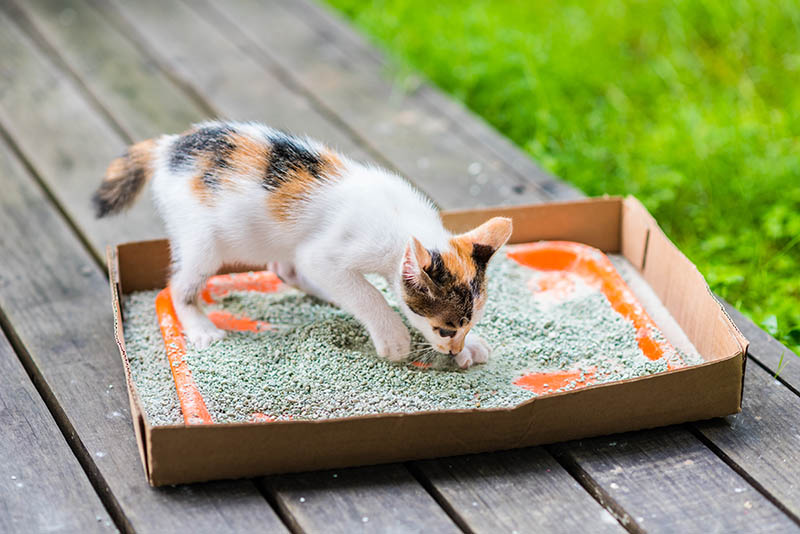
Start by placing the litter box in a quiet, private area. Avoid noisy or busy spots that may scare the cat. Let the cat see the box without forcing it inside. Speak softly and move slowly around the box. Give the cat space to explore at its own pace. Patience is key to build trust and comfort.
Encouraging Exploration
Allow the cat to sniff and touch the litter box freely. You can gently guide the cat near the box after meals or naps. Use calm words and gentle pats to encourage curiosity. Avoid any harsh actions or loud noises. Praise the cat quietly when it shows interest. Exploration helps the cat learn this is the right place to go.
Establish A Routine
Creating a routine helps a stray cat feel safe and comfortable with the litter box. Cats like habits. A steady schedule makes them trust the new space. It guides their behavior and reduces accidents. Patience is key. Small steps build good habits over time.
Feeding And Litter Timing
Feed the cat at the same times every day. Cats usually need to use the litter box soon after eating. Place the litter box near the feeding area. This helps the cat connect eating with bathroom time. Watch the cat’s habits and guide them gently to the litter box.
Regular Cleaning Schedule
Keep the litter box clean daily. Cats avoid dirty boxes. Scoop waste at least once a day. Change the litter fully every week. Clean boxes encourage the cat to use them often. A fresh box smells better and feels safer.
Use Positive Reinforcement
Using positive reinforcement helps stray cats learn to use the litter box. It builds trust and encourages good behavior. Cats respond well to kindness and rewards. This approach makes training easier and faster.
Rewards And Praise
Give treats or small snacks when the cat uses the litter box. Soft petting and gentle words work well too. Praise helps the cat feel safe and happy. Rewarding good behavior increases the chance it will continue. Use rewards right after the cat uses the box.
Avoiding Punishment
Never punish a stray cat for accidents. Punishment can cause fear and stress. Stress makes it harder for cats to learn. Stay calm and patient during training. Focus on positive actions, not mistakes. This helps build a good bond with the cat.
Handle Accidents Calmly
Accidents happen when teaching a stray cat to use a litter box. Staying calm helps your cat learn faster. Stress and anger can scare the cat away from the box. Calmness shows the cat that accidents are not a big deal. This builds trust and makes training easier.
Cleaning Techniques
Clean accidents right away to remove smells. Use an enzyme cleaner to break down urine and feces. Avoid ammonia-based cleaners because they smell like urine. Rinse the area well and dry it completely. This stops the cat from returning to the same spot. A clean space encourages the cat to use the litter box.
Preventing Repeat Incidents
Watch your cat’s behavior after an accident. Add another litter box if you have many rooms. Place boxes in quiet and easy-to-access spots. Change the litter regularly to keep it fresh. Praise your cat when it uses the box correctly. These steps reduce accidents and build good habits.

Credit: magmaequipos.com
Seek Professional Advice If Needed
Sometimes, getting a stray cat to use a litter box needs more help than patience and treats. Stray cats may have health or behavior issues that stop them from using the box. Professionals can find hidden problems and guide you with clear advice.
Veterinary Checkup
A vet visit helps rule out health issues. Pain or illness can make a cat avoid the litter box. Urinary tract infections, kidney problems, or arthritis are common causes.
The vet checks the cat’s overall health and gives treatments if needed. A healthy cat is more likely to use the litter box.
Behavioral Expert Consultation
Sometimes, behavior causes litter box problems. A cat might feel scared, stressed, or confused. A behavioral expert studies these actions and finds the cause.
The expert teaches how to change the cat’s habits. They suggest ways to make the cat feel safe and calm around the litter box.
Credit: www.catster.com
Frequently Asked Questions
How Do I Introduce A Litter Box To A Stray Cat?
Place the litter box in a quiet, safe spot. Show the cat the box gently.
What Type Of Litter Is Best For Stray Cats?
Use unscented, clumping litter. It feels natural and is easy to clean.
How Often Should I Clean The Stray Cat’s Litter Box?
Clean daily to keep it fresh. Cats like a clean place to go.
How Can I Encourage A Stray Cat To Use The Litter Box?
Praise and gentle petting help. Keep the box in a calm area.
What If The Stray Cat Avoids The Litter Box?
Check if the box is clean and quiet. Try moving it to a new spot.
Can Diet Affect A Stray Cat’s Litter Box Habits?
Yes, good food helps regular bathroom habits. Poor diet can cause problems.
Conclusion
Helping a stray cat use a litter box takes time and patience. Start by placing the box in a quiet, safe spot. Keep it clean and use litter that feels natural to the cat. Watch the cat’s behavior and gently guide it when needed.
Trust builds slowly, so stay calm and kind. Small steps lead to big progress. Soon, the cat will feel comfortable using the litter box. This makes life easier for both of you. Keep trying and stay patient. The effort will be worth it in the end.
As an Amazon Associate, I earn from qualifying purchases.