Giving your dog an injection might sound scary, but it doesn’t have to be. You want what’s best for your furry friend, and sometimes that means handling shots at home.
Imagine being able to do it calmly and confidently, without stress for you or your dog. In this guide, you’ll learn simple, step-by-step tips that make the process easier and safer. Keep reading, and you’ll discover how to give your dog an injection like a pro—protecting their health and strengthening your bond.
Preparing For The Injection
Preparing your dog for an injection helps make the process smooth and safe. It lowers stress for both you and your pet. Getting ready means having the right tools, a good spot, and a calm dog. These steps build trust and make the injection easier.
Gathering Supplies
Collect all items before starting. You need the syringe, medication, and cotton balls. Have treats nearby to reward your dog. Keep everything within reach to avoid leaving your dog alone. A clean towel can help if your dog moves suddenly.
Choosing The Right Location
Pick a quiet and bright place with little noise. A familiar room helps your dog feel safe. Use a surface that is easy to clean, like a table or floor. Avoid slippery floors to prevent accidents. Good lighting helps you see clearly during the injection.
Calming Your Dog
Talk softly to soothe your dog’s nerves. Gently pet them to show comfort. Let your dog sniff the syringe before use. Take slow, deep breaths to stay calm yourself. Pause if your dog seems scared and try again slowly.
Understanding The Injection Type
Understanding the type of injection is important before giving a dog a shot. Different injections go into different parts of the body. Knowing this helps you give the injection safely and correctly. It also makes sure the medicine works well.
Subcutaneous Vs Intramuscular
Subcutaneous injections go under the skin but above the muscles. This area has loose skin and fewer blood vessels. These shots are less painful and easier to give. They are often used for vaccines and fluids.
Intramuscular injections go deep into the muscles. This method delivers medicine faster than subcutaneous shots. It can cause more discomfort for the dog. Only certain medicines need this type of injection. Knowing the right spot is key to avoid hurting the dog.
Reading The Medication Label
Always read the medication label carefully before giving an injection. The label tells you the injection type needed. It also shows the correct dose and how often to give it. Some medicines need special handling or storage. Follow these instructions to keep your dog safe.
Check for warnings or side effects on the label. If the label is unclear, ask your vet. Never guess the injection type or dose. Proper reading prevents mistakes and protects your dog’s health.
Step-by-step Injection Process
Giving a dog an injection might seem hard at first. Following clear steps helps make the process smooth and safe. This guide breaks down each part so you can feel confident. Take your time and stay calm. Your dog will trust you more with gentle care.
Washing Your Hands
Clean hands stop germs from spreading. Use warm water and soap. Wash for at least 20 seconds. Dry your hands with a clean towel. This step protects both you and your dog.
Drawing Medication
Use a sterile syringe and needle. Check the medicine label twice. Pull the right amount of medicine into the syringe. Avoid air bubbles by tapping the syringe gently. Push out any bubbles before the injection.
Positioning Your Dog
Find a quiet spot with good light. Have someone hold your dog if needed. Keep your dog calm and still. Gently pet your dog to relax them. Choose the right spot on their body for the shot.
Administering The Injection
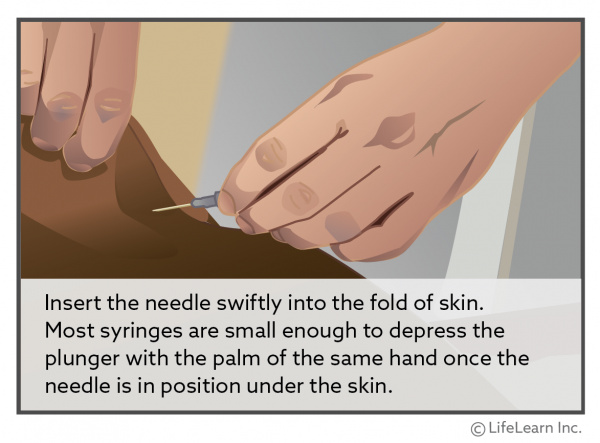
Hold the syringe like a pencil. Pinch the skin to make a small tent. Insert the needle quickly and smoothly. Push the plunger slowly to release medicine. Remove the needle and praise your dog softly.

Credit: www.omlet.us
Aftercare Tips
After giving your dog an injection, caring for them properly is very important. This helps your dog feel better and stay safe. Follow these aftercare tips to keep your dog comfortable and healthy.
Rewarding Your Dog
Give your dog a treat or praise after the injection. This helps your dog feel calm and happy. Rewards make future injections easier. A gentle pet or a favorite toy also works well.
Monitoring For Reactions
Watch your dog closely after the injection. Look for swelling, redness, or pain where the shot was given. Check for unusual behavior like vomiting, shaking, or tiredness. Contact your vet if you see any problems.
Disposing Of Needles Safely
Put used needles in a hard container. Do not throw them in the trash loose. Keep needles away from children and pets. Take the container to a local disposal site or follow your vet’s advice.
Common Mistakes To Avoid
Giving a dog an injection can be stressful for both owner and pet. Avoiding common mistakes makes the process smoother and safer. Simple errors may cause pain or injury to your dog. Awareness of these mistakes helps ensure the injection goes well.
Injecting Too Quickly
Injecting medicine too fast can hurt your dog. It may cause pain and swelling at the injection site. Take your time and inject the medicine slowly. This helps your dog feel less discomfort and lowers risk of injury.
Using The Wrong Needle Size
Needles come in different sizes for a reason. Using a needle that is too large can cause pain and bruising. A needle too small may not deliver medicine properly. Choose the right needle size for your dog’s weight and type of injection.
Skipping Restraint
Not holding your dog still can cause problems. Sudden moves may lead to injury or missed injection. Use gentle restraint to keep your dog calm and steady. This makes the injection safer and easier for both of you.
:max_bytes(150000):strip_icc()/pet-insulin-f71cbe6886a44a61804ec5b705fbea0f.png)
Credit: www.dailypaws.com
When To Seek Veterinary Help
Giving your dog an injection can be safe at home. Still, some signs need quick veterinary care. Knowing when to seek help keeps your dog safe and healthy.
Signs Of Allergic Reactions
Watch for swelling around the face or neck. Difficulty breathing or wheezing is a serious sign. Your dog may vomit or have diarrhea. Sudden weakness or collapse needs urgent care. Redness or hives on the skin also show allergies.
Injection Site Issues
Check the injection site for swelling or heat. A hard lump may form under the skin. Look for redness or oozing pus. If your dog is in pain or limps, get help. These signs could mean infection or injury.
Credit: athomevet.net
Frequently Asked Questions
How Do I Prepare My Dog For An Injection?
Calm your dog, gather supplies, and choose a quiet place before giving the injection.
Where Is The Best Spot To Inject My Dog?
The loose skin over the neck or the back leg muscle is ideal for injections.
How Can I Safely Hold My Dog During Injection?
Gently but firmly hold your dog to prevent sudden moves and avoid injury.
What Type Of Needle Should I Use For A Dog Injection?
Use a small, sharp needle suited for your dog’s size and the medication.
How Do I Avoid Hurting My Dog While Injecting?
Insert the needle quickly and smoothly to reduce pain and stress for your dog.
What Should I Do If My Dog Reacts Badly After Injection?
Watch for swelling or vomiting and contact your vet immediately if symptoms appear.
Conclusion
Giving a dog an injection can seem hard at first. Stay calm and gentle throughout the process. Prepare everything you need before you start. Hold your dog still but do not hurt them. Use the right technique to make it quick and safe.
Remember, practice helps you feel more confident. Always watch your dog’s reaction after the injection. If you notice any problems, contact your vet immediately. Taking care of your dog’s health is very important. You can do this with patience and care.
As an Amazon Associate, I earn from qualifying purchases.