If your cat has been diagnosed with diabetes, giving insulin might feel overwhelming at first. You want to help your furry friend feel better, but the idea of injections can be scary.
What if you make a mistake? What if your cat doesn’t cooperate? Don’t worry—giving insulin to your cat is easier than you think, and with the right steps, you can become confident in managing your pet’s health. Keep reading, and you’ll discover simple, clear instructions that will turn this challenge into a routine you and your cat can handle together.
Credit: portsmouthvetclinic.com
Preparing For Insulin Injection
Preparing for an insulin injection is an important step in managing your cat’s diabetes. Careful preparation ensures the process is smooth and less stressful for both you and your cat. It helps deliver the right dose safely and effectively. Follow these key steps before giving insulin to your cat.
Gathering Supplies
Collect all necessary items before starting the injection. You need insulin, a syringe, alcohol wipes, and a clean towel. Keep everything within reach to avoid interruptions. Use a small, sharp needle designed for pets. This reduces discomfort during the injection.
Choosing The Right Insulin
Select the insulin type prescribed by your vet. Different insulins have different strengths and effects. Never swap brands without consulting your vet first. Use only veterinary-approved insulin for cats. This ensures the medicine works well and keeps your cat safe.
Storing Insulin Properly
Store insulin in the refrigerator between 36°F and 46°F (2°C and 8°C). Avoid freezing or shaking the insulin vial. Keep it away from direct sunlight and heat. Check the expiration date before each use. Proper storage keeps insulin effective and safe for your cat.
Getting Your Cat Ready
Getting your cat ready for insulin injections helps make the process smooth. Cats can be nervous about injections. Preparing them gently lowers their stress and makes giving insulin easier. Preparation includes calming your cat, handling them with care, and finding the right spot for the shot.
Creating A Calm Environment
Choose a quiet room with few distractions. Soft lighting and gentle sounds help your cat relax. Avoid loud noises or sudden movements that can startle your cat. Sit close to your cat so they feel safe. Use a calm voice to soothe your pet.
Handling Your Cat Gently
Hold your cat softly but firmly to keep them steady. Avoid squeezing or holding too tight. Let your cat rest in your lap or on a soft surface. Use slow, smooth movements to avoid scaring them. Pet your cat gently before and after the injection.
Identifying Injection Sites
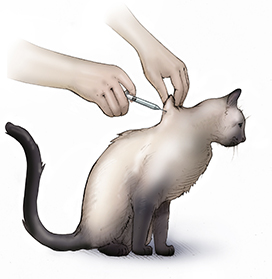
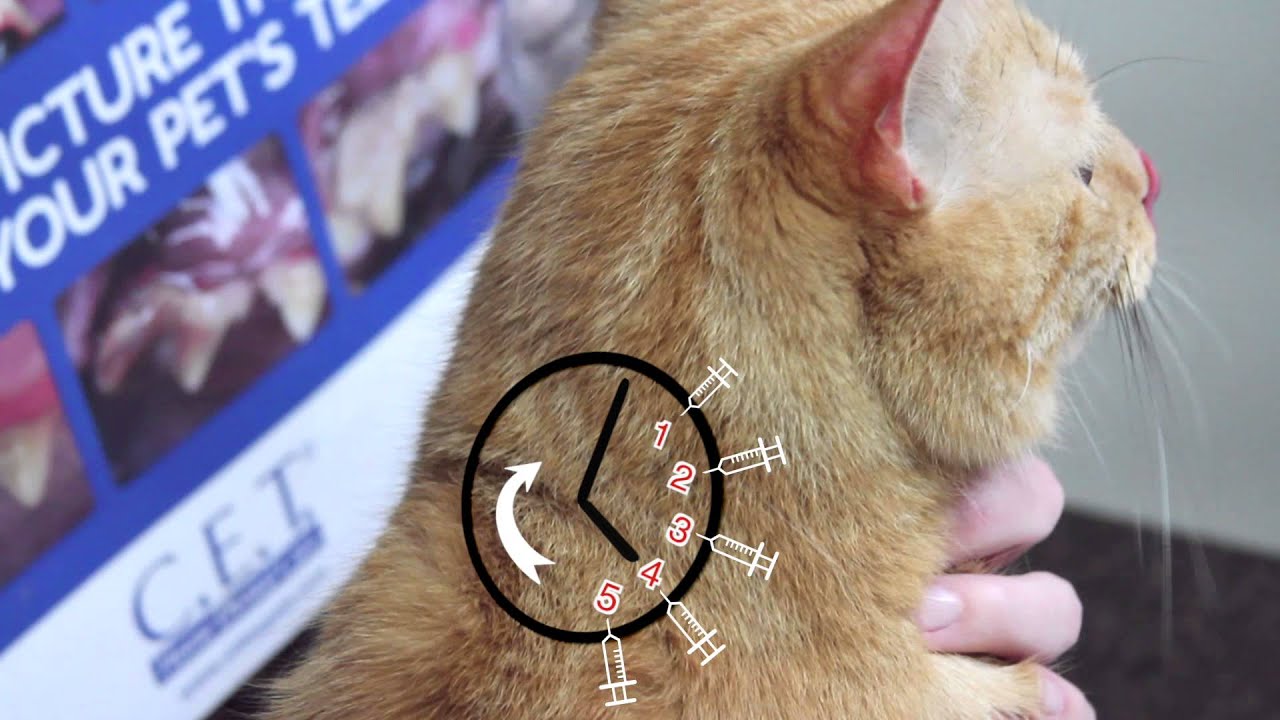
Insulin injections usually go under the skin, not into the muscle. Common spots include the loose skin at the back of the neck or the side of the body. Look for areas where the skin lifts easily. Avoid spots with wounds or irritation. Rotate injection sites to prevent skin problems.
Administering The Injection
Giving insulin to your cat is a key part of managing diabetes. It may feel hard at first. Practice and patience make it easier over time. This section covers how to give the injection safely and correctly.
Drawing Insulin Correctly
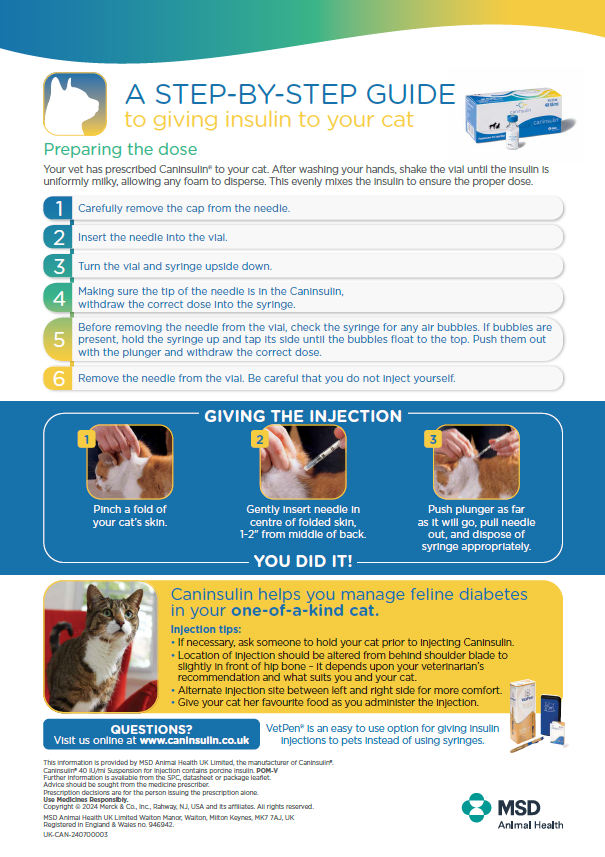
Start by washing your hands well. Use a clean syringe for each injection. Gently roll the insulin bottle between your hands. Avoid shaking it fast to keep insulin stable. Remove the cap from the needle carefully. Pull back the syringe plunger to draw air equal to the insulin dose. Insert the needle into the bottle and push air in. Turn the bottle upside down and pull back the plunger slowly. Draw the exact dose of insulin needed. Check for bubbles in the syringe. Flick the syringe gently to remove bubbles. Push the plunger slightly to expel air.
Proper Injection Technique
Choose a spot with loose skin on your cat’s side or neck. Hold the syringe like a pencil. Pinch the skin to make a small tent. Insert the needle quickly under the skin at a shallow angle. Push the plunger slowly to inject insulin. Withdraw the needle carefully and release the skin. Praise your cat gently to reduce stress. Dispose of the needle safely in a sharps container. Keep a consistent injection time each day.
What To Do If Your Cat Resists
Stay calm and speak softly to your cat. Use treats or gentle petting as a reward. Wrap your cat in a towel to limit movement if needed. Ask a family member to help hold your cat. Try to create a quiet, calm environment. Practice the injection steps slowly to build trust. Never force your cat. If resistance continues, talk to your vet for advice.
Credit: www.youtube.com
Aftercare And Monitoring
After giving insulin to your cat, careful aftercare and monitoring are very important. This helps keep your cat safe and healthy. You must watch for any problems and check how well the insulin is working. Understanding your cat’s reactions will help you and your vet make good decisions about their care.
Watching For Side Effects
Some cats may have side effects from insulin. Watch for signs like weakness, shaking, or unusual tiredness. These could mean low blood sugar, which needs quick attention. Other signs include vomiting or loss of appetite. If you see any of these, contact your vet immediately. Early action can prevent serious problems.
Tracking Blood Sugar Levels
Tracking your cat’s blood sugar levels helps you see how well the insulin works. Use a home glucose meter or visit your vet regularly. Keep a daily log of readings and any symptoms. This record helps your vet adjust treatment and keep your cat stable. Consistent tracking is key to managing diabetes well.
Adjusting Dosage With Vet Guidance
Never change insulin doses without your vet’s advice. Dosage adjustments need careful planning. Your vet will use blood sugar data and your cat’s health to decide changes. Follow their instructions closely to avoid risks. Proper dosage helps keep your cat’s blood sugar balanced and prevents side effects.
Tips For Stress-free Insulin Care
Giving insulin to a cat can be stressful for both you and your pet. Stress can make the process harder and affect your cat’s health. Simple tips can make insulin care calm and easy. These tips help your cat feel safe and comfortable during injections. A peaceful routine helps keep your cat healthy and happy.
Establishing A Routine
Keep insulin injections at the same time every day. Cats like predictability. A regular schedule reduces anxiety for your cat. Prepare the insulin and supplies before your cat feels nervous. Choose a quiet place with few distractions. Routine helps your cat accept injections calmly.
Using Treats And Positive Reinforcement
Use treats to reward your cat after each injection. Treats help your cat connect insulin shots with good things. Speak softly and gently pet your cat during the process. Praise and treats build trust and reduce fear. Positive reinforcement makes insulin time less scary.
When To Seek Professional Help
Ask a vet if your cat resists injections strongly. Professionals can show safe techniques to ease the process. If your cat shows unusual reactions, get veterinary advice. Early help prevents stress and keeps your cat healthy. Never hesitate to seek expert support for insulin care.
Credit: www.msd-animal-health-hub.co.uk
Frequently Asked Questions
How Do I Prepare Insulin For My Cat?
Use the exact dose prescribed by your vet. Roll the vial gently to mix.
Where Is The Best Place To Inject Insulin In Cats?
Inject under the skin, usually between the shoulder blades or on the side.
How Can I Safely Hold My Cat During Insulin Injection?
Hold your cat gently but firmly. Use a towel if needed to keep still.
How Often Should I Give Insulin To My Diabetic Cat?
Follow your vet’s schedule, usually once or twice a day at the same time.
What Are Common Side Effects Of Insulin In Cats?
Watch for low blood sugar signs like weakness, shaking, or seizures. Call your vet.
Can I Store My Cat’s Insulin At Home Safely?
Keep insulin in the fridge, not frozen. Use it within the expiry date.
Conclusion
Giving insulin to a cat can seem hard at first. Take it slow and stay calm. Use the right tools and follow your vet’s advice. Watch your cat closely for any changes. Keep a routine to help your cat feel safe.
You will get better with practice every day. Your care helps your cat stay healthy and happy. Trust yourself—you are doing a great job.
As an Amazon Associate, I earn from qualifying purchases.