Is your horse restless, nervous, or hard to calm down? A fretful horse can make your time together stressful and challenging.
But you don’t have to accept this as normal. You can help your horse feel safe and relaxed again. You’ll discover simple, effective ways to ease your horse’s anxiety and build a stronger, calmer bond. Keep reading—your horse’s peace of mind is closer than you think.
Signs Of Horse Anxiety
Horses show anxiety through actions and body changes. Recognizing these signs helps you support a worried horse quickly. Anxiety can affect a horse’s health and behavior. Spotting signs early prevents stress from worsening. Watch your horse closely for subtle clues.
Behavioral Indicators
A nervous horse may pace or move restlessly. They often stomp their feet or shift weight frequently. Tail swishing without reason can signal unease. Some horses bite or nip as a stress response. Vocalizations like whinnying or snorting can increase. Avoidance of touch or eye contact shows discomfort. Repetitive behaviors, like cribbing, often point to anxiety.
Physical Symptoms
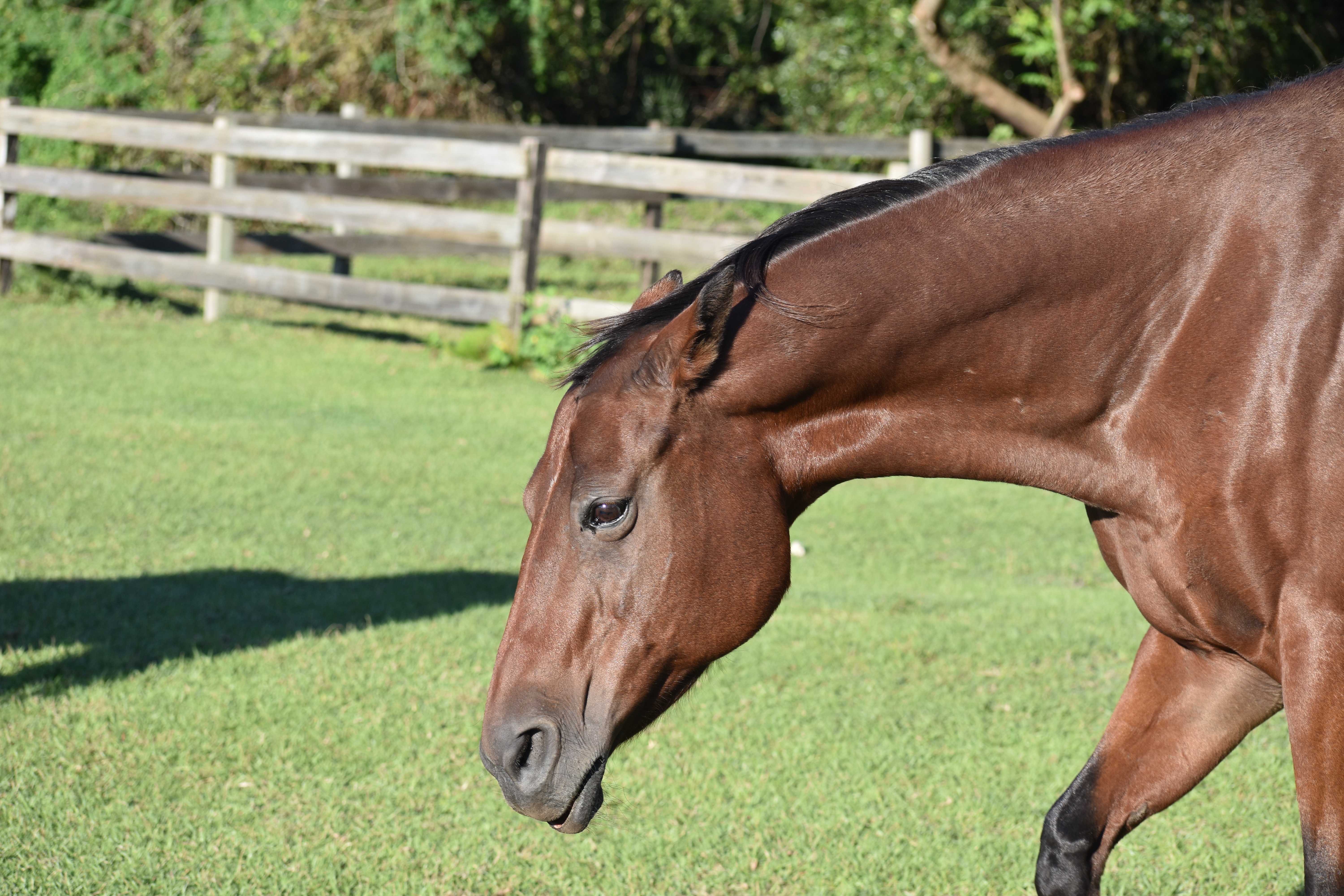
Look for tense muscles or a stiff neck. Rapid breathing or flared nostrils are common signs. Sweating, especially without heat, suggests stress. Dilated pupils indicate fear or worry. A horse may lower its head or droop ears. Loss of appetite or digestive issues can appear. Watch for trembling or shaking, especially in the legs.

Credit: www.amazon.com
Common Causes Of Anxiety
Understanding what makes a horse anxious helps in calming it down. Horses feel stress from many sources. Identifying these causes is the first step in helping a fretful horse.
Environmental Triggers
Sudden loud noises can scare horses. New surroundings may cause nervousness. Changes in weather or lighting affect their mood. Horses notice even small changes around them.
Health Issues
Pain or discomfort can make a horse restless. Digestive problems often cause anxiety. Illness or injury also leads to stress. Always check health first when a horse acts worried.
Social Factors
Horses are social animals that need company. Being alone too long can cause fear. Losing a herd mate may upset them. Social stress can show as fretfulness or restlessness.
Creating A Calm Environment
Creating a calm environment is key to helping a fretful horse feel safe and relaxed. Horses are sensitive animals. They respond to their surroundings and the energy around them. A peaceful setting lowers stress and builds trust. Small changes in their space can make a big difference in their behavior.
Stable Setup
Keep the stable clean and tidy. Remove clutter that might scare your horse. Use soft bedding for comfort. Make sure the stable has good airflow without strong drafts. Light should be gentle, not too bright or dark. A well-arranged stable helps your horse feel secure.
Noise Reduction
Horses startle easily from loud sounds. Reduce noise near the stable. Avoid machinery or loud talking close by. Use thick walls or barriers to block sounds. Play soft, calming music if possible. Quiet surroundings help your horse stay calm and focused.
Consistent Routine
Horses thrive on routine. Feed and groom at the same times daily. Keep exercise sessions regular and predictable. Consistency helps your horse understand what to expect. A steady routine reduces anxiety and builds confidence.
Training Techniques To Reduce Stress
Training plays a key role in calming a fretful horse. It helps the horse feel safe and builds trust. Simple, clear methods reduce fear and confusion. Calm horses respond better and stay relaxed during rides and care.
Stress can make horses nervous and hard to handle. Training techniques focus on making the horse comfortable with its surroundings. These methods teach the horse to stay calm in different situations. Consistent practice helps the horse feel more secure every day.
Desensitization Methods
Desensitization helps horses face new things without fear. Introduce new objects slowly and gently. Let the horse explore at its own pace. Repeat exposure builds confidence and reduces stress. Small steps prevent overwhelming the horse. This method teaches horses to stay calm around unfamiliar sights and sounds.
Positive Reinforcement
Positive reinforcement rewards good behavior with treats or praise. This encourages the horse to repeat calm actions. Use gentle words and soft pats. Timing is important; reward immediately after the desired behavior. This approach helps horses learn quickly and feel safe. Happy horses are less likely to be fretful.
Groundwork Exercises
Groundwork improves communication between horse and handler. Simple exercises like leading, stopping, and turning build trust. These tasks teach the horse to listen and relax. Regular groundwork makes handling easier and less stressful. It prepares the horse for riding calmly and safely.
Natural Remedies And Supplements
Natural remedies and supplements offer gentle ways to calm a fretful horse. These options support a horse’s well-being without harsh chemicals. They work by soothing nerves and promoting relaxation. Using natural methods can improve behavior and comfort over time.
Herbal Options
Herbs like chamomile and valerian root help reduce anxiety in horses. These plants have calming effects on the nervous system. Adding them to feed or water can ease restlessness. Passionflower and lavender also support relaxation. They often come in tinctures, powders, or pellets for easy use.
Herbal remedies require consistent use for best results. Always consult a veterinarian before starting any herbal treatment. Dosage and safety depend on the horse’s size and health.
Nutritional Support
Proper nutrition plays a key role in calming a fretful horse. Supplements rich in magnesium and vitamin B complex help soothe nerves. Omega-3 fatty acids also support brain health and reduce stress. These nutrients balance mood and improve overall calmness.
Adding natural supplements to daily feed ensures steady intake. Choose high-quality products made specifically for horses. Nutritional support works best alongside good care and a stable environment.

Credit: www.alamy.com
When To Seek Veterinary Help
Knowing when to seek veterinary help is vital for a fretful horse. Some signs go beyond normal nervousness. Quick action can prevent serious health problems. Always watch your horse’s behavior closely. Sudden changes or severe symptoms call for expert care.
Identifying Serious Issues
Look for signs like constant sweating, trembling, or refusal to eat. Heavy breathing and unusual posture can also signal trouble. If your horse shows these signs, do not wait. Immediate veterinary attention is necessary. These symptoms may indicate pain or illness.
Also, persistent pacing or aggressive behavior might mean stress or injury. A vet can find hidden problems that cause fretfulness. Early diagnosis helps your horse recover faster.
Professional Anxiety Treatments
Veterinarians offer treatments for anxiety in horses. They may suggest calming medications or supplements. Behavior therapy can also help reduce stress. Experts create plans based on your horse’s needs.
Sometimes, changes in environment or routine are advised. A vet’s guidance ensures safe and effective care. Proper treatment improves your horse’s quality of life.
Building Trust Through Bonding
Building trust with a fretful horse takes time and patience. It involves more than just feeding or grooming. The bond you create helps the horse feel safe and calm. This bond grows stronger through gentle and steady actions.
Consistent Interaction
Spend regular time with your horse every day. Simple routines like brushing or talking soothe nervous horses. Keep your actions slow and predictable. This helps the horse know what to expect. Trust builds when the horse sees you often and feels safe around you.
Body Language Awareness
Horses read body language better than words. Use calm and relaxed movements to show you mean no harm. Avoid sudden gestures or loud noises. Watch the horse’s eyes and ears for signs of fear or comfort. Match your posture to the horse’s mood to create a peaceful connection.
Handling Sudden Anxiety Episodes
Sudden anxiety episodes can happen to any horse. These moments can be scary for both the horse and the handler. Knowing how to react calmly can help ease the horse’s stress. Quick, gentle actions make a big difference in these times.
Calming Techniques
Speak softly to your horse. Use a gentle voice to soothe it. Slow, smooth movements help the horse feel safe. Avoid sudden gestures or loud noises. Offer a comforting touch on the neck or shoulder. Stand beside the horse, not in front, to avoid threat. Breathing deeply and staying calm helps the horse relax too.
Safety Measures
Always keep a safe distance if the horse is very upset. Watch the horse’s body language closely. Move away if it shows signs of panic. Use a halter and lead rope for control. Make sure your surroundings are free from sharp objects. Never turn your back to a scared horse. Have an escape plan ready in case of danger.
Credit: equusmagazine.com
Frequently Asked Questions
How Can I Calm A Fretful Horse Quickly?
Speak softly and move slowly around the horse. Gentle touch and quiet help reduce fear fast.
What Causes Horses To Become Fretful Or Anxious?
Loud noises, new environments, or pain often make horses nervous or restless.
Can Regular Exercise Reduce Horse Fretfulness?
Yes, daily exercise helps horses use energy and feel more relaxed.
Is A Consistent Routine Important For A Fretful Horse?
Absolutely. Horses feel safer with regular feeding, grooming, and riding times.
What Role Does Diet Play In Horse Anxiety?
Balanced feed and avoiding too much sugar can keep horses calm.
When Should I Call A Vet For A Fretful Horse?
If fretfulness lasts long or includes physical signs, a vet check is needed.
Conclusion
Helping a fretful horse takes patience and care. Stay calm and speak softly to soothe your horse. Offer gentle touches and give space when needed. Watch for signs of stress and respond quickly. Building trust takes time, so be consistent.
Simple actions can bring big changes in behavior. Keep learning about your horse’s needs every day. A calm horse is happier and easier to handle. Small steps lead to a strong bond. Caring for your horse well helps both of you enjoy time together.
As an Amazon Associate, I earn from qualifying purchases.