Bringing a new puppy into a home with a dominant dog can be tricky. You want both dogs to feel safe and comfortable, but the fear of conflict might hold you back.
What if your dominant dog doesn’t accept the puppy? How can you make their first meeting smooth and stress-free? You’ll discover simple, effective steps to introduce your puppy to your dominant dog. By following these tips, you’ll set the stage for a peaceful, happy relationship between them—and enjoy watching your dogs become best friends.
Keep reading to learn how to make this important introduction a success.
Prepare For The Introduction
Preparing for the introduction of a puppy to a dominant dog is crucial. Proper preparation helps both dogs feel safe and calm. It reduces stress and prevents conflicts. Taking these steps sets a positive tone for future interactions.
Assess The Dominant Dog’s Behavior
Watch your dominant dog closely. Note how it reacts to other dogs. Look for signs of aggression or fear. Understand its body language. Knowing this helps you plan the introduction safely.
Create A Neutral Meeting Space
Choose a place neither dog knows well. A neutral area reduces territorial behavior. Avoid your home or the dominant dog’s usual spots. This space helps both dogs feel equal and less defensive.
Gather Necessary Supplies
Prepare leashes and collars for both dogs. Have treats ready for positive reinforcement. Bring toys to distract or calm them. Keep water and cleanup materials nearby. Being ready ensures control and safety.
:strip_icc()/dominance-aggression-conflict-aggression-2804567-FINAL-5ba2897ac9e77c005094b3ae.png)
Credit: www.thesprucepets.com
First Meeting Strategies
Introducing a puppy to a dominant dog needs care and planning. The first meeting sets the tone for their relationship. It helps to keep things calm and safe. Watch how both dogs act. Small signs tell a lot. Use gentle steps to make this moment good for both dogs.
Keep Both Dogs On Leashes
Start with both dogs on leashes. This helps control their movements. It stops sudden rushes or fights. Use loose leashes to avoid tension. Tight leashes can make dogs nervous. Let them sniff and explore each other slowly. Always have a firm hold on the leashes.
Observe Body Language Closely
Watch their bodies and faces carefully. Look for signs of stress or aggression. Raised hackles, growling, or stiff posture show discomfort. Relaxed tails and soft eyes mean calm. Notice how the puppy reacts too. Step in if either dog shows fear or anger.
Use Positive Reinforcement
Give treats and praise for good behavior. Reward calm and friendly actions. This helps both dogs feel safe and happy. Avoid punishment as it can cause fear. Use gentle words and soft tones. Positive moments build trust between the puppy and dominant dog.
Manage Interactions Safely
Managing interactions between a new puppy and a dominant dog is key to a safe introduction. Careful steps help avoid stress and conflict. Set clear limits and watch both dogs closely. Stay calm and patient to build trust. Your role is to guide their meetings carefully.
Limit Initial Meeting Duration
Keep the first meetings short. Five to ten minutes is enough. Long encounters can overwhelm both dogs. Short sessions reduce tension. Let them rest and calm down between meetings. Gradually increase time as they get comfortable.
Avoid Forced Contact
Never push the dogs to meet. Let them approach on their own terms. Forcing contact can cause fear or aggression. Use leashes to control distance but keep it loose. Allow sniffing and gentle interaction naturally.
Intervene When Necessary
Watch for signs of stress or aggression. Growling, stiff body, or raised hackles need attention. Step in calmly to separate dogs if needed. Use a firm voice or a gentle tug on the leash. Protect both dogs to keep meetings safe.
Building A Peaceful Relationship
Building a peaceful relationship between a puppy and a dominant dog takes patience. It helps both dogs feel safe and respected. This process lowers stress and stops fights. You create a calm home where both dogs can live happily.
Follow simple steps to make sure each dog knows their place. This builds trust and good behavior over time. Careful introduction and clear rules make a strong bond possible.
Establish Clear Boundaries
Set rules about where each dog can go and what they can do. Use baby gates or leashes to control their space. Teach the puppy to respect the older dog’s personal area. The dominant dog needs its quiet time too. Clear boundaries stop confusion and help dogs feel secure.
Provide Separate Resources
Give each dog its own food bowl, bed, and toys. Keep these items apart to avoid competition. Feeding dogs separately reduces food guarding and stress. Personal spaces with favorite items make both dogs comfortable. Sharing resources too soon can cause fights.
Encourage Shared Activities
Plan calm activities both dogs enjoy, like walking or gentle play. Shared experiences build positive feelings between them. Watch closely and stop play if it gets too rough. Praise good behavior during these moments. Over time, they learn to enjoy each other’s company.
Monitor Progress And Adjust
Introducing a puppy to a dominant dog requires patience and careful observation. Monitoring their progress helps ensure a smooth relationship. Adjusting your approach based on their behavior prevents conflicts. It supports a safe and positive environment for both dogs.
Watch For Stress Signs
Stress signs show how dogs feel during introductions. Look for yawning, lip licking, or turning away. Growling, stiff body, or raised hackles signal discomfort. Early detection helps you act before tension rises. Calm dogs build trust and reduce chances of fights.
Adjust Introduction Pace
Each dog learns at a different speed. Slow down if either dog shows stress signs. Shorter meetings with breaks help them relax. Gradually increase time spent together as comfort grows. Patience lets the dominant dog accept the puppy better.
Seek Professional Help If Needed
Some dogs need extra guidance for peaceful introductions. Trainers or behaviorists offer expert advice tailored to your dogs. They teach techniques to manage dominance and build respect. Professional help improves safety and confidence for all involved.
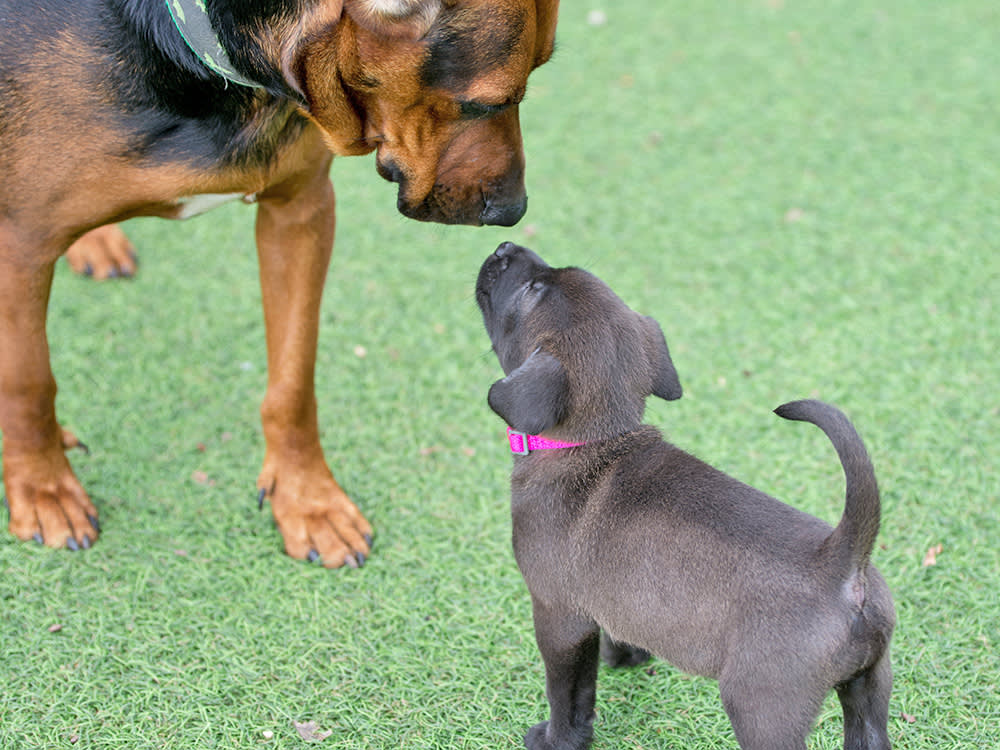
Credit: www.kinship.com

Credit: fxw.life
Frequently Asked Questions
How To Safely Introduce A Puppy To A Dominant Dog?
Start introductions in a calm place. Use leashes and watch their body language closely.
How Long Should The First Meeting Between Dogs Last?
Keep the first meeting short, around 5 to 10 minutes to avoid stress.
What Signs Show A Dominant Dog Accepts A Puppy?
Relaxed body, loose tail, and calm behavior show acceptance and comfort.
Should I Separate Dogs During Early Introductions?
Yes, separate them if they show aggression or too much excitement.
Can Socializing Help A Dominant Dog Accept A New Puppy?
Yes, socializing helps dogs learn to share space and reduces tension.
What Role Does Owner Behavior Play In Dog Introductions?
Calm and confident owners help dogs feel safe and behave well.
Conclusion
Introducing a puppy to a dominant dog takes time and care. Watch their body language closely to keep peace. Always allow slow, calm meetings in neutral spaces. Respect each dog’s feelings and give plenty of breaks. Patience helps build trust between your pets.
This careful approach makes a safer, happier home. Keep learning about dog behavior for better results. Your efforts will help both dogs feel secure and loved.
As an Amazon Associate, I earn from qualifying purchases.