Are you tired of your cat constantly jumping over the fence and disappearing for hours? It’s frustrating when you worry about their safety or lose track of where they roam.
You want to keep your furry friend close without making them feel trapped or unhappy. The good news is, there are simple and effective ways to stop your cat from jumping the fence—methods that work with their natural instincts rather than against them.
Keep reading to discover practical tips you can start using today to protect your cat and enjoy peace of mind.
Why Cats Jump Fences
Cats often jump fences for many reasons. Understanding why cats jump helps you keep them safe. Cats are natural climbers and explorers. Their behavior is driven by instincts and needs. Knowing these reasons helps you manage your cat better.
Instinct And Curiosity
Cats have a strong hunting instinct. They like to explore new places. Fences can look like a new world to them. Cats jump fences to satisfy their curiosity. They want to see what is beyond their yard.
Territory And Mating
Cats mark and protect their territory. Sometimes they jump fences to expand it. Male cats often roam to find mates. Female cats may also roam during heat. Fences do not stop their natural drive to find partners.
Escape From Threats
Cats feel scared by loud noises or strange animals. They jump fences to escape danger. This helps them find a safer place quickly. A cat may also leave if it feels trapped. Fences may seem like a barrier but not to a scared cat.

Credit: protectapet.com
Fence Deterrents That Work
Fence deterrents help stop cats from jumping fences. They keep cats safe and protect your garden. Effective deterrents create a barrier cats avoid. These tools work best when combined for stronger results.
Fence Toppers And Extensions
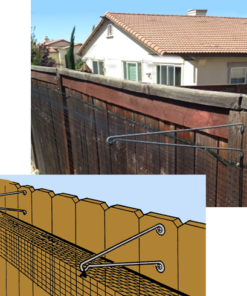
Fence toppers make fences harder to climb. Plastic or metal strips angled outward confuse cats. Extensions add height to fences, making jumps tough. These toppers block cats’ grip and balance. Cats see a fence but cannot cross it.
Using Cat Repellents
Cat repellents use smells or textures cats dislike. Sprays with citrus or herbal scents keep cats away. Granules spread near fences create an unpleasant area. Repellents must be safe for pets and plants. Refresh repellents often for lasting effect.
Motion-activated Sprinklers
Motion-activated sprinklers surprise cats with a water spray. They activate only when the cat moves near. Cats dislike sudden water and avoid the area. These sprinklers protect fences without harming animals. Place sprinklers where cats usually jump.
Home Environment Adjustments
Adjusting your home environment helps keep your cat safe and happy. Cats jump fences for fun or to explore. Changing their surroundings can reduce this urge. Focus on making your space interesting and secure for your cat.
Creating Indoor Enrichment
Keep your cat busy inside with toys and climbing spaces. Use scratching posts, tunnels, and cozy spots. Rotate toys to keep things fresh and exciting. Cats love puzzles that make them think. This reduces their need to escape outdoors.
Safe Outdoor Spaces
Build a secure area outside for your cat to enjoy. Use cat-proof fencing or enclosures to keep them safe. Outdoor spaces with grass, plants, and shade make cats happy. Let your cat explore without the risk of jumping fences. This limits their desire to roam far.
Regular Play And Attention
Spend time playing with your cat every day. Use interactive toys like feathers or balls to engage them. This helps burn energy and lowers stress. A tired cat is less likely to jump fences. Give your cat plenty of love and attention to feel secure.
Training And Behavior Techniques
Training and behavior techniques can help stop your cat from jumping over fences. They teach your cat what is allowed and what is not. These methods use clear signals and rewards to change your cat’s habits. Consistency and patience are key to success.
Positive Reinforcement
Positive reinforcement means giving your cat a reward for good behavior. This could be treats, petting, or kind words. Reward your cat when it stays away from the fence. This helps your cat learn that staying inside is a good thing. Avoid punishment, as it can cause fear and stress.
Discouraging Fence Climbing
Discouraging fence climbing stops your cat before it jumps. Use safe deterrents like double-sided tape or aluminum foil on the fence. Cats dislike the texture and will avoid climbing. You can also place a barrier on top of the fence. This makes it hard for your cat to get a grip.
Using Clicker Training
Clicker training uses a small device to mark good behavior. Press the clicker when your cat stays away from the fence. Follow the click with a treat or praise. Your cat will link the click to a reward. This method is clear and easy for cats to understand.
Health And Safety Considerations
Keeping a cat safe while stopping it from jumping a fence requires attention to health and safety. Cats that jump fences face many risks. These risks include injuries, fights with other animals, and exposure to harmful substances. Understanding health and safety helps protect your cat from these dangers. This section covers important points to keep your cat healthy and safe.
Spaying And Neutering Benefits
Spaying or neutering your cat reduces its desire to roam. Cats that roam less are less likely to jump fences. This lowers the chance of injuries and fights. Spayed or neutered cats also live longer. They avoid many health problems related to mating and pregnancy. This simple step improves your cat’s safety and well-being.
Checking For Injuries
Regularly check your cat for injuries. Look for cuts, scratches, or limping after fence attempts. Early detection helps prevent infections. Injuries can get worse if untreated. Take your cat to a vet if you see any wounds. Keeping your cat healthy reduces the need for risky fence jumping.
Preventing Exposure To Hazards
Fences may hide dangers like sharp objects or toxic plants. Check the area around the fence often. Remove any harmful items your cat could touch or eat. Avoid chemicals like pesticides near the fence. These can poison your cat. Creating a safe space near the fence lowers health risks and keeps your cat safe.

Credit: www.floppycats.com
When To Seek Professional Help
Sometimes, stopping a cat from jumping a fence needs more than just home fixes. Cats have strong instincts and habits that can be hard to change. Knowing when to get expert help can save time and keep your cat safe. Professionals can offer advice and solutions tailored to your cat’s behavior and health.
Behavioral Specialists
Behavioral specialists study animal actions closely. They can find out why your cat jumps fences. Maybe your cat feels bored, stressed, or curious. Specialists suggest ways to change these habits safely. They teach owners how to manage and reduce fence jumping. Their advice can help keep your cat happy at home.
Veterinary Advice
Veterinarians check your cat’s health. Sometimes, health problems cause restless or unusual behavior. Pain or discomfort might make your cat try to escape. A vet can spot these issues early. They also recommend treatments or changes in diet. Healthy cats are less likely to jump fences.
Community Resources
Local animal shelters and rescue groups offer support. They might run workshops or provide advice on cat behavior. Some communities have cat containment programs. These programs help keep cats safe in yards. Community help connects you with others facing the same challenge. Sharing tips and experiences can be very useful.
Credit: catfencein.com
Frequently Asked Questions
How Can I Stop My Cat From Jumping Over The Fence?
Create a safe outdoor space with barriers that cats cannot climb or jump over.
What Fence Height Prevents Cats From Escaping?
A fence at least 6 feet tall is usually enough to stop most cats.
Are There Safe Deterrents To Keep Cats Off Fences?
Yes, using cat-safe deterrents like motion-activated sprinklers can discourage fence jumping.
Can Plants Help Prevent Cats From Climbing Fences?
Certain plants, like prickly bushes, can make fences less appealing for cats.
Is It Better To Train Or Block My Cat From Jumping Fences?
Blocking is more effective; training alone rarely stops cats from jumping fences.
What Indoor Activities Reduce My Cat’s Desire To Escape?
Interactive toys and playtime keep cats busy and less likely to try escaping.
Conclusion
Keeping a cat from jumping a fence takes patience and care. Try different methods to see what works best. Use safe barriers and distractions to keep your cat close. Remember, each cat is unique and learns at its own pace.
Watch your cat often and adjust your approach if needed. With time and effort, you can protect your cat and keep it happy. A calm, secure environment helps your cat feel safe and loved. Small steps lead to big results in stopping fence jumping.
As an Amazon Associate, I earn from qualifying purchases.