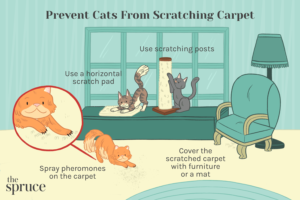
If you love your cat but dread the damage they cause to your leather furniture, you’re not alone. Scratches on leather can be frustrating and expensive to fix.
But what if you could protect your furniture without hurting your furry friend or changing your home’s style? You’ll discover simple and effective ways to keep your cat from scratching your leather furniture. By the end, you’ll feel confident that your couch and chair can stay beautiful—while your cat stays happy.
Keep reading to learn how to make your home a win-win for both you and your pet.

Credit: happyandpolly.com
Why Cats Scratch Leather
Cats scratching leather furniture is a common problem for many pet owners. Understanding why cats scratch helps protect your furniture better. Cats do not scratch just to damage things. They have natural reasons for this behavior. Recognizing these reasons can guide you to find the right solution.
Instinctive Behavior
Scratching is a natural action for cats. It helps them stretch their muscles and keep claws sharp. This behavior comes from their wild ancestors. Even indoor cats keep this habit. Leather feels smooth but still invites scratching because it offers resistance.
Marking Territory
Cats have scent glands in their paws. When they scratch, they leave a smell behind. This marks their territory and sends a message to other animals. Leather furniture often becomes a target because it is prominent and easily scratched.
Claw Maintenance
Scratching helps cats remove old claw layers. This keeps their claws healthy and sharp. Leather provides a good surface to peel off these layers. Without proper scratching, cats may feel uncomfortable or stressed.
Signs Your Cat Is Targeting Furniture
Cats use scratching to mark their space and keep their claws sharp. They often choose furniture as their scratching spot. Noticing early signs can save your leather furniture from damage. Watch your cat closely for clues.
Visible Scratch Marks
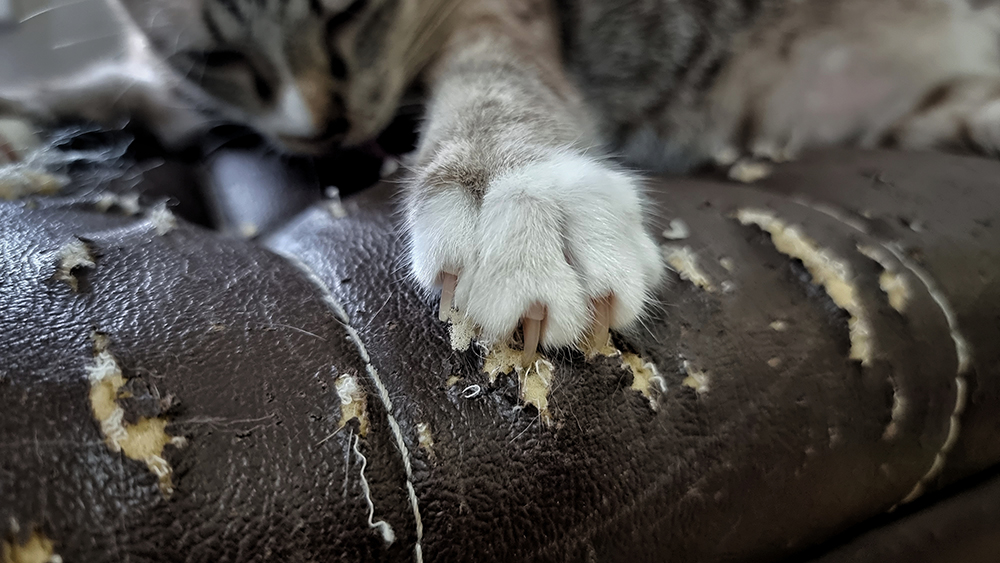
Look for small cuts or grooves on your leather furniture. These marks show where your cat has scratched. The leather might peel or look rough in those areas. Scratch marks usually appear on armrests or sides.
Restless Behavior Near Furniture
Your cat may act nervous or excited near the furniture. It might circle, paw, or sniff the area a lot. Some cats scratch the air before touching the furniture. This behavior hints at their plan to scratch.
Clawing Sounds
Scratching creates a distinct, repetitive noise. You may hear claws dragging softly on leather. This sound often happens when your cat feels playful or stressed. Pay attention to these sounds, especially at quiet times.
Effective Deterrents For Leather
Leather furniture looks elegant but cats may scratch it often. Scratching damages leather and costs money to fix. Cats scratch to mark territory and sharpen claws. Stopping this behavior protects your furniture and keeps cats happy. Using effective deterrents helps keep cats away from leather surfaces.
Using Protective Covers
Protective covers act as a shield over leather furniture. They prevent claws from touching the leather directly. Covers come in many materials like plastic or fabric. Clear plastic covers keep the leather visible and safe. Fabric covers can be soft and easy to clean. Covers are simple to put on and remove. They reduce damage while your cat learns to avoid scratching.
Applying Cat-safe Repellents
Cat-safe repellents create an unpleasant smell or taste for cats. These sprays discourage cats from scratching leather. Use sprays made specifically for cats to avoid harm. Spray lightly on leather surfaces and edges. Repeat application after cleaning or as needed. Cats learn to avoid areas with these scents. Repellents do not hurt cats but protect your furniture.
Double-sided Tape Tricks
Double-sided tape feels sticky and uncomfortable under cat paws. Place strips on leather areas cats like to scratch. Cats dislike the sticky feeling and avoid these spots. Tape is inexpensive and easy to apply. Remove tape once cats lose interest in scratching. This method trains cats to stay away from leather surfaces. It is a gentle and effective deterrent.
Encouraging Proper Scratching Habits
Encouraging proper scratching habits helps protect your leather furniture. Cats need to scratch to keep their claws healthy. Teaching them where to scratch saves your sofa and chair from damage. It takes patience and the right tools to guide your cat.
Providing Scratching Posts
Offer your cat sturdy scratching posts. Cats prefer vertical surfaces for scratching. Choose posts tall enough for full-body stretch. This satisfies their natural scratching instinct. Replace worn-out posts to keep your cat interested. Use treats or catnip to attract them to posts.
Choosing The Right Materials
Select materials cats like to scratch. Sisal rope is durable and popular. Cardboard scratchers work well for some cats. Avoid smooth or slippery materials. Cats need texture to dig their claws in. Try different materials to find your cat’s favorite.
Placement Tips
Put scratching posts near your cat’s favorite spots. Place them close to sleeping areas or near windows. Cats like to stretch after naps. Avoid putting posts too far from furniture. This helps redirect scratching from leather to posts. Change locations if your cat ignores the posts.
Training Techniques To Redirect Scratching
Training your cat to stop scratching leather furniture takes patience and clear methods. Cats scratch to mark territory and keep claws sharp. Redirecting this behavior helps protect your furniture and keeps your cat happy. Use training techniques to guide your cat to scratch appropriate items instead.
Positive Reinforcement
Reward your cat when it uses a scratching post. Treats, praise, or petting works well. Cats learn faster with positive rewards. Show excitement when your cat scratches the right spot. This encourages good behavior and builds trust.
Gentle Deterrence Methods
Use safe ways to discourage scratching on furniture. Cover leather with plastic sheets or double-sided tape. Cats dislike sticky surfaces and avoid them. Use a spray with citrus scent, as cats dislike this smell. Never punish your cat harshly. It can cause fear and stress.
Consistency In Training
Be consistent every day with your training. Always reward good scratching and gently stop bad scratching. Use the same commands and actions each time. Consistency helps your cat understand what is allowed. Patience is key; changes take time.

Credit: www.hereforclimate.org
Maintaining Your Cat’s Claws
Maintaining your cat’s claws is key to protecting your leather furniture. Cats naturally scratch to keep their claws sharp and healthy. Without proper care, their claws can cause damage. Regular attention to your cat’s nails reduces scratching problems.
Regular Trimming
Trim your cat’s claws every two to three weeks. Use a special cat nail clipper for safety. Cut only the sharp tips to avoid pain. Regular trimming keeps claws short and less likely to damage furniture. It also helps your cat stay comfortable.
Using Nail Caps
Nail caps are small covers you place on your cat’s claws. They protect furniture by preventing sharp scratching. Nail caps are soft and safe for your cat. They usually last for weeks before needing replacement. Use nail caps as a gentle way to protect leather.
When To Seek Professional Help
Visit a vet or groomer if trimming is difficult. Some cats resist nail clipping or have health issues. A professional can trim safely and show you how to do it. Seek help if your cat’s nails look infected or painful. Proper care keeps your cat happy and your furniture safe.
Additional Comfort Measures
Additional comfort measures help keep cats happy and reduce scratching. Cats scratch to stretch, mark territory, and relieve stress. Giving them comfort and attention can protect leather furniture.
Providing Ample Playtime
Playtime helps your cat use energy in a good way. Toys like feather wands or balls keep cats busy. Short, frequent play sessions work best. A tired cat scratches less and feels happier.
Reducing Stress Factors
Stress makes cats scratch more. Loud noises, new pets, or changes upset them. Keep a calm, quiet home for your cat. Soft music or a cozy spot can calm stress. Watch for signs like hiding or meowing.
Creating Cozy Alternatives
Give your cat soft, comfy places to rest. Cat beds or blankets make great spots. Scratching posts with soft materials attract cats. Place these near the leather furniture. Cats choose cozy spots and leave furniture alone.
Credit: www.catster.com
Frequently Asked Questions
How Can I Stop My Cat From Scratching Leather Furniture?
Provide scratching posts and use deterrent sprays on leather surfaces to protect them.
Why Do Cats Scratch Leather Furniture?
Cats scratch to mark territory, stretch muscles, and keep their claws sharp.
What Safe Sprays Keep Cats Off Leather Sofas?
Use pet-safe citrus or bitter apple sprays to discourage scratching without harm.
Can Nail Caps Prevent Damage To Leather Furniture?
Yes, soft nail caps cover claws and reduce scratching damage effectively.
How To Train A Cat To Use Scratching Posts?
Reward your cat with treats and praise when it uses the scratching post.
Does Trimming A Cat’s Nails Help Protect Leather Furniture?
Regular nail trimming reduces sharpness and limits damage to leather surfaces.
Conclusion
Protecting leather furniture from cat scratches takes patience and care. Use scratching posts and cover furniture with protective sheets. Trim your cat’s nails regularly to reduce damage. Offer toys to keep your cat busy and happy. Reward good behavior with treats and praise.
These simple steps help keep both your cat and furniture safe. Enjoy a clean, scratch-free home with a happy cat. Small changes make a big difference over time. Keep trying and stay consistent for best results.
As an Amazon Associate, I earn from qualifying purchases.