Is your cat constantly jumping over the fence, leaving you worried about their safety? You’re not alone.
Many cat owners struggle with keeping their curious pets close to home. But what if you could stop your cat from escaping without harsh measures or expensive barriers? You’ll discover simple, effective ways to keep your cat safely inside your yard—methods that work with your cat’s natural behavior, not against it.
Keep reading, because your peace of mind and your cat’s happiness are just a few steps away.

Credit: www.floppycats.com
Reasons Cats Jump Fences
Cats often jump fences for several natural reasons. Understanding these reasons helps you manage their behavior better.
It is important to know what drives cats to leap over fences. This knowledge guides you to keep them safe and close.
Exploring Natural Instincts
Cats have strong natural instincts. They like to explore new places and find safe spots.
Jumping fences allows cats to satisfy these instincts. It gives them a chance to roam freely and stay alert.
Seeking Territory Or Mates
Cats mark and protect their territory. Jumping fences helps them check nearby areas for threats or mates.
Male cats especially jump fences to find female cats in heat. This behavior is part of their natural drive to reproduce.
Chasing Prey Or Curiosity
Cats are hunters by nature. They jump fences to chase birds, insects, or small animals.
Curiosity also plays a big role. Cats want to see what is beyond their home and may jump fences to explore.
Fence Deterrents That Work
Fence deterrents help stop cats from jumping fences. They create a boundary cats do not want to cross. These methods keep cats safe and your yard secure. Using the right deterrents can reduce fence jumping quickly.
Installing Cat-proof Fencing
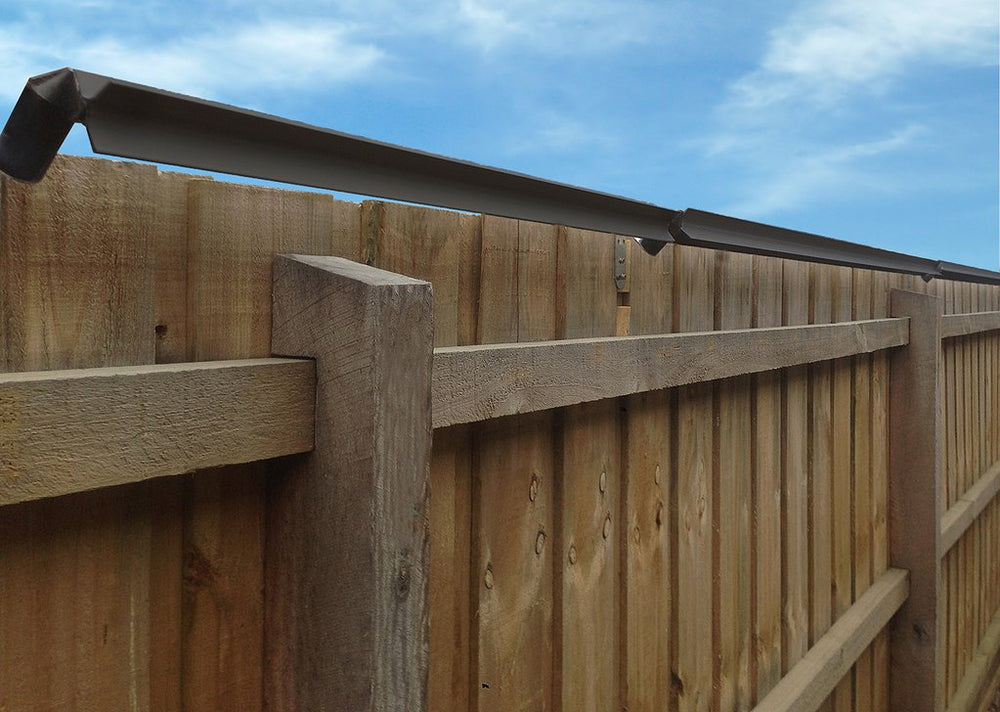
Cat-proof fencing blocks cats from climbing over. It uses special designs like curved tops or spikes. These fences are safe but uncomfortable for cats to climb. Installing this fence forms a strong barrier around your yard. It works well for homes with active outdoor cats.
Using Motion-activated Sprays
Motion-activated sprays startle cats when they approach the fence. The spray releases water without harming the cat. Cats dislike sudden sprays and avoid the area. These devices are easy to install and eco-friendly. They train cats to stay away from the fence line.
Adding Barrier Extensions
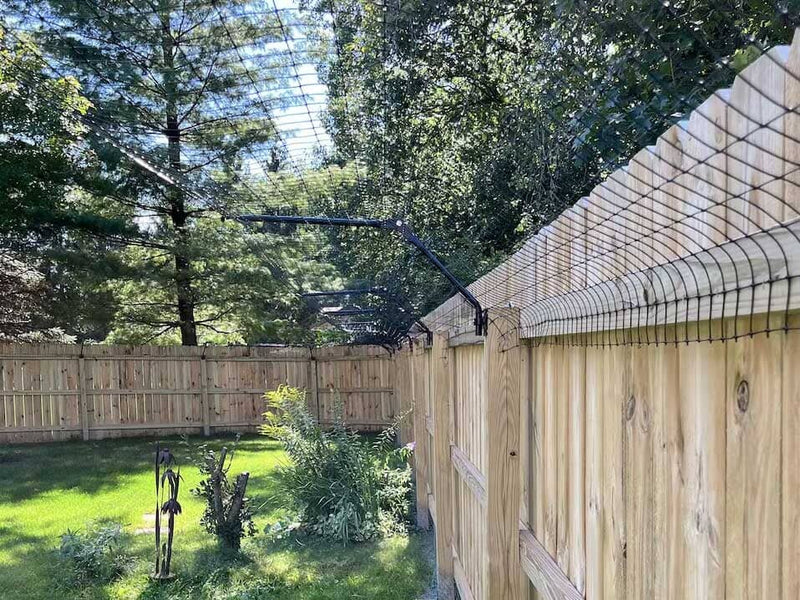
Barrier extensions add extra height or obstacles to the fence. Options include mesh, netting, or angled panels. These extensions make jumping difficult or impossible for cats. They fit on top of existing fences without major changes. Barrier extensions improve fence security while keeping pets safe.
Environmental Adjustments
Changing your cat’s surroundings helps stop fence jumping. Cats jump fences to explore, hunt, or escape boredom. Adjusting their environment keeps them safe and happy. Small changes can reduce their urge to jump.
Providing Outdoor Enrichment
Offer toys and climbing spots outside. Cats love to climb and explore. Add shelves, ramps, or trees near the fence. Hide treats or toys to keep them busy. This makes the yard more fun and less tempting to jump out.
Creating Safe Indoor Alternatives
Set up a special indoor play area. Use scratching posts, tunnels, and cozy beds. Play with your cat often to burn energy. Indoor fun lowers their need to escape outside. Safe spaces inside feel just as exciting.
Limiting Outdoor Access Times
Let your cat outside only at certain times. Choose calm parts of the day to reduce stress. Supervise your cat during outdoor visits. Short, timed outings help control their curiosity. This routine makes fence jumping less likely.
Credit: oscillotamerica.com
Training And Behavior Tips
Training your cat to stay off the fence takes patience and care. Cats learn best through gentle and clear signals. Changing their behavior needs consistent effort. Use simple methods to teach your cat safe boundaries. Make training a positive experience for both of you.
Positive Reinforcement Techniques
Reward your cat when it stays away from the fence. Use treats or soft praise to show approval. Play with your cat in safe areas to keep it happy. Praise helps your cat understand what you want. This builds trust and encourages good behavior.
Discouraging Unwanted Behavior
Stop your cat gently if it tries to jump the fence. Use a firm voice without yelling. Avoid punishment that scares or hurts your cat. Redirect its attention to toys or a scratching post. Consistent messages help your cat learn limits.
Using Noise Or Visual Deterrents
Try clapping hands or shaking a can with coins to startle your cat. Use safe visual items like aluminum foil or garden spinners near the fence. These tools make the fence less interesting. Change deterrents often to keep your cat curious but cautious.
Health And Safety Considerations
Health and safety play a big role in keeping a cat from jumping fences. Understanding your cat’s well-being helps prevent risky behavior. A healthy cat feels safe and less likely to escape. Here are key health and safety points to consider.
Checking For Underlying Health Issues
Some cats jump fences because of pain or discomfort. Check for any signs of illness or injury. Limping, hiding, or changes in appetite need attention. Visit the vet to rule out health problems. Healthy cats tend to stay close to home.
Ensuring Vaccinations And Microchipping
Vaccinations protect cats from dangerous diseases outside. Keep vaccinations up to date for safety. Microchipping helps find your cat if it gets lost. A microchip is a small, safe device under the skin. It increases the chances of a safe return.
Monitoring For Stress And Anxiety
Stress often causes cats to jump fences. Loud noises or new pets can trigger anxiety. Watch for signs like excessive grooming or hiding. Create a calm, secure space at home. Reducing stress lowers the urge to escape.
Credit: www.purrfectfence.com
Frequently Asked Questions
How Can I Stop My Cat From Jumping The Fence?
Use tall, smooth fences or add fence toppers to block your cat’s jump.
What Type Of Fence Is Best To Keep Cats In?
A solid fence at least 6 feet tall with no footholds works best.
Can Training Help Prevent Cats From Jumping Fences?
Yes, gentle training and rewards can teach cats to stay inside.
Are There Safe Outdoor Enclosures For Cats?
Yes, cat patios or “catios” keep cats outside but safely enclosed.
Does Providing Toys Reduce Fence Jumping In Cats?
Toys and playtime help keep cats busy and less likely to escape.
Is Using Scents Effective To Keep Cats Off Fences?
Certain smells like citrus or vinegar can discourage cats from jumping fences.
Conclusion
Keeping your cat from jumping the fence takes patience and care. Try using barriers or distractions to keep your cat safe. Provide toys and playtime to reduce boredom. Watch your cat often to understand its habits. Small changes can make a big difference.
Protect your cat while letting it enjoy the outdoors. Stay calm and consistent with your efforts. Your cat will learn to stay safe near the fence.
As an Amazon Associate, I earn from qualifying purchases.