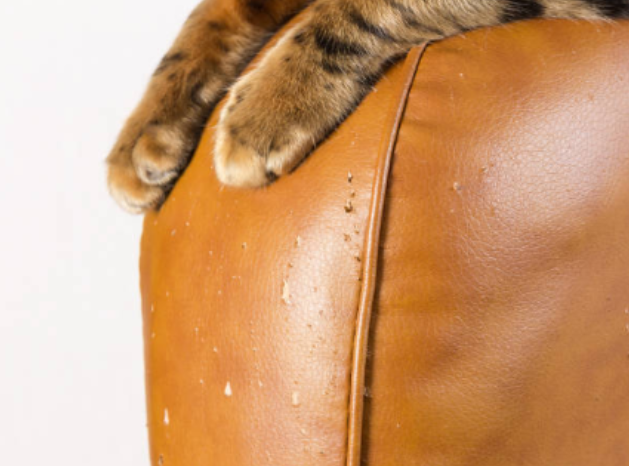
Is your beautiful leather couch starting to show scratch marks? If you have a cat, you know how tricky it can be to protect your furniture while keeping your furry friend happy.
You don’t want to stop your cat from scratching altogether—that’s a natural behavior—but you do want to save your couch from damage. In this post, you’ll discover simple, effective ways to keep your cat from scratching your leather couch. By the end, you’ll have practical tips that work without stressing you or your pet.
Keep reading to protect your investment and keep your cat content.

Credit: vixencomposites.com
Why Cats Scratch
Cats scratch for many reasons. It is a natural act for them. Understanding why cats scratch helps protect your leather couch. It also keeps your cat happy and healthy.
Instinctive Behavior
Scratching is part of a cat’s nature. Cats use their claws to explore and play. This behavior helps them stay active and alert. Scratching also lets cats stretch their muscles.
Marking Territory
Cats have scent glands in their paws. When they scratch, they leave their scent behind. This marks their territory and warns other animals. It gives cats a sense of safety and control.
Nail Maintenance
Scratching helps cats keep their nails sharp and clean. It removes old nail layers and prevents overgrowth. Healthy nails are important for climbing and hunting.
Credit: paycore.com
Why Leather Couches Are Targeted
Cats often choose leather couches to scratch. Understanding why helps protect your furniture better. Their natural behavior drives them to find certain surfaces. Leather offers unique qualities that attract cats.
Texture Appeal
Leather’s smooth yet firm texture feels good on cat claws. It offers resistance, which satisfies their scratching urge. Cats use scratching to keep claws sharp and strong. Leather provides just the right feel for this purpose.
Scent Attraction
Cats leave their scent by scratching furniture. Leather easily absorbs and holds their smell. This scent marks their territory and comforts them. The smell encourages cats to return and scratch again.
Accessibility
Leather couches often sit in open, reachable spaces. Cats prefer spots they can easily access. These couches are usually at cat height, perfect for scratching. Easy access makes leather couches frequent targets for cats.
Preventive Measures
Preventive measures help protect your leather couch from cat scratches. They stop damage before it starts. Using the right tools and techniques keeps your furniture safe and your cat happy. Simple steps can make a big difference in saving your couch.
Use Of Scratch Protectors
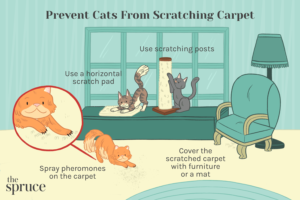
Scratch protectors are clear plastic films or pads. Place them on the couch areas cats like to scratch. They feel smooth and stop claws from digging into leather. Cats learn to avoid these spots over time. Protectors are easy to install and remove without damage.
Applying Deterrent Sprays
Deterrent sprays have smells cats dislike. Spray lightly on the leather surface. The scent discourages cats from scratching the area. Choose pet-safe sprays to keep your cat healthy. Reapply regularly to maintain the scent’s strength. Avoid spraying directly on the cat.
Covering The Couch
Covering the couch adds a physical barrier. Use blankets or slipcovers made of thick fabric. These covers protect the leather from sharp claws. Choose materials that are easy to clean and replace. Covers can be removed when guests arrive. They reduce direct contact between claws and leather.
Redirecting Scratching Habits
Redirecting a cat’s scratching habits helps protect your leather couch. Cats scratch to mark territory and keep their claws sharp. Giving them a better option stops damage and keeps them happy.
Providing Scratching Posts
Offer your cat sturdy scratching posts. Posts should be tall enough for full stretch. They help cats satisfy their scratching need safely. Change the posts often to keep interest high.
Choosing The Right Materials
Pick materials cats like to scratch. Sisal rope and cardboard work well. Avoid smooth or slippery surfaces. The texture matters to make posts attractive to cats.
Strategic Placement
Place scratching posts near the couch. Cats like to scratch where they spend time. Also, put posts in areas where cats rest or play. This encourages use and saves your furniture.
Training Tips
Training your cat to stop scratching the leather couch takes patience and care. Cats need clear signals about what is allowed. Training helps your cat learn good habits and avoid damage. Use gentle, consistent methods to teach your cat. This section explains simple training tips to protect your leather furniture.
Positive Reinforcement
Reward your cat with treats or praise when it scratches the right object. Use a scratching post nearby as the correct place. Cats respond well to rewards. This helps them connect good behavior with positive outcomes. Avoid punishment as it can create fear and confusion. Encourage your cat gently.
Consistent Commands
Use the same words or sounds every time you want to stop scratching. For example, say “No” firmly but calmly. Consistency helps cats understand the rules faster. Repeat the commands whenever your cat scratches the couch. Over time, your cat will learn to stop. Be patient and steady with your words.
Using Toys For Distraction
Offer toys to redirect your cat’s energy away from the couch. Interactive toys keep your cat busy and happy. Moving toys or balls attract your cat’s attention. Playtime helps reduce boredom, a common cause of scratching. Keep toys near the couch to distract your cat easily. This simple step protects your leather.

Credit: www.hereforclimate.org
Maintaining Cat’s Nails
Maintaining your cat’s nails is key to protecting your leather couch. Sharp nails can easily scratch and damage leather surfaces. Keeping nails short and well cared for helps reduce this risk. It also keeps your cat comfortable and healthy. Regular care avoids painful nail problems and stops destructive behavior.
Regular Trimming
Trim your cat’s nails every two to three weeks. Use special cat nail clippers for safety. Hold the paw gently and press the pad to extend the nails. Cut only the sharp tip. Avoid the pink part called the quick. It contains nerves and blood vessels. Trimming nails regularly keeps them short and less damaging.
Using Nail Caps
Nail caps are small plastic covers for your cat’s claws. They protect furniture without hurting your cat. Apply them carefully with pet-safe glue. Caps stay on for weeks and fall off naturally. They are a good option if trimming is hard. Nail caps stop scratching but allow normal claw use.
When To Seek Professional Help
Some cats resist nail care or have nail problems. Look for signs like bleeding, swelling, or limping. A vet or groomer can trim nails safely. They also treat infections or nail injuries. Professional help ensures your cat’s paws stay healthy and your couch stays safe.
Additional Tips
Stopping your cat from scratching the leather couch needs more than just covers or sprays. Small changes in your home and habits can help a lot. These extra tips create a better space for your cat and lower the urge to scratch your furniture.
Try these ideas to keep your couch safe and your cat happy.
Creating A Cat-friendly Environment
Give your cat places to scratch that are not your couch. Scratching posts and pads work well. Place them near the couch or in favorite spots. Use catnip or toys to attract your cat to these posts. This helps your cat feel comfortable and less interested in your leather.
Ensuring Sufficient Playtime
Play helps your cat burn energy and reduce boredom. Use toys like feathers, balls, or lasers. Short play sessions several times a day work best. A tired cat scratches less. Make playtime fun and part of your daily routine.
Managing Stress And Anxiety
Stress can make cats scratch more. Loud noises, new people, or changes upset cats. Keep your home calm and quiet. Provide hiding spots and cozy beds. Use calming sprays or diffusers designed for cats. A relaxed cat is less likely to damage your furniture.
Frequently Asked Questions
How Can I Stop My Cat From Scratching The Leather Couch?
Provide a scratching post nearby and use deterrents like double-sided tape on the couch.
Why Do Cats Scratch Leather Furniture Often?
Cats scratch to mark territory, sharpen claws, and stretch muscles.
What Safe Sprays Keep Cats Off Leather Couches?
Use cat-safe citrus or bitter apple sprays to deter scratching.
Can Trimming Cat’s Nails Protect My Leather Couch?
Yes, regular nail trims reduce damage and lessen scratching impact.
Does Covering The Couch Help Prevent Cat Scratches?
Covering with a slipcover or blanket can protect leather from scratches.
How To Train A Cat To Avoid Leather Furniture?
Reward your cat for scratching posts and gently redirect from the couch.
Conclusion
Protecting your leather couch from cat scratches takes patience and care. Offer your cat good scratching posts nearby. Use covers or sprays designed to keep cats away. Trim your cat’s nails regularly to reduce damage. Reward your cat for using its scratching areas.
These small steps help keep your furniture safe. Enjoy a happy home with both your cat and couch. Simple habits make a big difference over time. Keep trying, and your couch will stay in great shape.
As an Amazon Associate, I earn from qualifying purchases.