Do you want your cat to enjoy the fresh air and sunshine without worrying about them wandering off or getting into trouble? Keeping your cat safely in your yard can be a challenge, but it’s possible with the right approach.
You’ll discover simple and effective ways to create a safe outdoor space for your furry friend. Imagine watching your cat explore freely while you have peace of mind knowing they’re protected. Keep reading to learn how you can make your yard a perfect playground for your cat—without the stress.
Choose A Secure Yard
Choosing a secure yard is key to keeping your cat safe outdoors. A well-protected yard stops your cat from running away. It also shields your cat from dangers outside. Creating a safe space lets your cat enjoy fresh air without risk. Focus on strong fencing, safe gates, and removing harmful plants.
Fencing Options For Cats
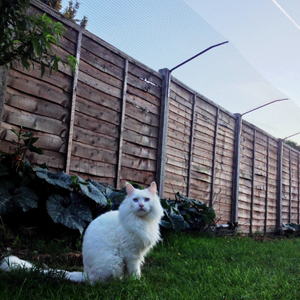
Use tall fences at least six feet high. Cats can jump high, so height matters. Add a cat-proof barrier on top, like a mesh or angled extension. Solid fences work best to block escape routes. Avoid fences with gaps or holes your cat can slip through. Keep the fence in good repair to prevent weak spots.
Safe Entry And Exit Points
Gates are the main exit spots for cats. Secure gates with locks or latches your cat cannot open. Check gates regularly for gaps underneath or around edges. Use weather stripping or seals to close small holes. Avoid leaving gates open, even for a short time. A locked gate stops your cat from escaping and keeps other animals out.
Avoiding Toxic Plants
Many common plants are toxic to cats. Lilies, azaleas, and tulips can harm your pet. Remove poisonous plants from your yard. Replace them with safe options like cat grass or catnip. Keep soil free of fertilizers and pesticides. Read labels carefully to avoid chemicals dangerous to cats.

Credit: www.instructables.com
Create A Cat-friendly Environment
Creating a cat-friendly environment in your yard helps keep your cat safe and happy. Cats enjoy outdoor time when the space feels comfortable and interesting. This encourages them to stay inside the yard rather than wander off. Simple changes can make your yard a favorite spot for your cat.
Shaded Spots And Shelter
Cats need shade to stay cool on sunny days. Place a small shelter or a covered area in the yard. Use a cat house or a shaded bench. These spots offer protection from rain and heat. Your cat will feel safe and relaxed in these cozy areas.
Interactive Toys And Climbing Structures
Keep your cat busy with toys and climbing spots. Hanging toys, balls, and scratch posts work well. Add climbing trees or shelves for jumping fun. These items help your cat exercise and stay active. A playful environment reduces boredom and keeps your cat near home.
Fresh Water Availability
Always provide fresh water outside for your cat. Use a sturdy bowl that won’t tip over easily. Change the water daily to keep it clean. Hydration is important, especially in warm weather. Your cat will visit the yard more often if water is easy to find.
Supervise Outdoor Time
Supervising your cat’s outdoor time is key to keeping them safe and happy. Cats enjoy exploring the yard, but dangers can lurk outside. Watching your cat closely helps prevent accidents and keeps them near home. This simple step makes outdoor play a fun and secure experience for your pet.
Benefits Of Supervised Play
Supervised play helps protect your cat from traffic and other animals. It stops your cat from eating harmful plants or objects. You can spot signs of stress or injury quickly. This time also builds trust between you and your cat. Your cat feels more confident with your presence nearby.
Using Leashes And Harnesses
A leash and harness keep your cat close while exploring. They allow controlled freedom without the risk of running away. Choose a harness that fits well and feels comfortable. Start indoors to let your cat get used to it. Slowly move outside for short walks in the yard.
Setting Time Limits
Limit outdoor sessions to short periods. This prevents your cat from getting tired or stressed. Watch your cat’s behavior to know when to bring them in. Gradually increase outdoor time as your cat becomes more comfortable. Consistent limits create a routine your cat will enjoy.

Credit: oscillotamerica.com
Train Your Cat For The Yard
Training your cat to enjoy the yard can make outdoor time safe and fun. A well-trained cat can explore without stress or danger. Patience and gentle guidance help your cat learn yard rules. Start with small steps and build trust slowly.
Using Positive Reinforcement
Reward good behavior with treats or praise. Cats respond well to gentle encouragement. Offer treats when your cat stays close or follows commands. Avoid punishment; it can cause fear and confusion. Positive reinforcement makes learning enjoyable and quick.
Teaching Boundaries
Show your cat where they can and cannot go. Use clear markers like garden edging or safe fences. Gently guide them back if they cross limits. Repeat this process often so they understand. Consistency helps your cat respect yard boundaries.
Building Outdoor Confidence
Let your cat explore the yard slowly and safely. Start with short visits and stay close by. Praise your cat for calm behavior outside. Gradually increase outdoor time as your cat feels more secure. Confidence grows with gentle, steady experience in the yard.
Protect Against Predators And Hazards
Keeping your cat safe in the yard is important. Protecting against predators and hazards helps prevent injuries and stress. Knowing what dangers exist allows you to take clear steps to guard your pet. This section covers how to identify local wildlife, avoid harmful chemicals, and check your yard regularly.
Identifying Local Wildlife
Start by learning about animals that live near your home. Some wild animals can hurt or scare your cat. Foxes, raccoons, and coyotes often visit yards at night. Birds of prey may spot small pets from above. Knowing their habits helps you keep your cat safe.
Keep your cat inside during high-risk times, like dusk and dawn. Use secure fencing to block wild animals. Avoid leaving food outside, which can attract predators.
Keeping Away Harmful Chemicals
Many yard products contain poisons that can harm cats. Fertilizers, pesticides, and herbicides are common dangers. Store these items in locked places away from your pet. Avoid using strong chemicals in areas your cat visits.
Choose pet-safe alternatives for lawn and garden care. Water your plants with natural solutions or mild soap. Always read product labels for pet safety warnings.
Regular Yard Inspections
Check your yard often for new hazards. Look for broken glass, sharp objects, or holes where cats can get stuck. Remove any trash or debris that may cause injury. Inspect fences and gates to keep predators out.
Clear away thorny plants and toxic flowers. Make sure water sources are clean and safe. Frequent inspections help maintain a safe space for your cat.
Health And Safety Measures
Keeping your cat safe in the yard requires careful health and safety measures. Outdoor spaces have many risks for cats. Protecting them helps prevent illness and accidents. Simple steps can make a big difference to your cat’s well-being.
Vaccinations And Parasite Control
Vaccines protect cats from serious diseases. Talk to your vet about the right shots for your cat. Parasites like fleas and ticks can harm your cat. Use vet-approved treatments to keep parasites away. Regular parasite control keeps your cat comfortable and healthy.
Microchipping And Identification
Microchipping helps find your cat if it gets lost. It is a small chip placed under the skin. Collar tags with your contact information are also important. A collar shows others your cat has a home. Both methods increase the chance of your cat’s safe return.
Emergency Preparedness
Have a plan for emergencies like storms or injuries. Keep a first aid kit with basic supplies for your cat. Know the location of the nearest emergency vet clinic. Act fast if your cat gets hurt or sick outside. Being ready helps protect your cat in any situation.
Credit: protectapet.com
Frequently Asked Questions
How Can I Safely Keep My Cat In The Yard?
Use a secure, tall fence or a cat enclosure to stop your cat from escaping.
What Plants Should I Avoid In My Cat’s Yard?
Avoid toxic plants like lilies, azaleas, and tulips that can harm your cat.
How Do I Keep My Cat Entertained Outside?
Provide toys, scratching posts, and shaded resting spots to keep your cat happy.
Can I Train My Cat To Stay In The Yard?
Yes, use treats and gentle commands to teach your cat to stay within the yard.
How Do I Protect My Cat From Outdoor Dangers?
Remove harmful chemicals, keep the yard clean, and watch for predators like dogs or birds.
What Time Of Day Is Best For Outdoor Cat Play?
Early morning or late afternoon is safer to avoid heat and harsh sunlight.
Conclusion
Keeping your cat safe in the yard takes some effort and care. Use fences or enclosures to create a secure space. Provide toys and shade to keep your cat happy outdoors. Check the yard for dangers like toxic plants or sharp objects.
Spend time outside with your cat to watch and bond. Simple steps can make your yard a fun and safe place. Your cat will enjoy fresh air while staying protected. A little planning keeps your pet safe and content.
As an Amazon Associate, I earn from qualifying purchases.