Your leather couch is more than just a piece of furniture—it’s a stylish centerpiece in your home. But if you have a cat, you know how quickly those sharp claws can turn your beautiful couch into a scratched-up mess.
You want to protect your investment without hurting your furry friend or constantly shooing them away. So, how can you keep your cat off your leather couch for good? You’ll discover simple, effective tips that work with your cat’s natural behavior to keep both your pet happy and your couch looking brand new.
Keep reading, because your perfect solution is just a few steps away.

Credit: moribellevue.com
Why Cats Love Leather Couches
Cats are curious creatures with unique habits. Leather couches attract them for many reasons. Understanding why cats like leather helps protect your furniture better.
Leather feels smooth and cool. Cats enjoy lying on cool surfaces, especially in warm weather. The texture of leather is different from fabric, which makes it interesting for cats.
Leather also has a natural smell. This scent can be appealing or comforting for cats. They often rub their faces on leather to mark their territory.
Leather’s Smooth And Cool Surface
Leather stays cool even in warm rooms. Cats love resting on cool spots. The smooth surface feels nice on their fur. It is a perfect place to relax.
Texture That Invites Scratching
Leather offers a different texture than fabric. Cats like to scratch surfaces to keep their claws sharp. Leather is strong but still gives a little with claws. This makes it a tempting scratching spot.
Familiar Smell And Territory Marking
Cats use scent glands on their face. Rubbing on leather helps them leave their smell. This makes the leather couch part of their territory. They feel safe and secure here.
Common Problems Caused By Cats On Leather
Leather couches add style and comfort to any room. Cats love to jump and scratch on soft surfaces, but leather is not ideal for their claws. This can cause several problems that affect the look and life of your couch.
Understanding these common issues helps protect your furniture. Knowing what damage cats can cause guides you to better care and prevention.
Scratches And Tears
Cats use their claws to scratch surfaces. Leather shows scratches easily because it is smooth. These marks can turn into tears if cats scratch often. Scratches ruin the couch’s smooth finish and make it look old.
Stains And Odors
Cats may leave stains from dirt or oils on their paws. Leather absorbs these oils, causing dark spots. Sometimes, cats mark their territory with urine. This leaves bad smells that are hard to remove from leather.
Worn And Faded Leather
Leather can wear down from frequent cat jumping and rubbing. The color may fade in spots where cats sit or play. This uneven wear makes the couch look patchy and less attractive.
Damage To Leather Finish
Cats’ claws can break the protective layer on leather. Without this layer, leather becomes dry and brittle. It loses its softness and can crack over time.
Deterrents That Cats Dislike
Cats have strong senses that guide their behavior. They often avoid things that feel strange or unpleasant. Using deterrents that cats dislike helps keep them off your leather couch. These methods make the couch less inviting without harming your pet.
Using Scents To Repel Cats
Cats dislike certain smells. Citrus scents like lemon, orange, and lime are very effective. You can use citrus peels or sprays on the couch edges. Another scent cats avoid is vinegar. Lightly wiping the couch with diluted vinegar works well. Essential oils such as lavender and eucalyptus can also help. Always test a small area first to protect the leather.
Textures Cats Avoid
Cats do not like walking on rough or sticky surfaces. Cover parts of the couch with aluminum foil. The crinkly texture and noise discourage cats. Double-sided tape works as a sticky barrier. Cats dislike the sticky feeling on their paws. Plastic carpet runners with the pointy side up can also stop cats from jumping.
Sound-based Deterrents
Loud or sudden noises can scare cats away. Devices that emit ultrasonic sounds are silent to humans but annoying to cats. Motion-activated alarms also work well. A gentle clap or shaker noise when the cat jumps on the couch can teach it to stay off. Use sound carefully to avoid stressing your pet too much.
Credit: burnssupportfoundation.org.au
Protecting Your Leather Couch
Leather couches add style and comfort to any room. Cats love to jump and scratch, which can damage leather quickly. Protecting your leather couch helps keep it looking new. Simple steps can stop scratches and stains.
Applying Couch Covers
Couch covers create a barrier between your cat and leather. Choose covers made from tough, scratch-resistant fabric. Covers are easy to clean and replace. They protect the couch from fur, claws, and dirt. Use covers that fit well to avoid slipping.
Using Scratch Guards
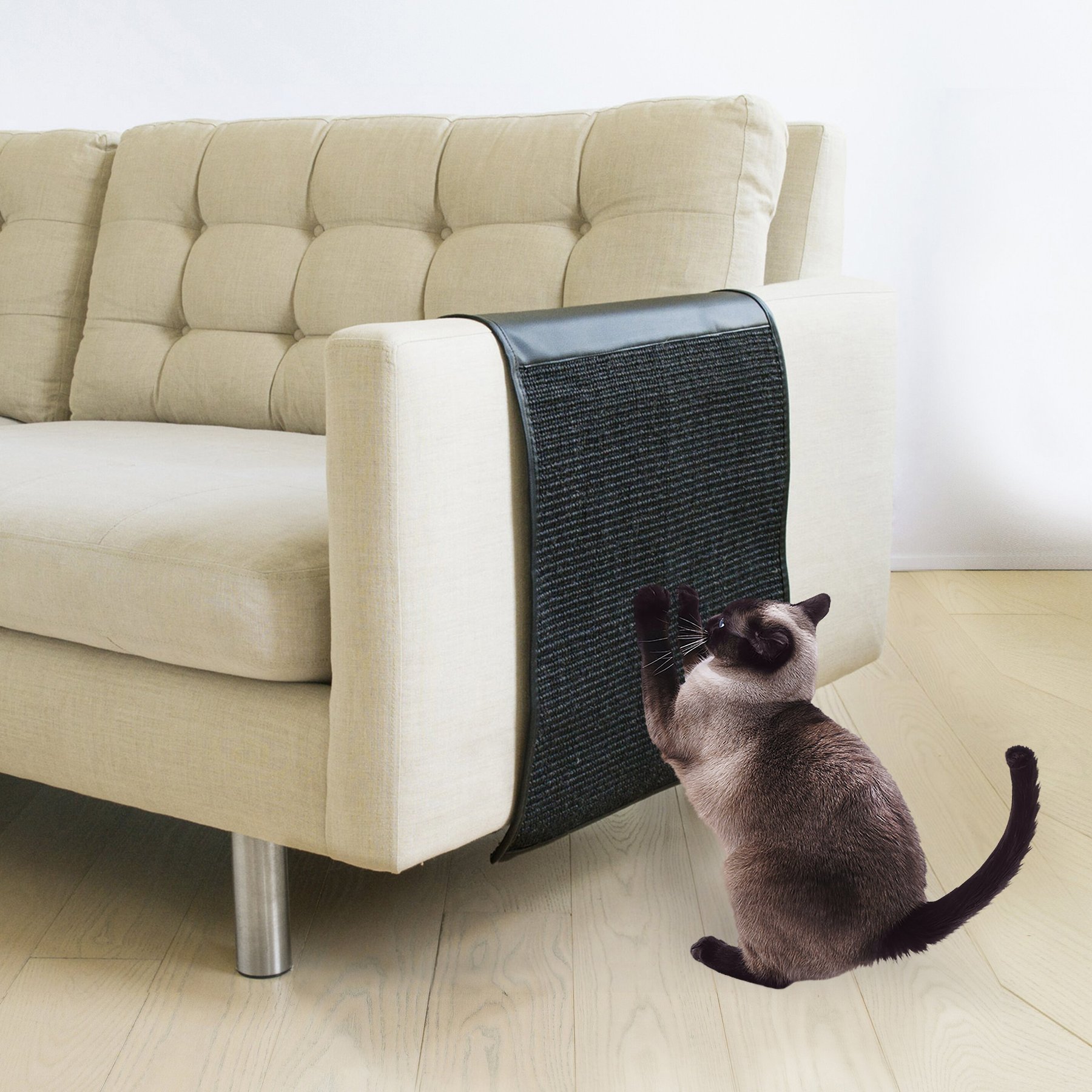
Scratch guards are clear shields you attach to couch edges. They protect areas where cats often scratch. Guards are made of plastic or vinyl, which cats dislike. Place them on corners and armrests. This stops claws from cutting the leather.
Regular Leather Maintenance
Keep leather soft and strong with regular care. Clean the couch using a soft cloth and mild cleaner. Avoid harsh chemicals that can dry out leather. Apply leather conditioner every few months. Conditioning stops cracks and keeps leather flexible.
Redirecting Cat Behavior
Redirecting your cat’s behavior helps protect your leather couch. Cats naturally scratch and explore their space. They need safe and fun ways to express this instinct. Changing their focus can save your furniture from damage.
Providing Alternative Scratching Posts
Give your cat strong scratching posts near the couch. Choose posts with materials cats like, such as sisal or cardboard. Place them where your cat spends most time. This helps them switch from the couch to the post.
Try different shapes and heights. Some cats prefer tall posts to stretch. Others like horizontal scratchers. Keep posts clean and replace if worn out. Your cat will enjoy scratching these more than your leather couch.
Engaging Playtime Activities
Play is a great way to distract your cat from the couch. Use toys like feather wands, laser pointers, or balls. Play regularly to keep your cat active and happy. Tired cats scratch less on furniture.
Short, frequent play sessions work best. Let your cat chase and pounce safely. This burns energy and reduces boredom. An active cat is less likely to damage your couch.
Training With Positive Reinforcement
Reward your cat for using scratching posts or playing nicely. Use treats, petting, or kind words as rewards. This teaches your cat which behaviors you like. Avoid punishment; it can cause stress and fear.
Be patient and consistent. Praise your cat each time it avoids the couch. Over time, your cat will learn good habits. Positive training builds trust and protects your furniture.
When To Seek Professional Help
Sometimes, keeping your cat off the leather couch needs more than home tricks. There are moments when professional help is the best choice. Experts can find the root of the problem and offer strong solutions.
Knowing when to call a professional saves time and stress. It ensures your couch stays safe and your cat stays happy.
Consult A Veterinarian For Behavioral Issues
Scratching and chewing may show stress or health problems. A vet can check for anxiety or pain. They can suggest treatments or calming methods.
Hire A Pet Behaviorist For Persistent Problems
Some cats ignore all home rules. A behaviorist studies your cat’s actions closely. They create a plan to change unwanted habits safely.
Seek Upholstery Repair Experts For Damage
Leather can tear and wear badly from cat claws. Repair experts fix holes and scratches professionally. They restore the couch’s look and strength.
Use Professional Cleaning Services For Stains
Cat accidents can leave stains and smells on leather. Cleaning pros remove odors and marks deeply. They protect leather from further damage.

Credit: www.liftingitalia.com
Frequently Asked Questions
How Can I Stop My Cat From Scratching Leather Couch?
Use double-sided tape or a cat repellent spray on the couch to discourage scratching.
What Safe Sprays Keep Cats Off Leather Furniture?
Citrus or vinegar-based sprays are safe and help keep cats away from leather.
Does Placing A Cat Bed Near Couch Help?
Yes, providing a comfy cat bed nearby can distract cats from the couch.
Can Aluminum Foil Protect Leather Couch From Cats?
Cats dislike the texture and sound of foil, so placing it can deter them.
How Often Should I Trim My Cat’s Nails?
Trimming nails every 1-2 weeks reduces damage to leather and furniture.
Is Training Effective To Keep Cats Off Leather Couches?
Consistent training with rewards and gentle correction can teach cats to stay off.
Conclusion
Keeping your cat off the leather couch is possible with patience. Use gentle deterrents and offer cozy alternatives. Cats like soft, warm spots to rest. Protect your furniture by making it less appealing to cats. Remember, consistency matters most in training your pet.
Small steps lead to a peaceful home. Enjoy your leather couch without scratches or damage. Your cat can learn new habits with time and care.
As an Amazon Associate, I earn from qualifying purchases.