Have you noticed your dog acting differently lately? Maybe they seem tired, itchy, or just not themselves.
These could be signs that your furry friend has a parasite. But how can you be sure? Knowing the warning signs early can save your dog from discomfort and serious health problems. You’ll learn exactly what to look for and when to take action.
Keep reading to protect your dog’s health and happiness.
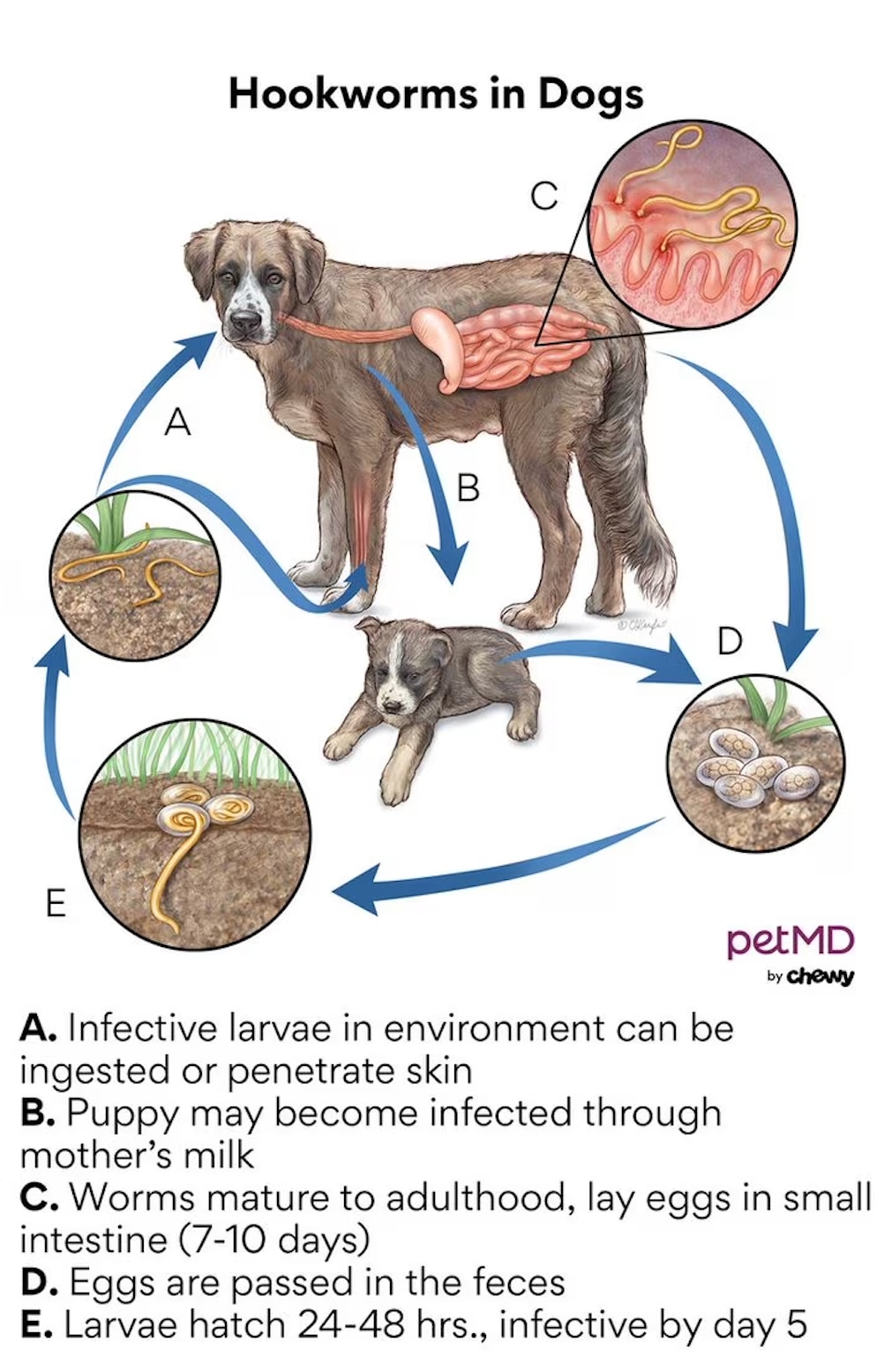
Credit: www.petmd.com
Common Parasites In Dogs
Parasites affect many dogs worldwide. They cause discomfort and health problems. Knowing common parasites helps you protect your dog. Parasites live inside or outside the body. Each type needs different care and treatment.
Types Of Internal Parasites
Internal parasites live inside your dog’s body. They often hide in the stomach or intestines. Common types include roundworms, hookworms, and tapeworms. These parasites can cause weight loss, vomiting, and diarrhea. Some dogs may have a dull coat or a swollen belly. Internal parasites spread through contaminated soil, water, or other animals.
Types Of External Parasites
External parasites live on your dog’s skin or fur. Fleas and ticks are the most common types. They cause itching, redness, and hair loss. Mites also affect dogs and can lead to scabs and skin infections. Some external parasites carry diseases that harm your dog’s health. Regular checks and treatments help keep these pests away.
:strip_icc()/canine-parasites-3385013-v1-5bacee6246e0fb00258c08c5.png)
Credit: www.thesprucepets.com
Behavioral Changes To Notice
Behavioral changes in dogs can reveal a parasite problem early. Watch your dog’s habits closely for signs. Parasites often cause discomfort that changes how your dog acts. Some behaviors stand out more and can help you spot issues fast.
Increased Scratching And Biting
Parasites like fleas or mites cause itchy skin. Your dog may scratch or bite itself more than usual. Look for constant pawing at the body or rubbing against furniture. These actions show irritation and trouble under the skin. Check for redness or small wounds from biting too much. Early attention helps prevent skin infections.
Lethargy And Weakness
Parasites steal nutrients and energy from your dog. This can make your dog seem tired or weak. Notice if your dog rests more and moves less. A lack of usual playfulness or interest in walks is a warning. Weakness may also cause trembling or difficulty standing. These signs need quick care to restore health.
Physical Symptoms
Physical symptoms are often the first sign that your dog might have a parasite. These signs can appear in many ways. Recognizing them early helps in getting quick treatment. Parasites affect your dog’s health and comfort. Watch closely for any changes in your dog’s body and behavior.
Digestive Issues
Parasites often cause stomach problems in dogs. Vomiting and diarrhea are common signs. Your dog might also have gas or a swollen belly. Loss of appetite can happen too. These symptoms show your dog’s digestive system is not well.
Visible Skin Irritations
Parasites can cause itching and redness on your dog’s skin. Look for sores, bumps, or scabs. Your dog may scratch or bite its skin often. Hair loss in patches is another sign. These irritations mean parasites may be under the skin.
Weight Loss And Poor Coat Condition
Parasites take nutrients from your dog’s body. This leads to weight loss even if your dog eats well. The coat may become dull, dry, or thin. Healthy dogs usually have shiny, smooth fur. Changes in weight and coat show your dog is struggling.
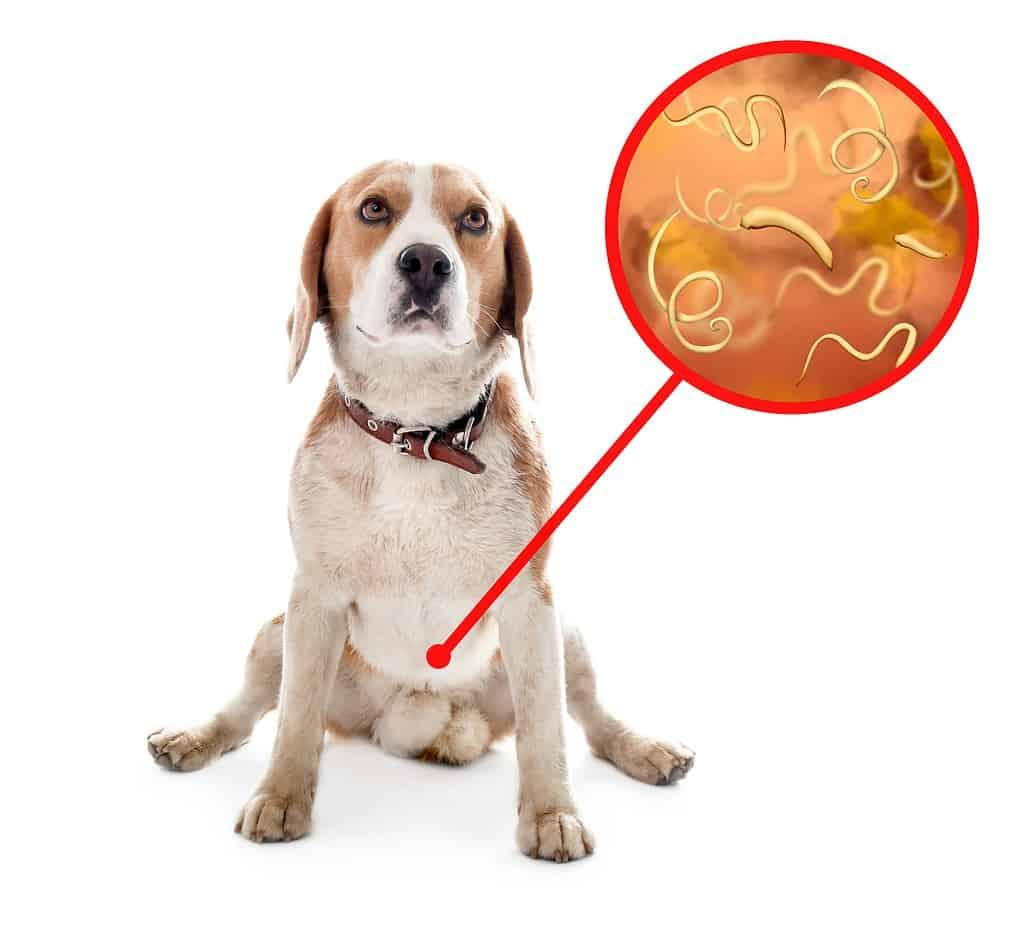
Credit: www.morganpetclinic.com
Checking Your Dog For Parasites
Checking your dog for parasites is an important step to keep them healthy. Parasites can hide in many places on your dog’s body. Regular checks help catch problems early. This way, your dog stays happy and active. Learn simple ways to spot parasites at home. Start by examining the fur and skin closely. Then watch your dog’s stool and vomit for signs. Both show clues about your dog’s health.
Examining The Fur And Skin
Run your fingers gently through your dog’s fur. Look for small bugs or eggs. Fleas and ticks hide near the neck and ears. Check for red or irritated skin. Scratches or hair loss may mean parasites are present. Parasites cause itching and discomfort. Use a fine-toothed comb to catch fleas. Look carefully around the tail and belly. Early detection helps stop parasite problems fast.
Monitoring Stool And Vomit
Check your dog’s stool daily. Look for worms or unusual shapes. Worms may appear as small, white strands. Diarrhea or blood can also signal parasites. Watch for vomiting, especially with worms inside. Vomit may contain worms or strange objects. Keep a close eye on these signs. Contact your vet if you notice anything unusual. Early treatment protects your dog’s health and comfort.
When To Visit The Vet
Knowing when to visit the vet is key to keeping your dog healthy. Parasites can cause serious problems fast. Early care can stop them from getting worse. Watch your dog closely for signs of illness. Timely vet visits help catch parasites early. This keeps your pet happy and safe.
Urgent Signs To Watch For
Some signs need immediate vet attention. Look for severe vomiting or diarrhea. Blood in stool or vomit is a red flag. Sudden weakness or trouble walking is serious. Swollen belly or difficulty breathing needs quick care. If your dog stops eating or drinking, act fast. These signs may mean heavy parasite infection.
Routine Parasite Screenings
Regular check-ups help find parasites before symptoms appear. Ask your vet about fecal tests during visits. Yearly screenings keep your dog parasite-free. Puppies and older dogs need more frequent checks. Prevention saves money and avoids health risks. Routine screenings give peace of mind to pet owners.
Preventing Parasite Infestations
Preventing parasite infestations is key to keeping your dog healthy. Parasites cause discomfort and can lead to serious illness. Taking steps to prevent them protects your dog and your home. Simple habits help stop parasites before they start.
Regular Deworming
Deworming kills internal parasites like roundworms and hookworms. Follow your vet’s advice on how often to deworm your dog. Puppies need more frequent treatments than adult dogs. Use safe, vet-approved medications only. Regular deworming keeps parasites from growing inside your dog.
Flea And Tick Control
Fleas and ticks cause itching and spread diseases. Use flea and tick preventatives year-round. Options include collars, topical treatments, and oral medications. Check your dog’s fur often, especially after outdoor play. Remove any ticks carefully to avoid infection.
Maintaining A Clean Environment
Parasites thrive in dirty areas. Clean your dog’s bedding and toys weekly. Keep your yard free of waste and debris. Avoid letting your dog drink from stagnant water. A clean space lowers the chance of parasite infestations.
Frequently Asked Questions
What Are Common Signs Your Dog Has A Parasite?
Look for weight loss, diarrhea, vomiting, itchy skin, or visible worms in stool.
How Can Parasites Affect My Dog’s Health?
Parasites can cause poor growth, weakness, anemia, and serious infections if untreated.
Can I See Parasites In My Dog’s Stool?
Sometimes, yes. Worms or eggs may be visible in the dog’s feces.
How Do Dogs Usually Get Parasites?
Dogs catch parasites from dirty water, contaminated soil, fleas, or eating infected animals.
When Should I Take My Dog To The Vet For Parasites?
Visit the vet if your dog shows signs like diarrhea, vomiting, or weight loss.
How Can I Prevent Parasites In My Dog?
Keep your dog clean, avoid dirty areas, use vet-recommended parasite preventatives regularly.
Conclusion
Parasites can cause serious health problems for your dog. Watch for signs like itching, weight loss, or tummy troubles. Regular vet visits help catch parasites early. Clean your dog’s living space often. Use recommended parasite prevention treatments. Acting fast protects your dog’s health and happiness.
Stay alert and keep your furry friend safe and comfortable. Small steps make a big difference in parasite control.
As an Amazon Associate, I earn from qualifying purchases.