If your dog has a broken pelvis, you know how painful and scary it can be—for both of you. Lifting your furry friend the wrong way might cause more harm or increase their discomfort.
But don’t worry. This guide will show you exactly how to lift your dog safely and gently, so you can help them feel secure and supported during this tough time. Keep reading to learn simple, effective steps that make a big difference in your dog’s recovery and comfort.
Assessing The Injury
Assessing a dog’s injury is the first step before lifting a dog with a broken pelvis. Careful observation helps avoid more harm. Stay calm and move slowly to reduce stress for your pet. Check the dog’s behavior and physical signs closely.
Signs Of A Broken Pelvis
A broken pelvis causes severe pain and difficulty moving. Your dog may limp or refuse to walk. Watch for swelling or bruising around the hips. The dog might lie on one side and avoid putting weight on the back legs. Whimpering or crying can show pain. A twisted or uneven posture is a strong sign of injury.
When To Seek Veterinary Help
Get professional help right away if you notice these signs. A vet will confirm the injury with an exam and X-rays. Do not try to move the dog too much before help arrives. Quick treatment can prevent complications and ease pain. Call an emergency vet if your dog cannot stand or has severe bleeding.

Credit: www.wikihow.com
Preparing To Lift
Preparing to lift a dog with a broken pelvis is a delicate task. It needs care, patience, and the right tools. Proper preparation helps avoid extra pain or injury for your dog. Stay calm and organized to make the process smoother.
Gathering Necessary Supplies
Collect all items before lifting your dog. Use a sturdy blanket or towel to support their body. Have a soft cushion or pad ready for comfort. Keep medical supplies nearby, like gauze or bandages, in case of bleeding. Prepare a safe, quiet area to move your dog to. These steps make lifting safer and easier.
Calming Your Dog
Speak softly and gently touch your dog to reassure them. Avoid sudden movements that may scare or hurt them. Use a calm voice to reduce anxiety. Let your dog sniff your hand before lifting. A calm dog will stay still and feel safer during the move.
Safe Lifting Techniques
Lifting a dog with a broken pelvis needs care and the right methods. Safe lifting stops more pain or injury. It helps your dog feel calm and secure. Using good techniques protects both you and your pet during the move.
Supporting The Pelvic Area
Hold the dog gently but firmly under the hips. Support the pelvis fully to keep it steady. Avoid pressing on the broken bones. Keep the dog’s back straight while lifting. This support helps reduce pain and prevents movement of the injury.
Using A Towel Or Blanket
Place a towel or blanket under the dog before lifting. Fold it to make a strong sling. Slide it carefully under the pelvis and chest. Use the towel to lift evenly and gently. This method spreads the weight and protects the injured area.
Proper Body Mechanics For You
Bend your knees, not your back, before lifting. Keep your back straight to avoid strain. Use your leg muscles to raise the dog smoothly. Hold the dog close to your body for balance. Move slowly to keep control and avoid sudden jerks.
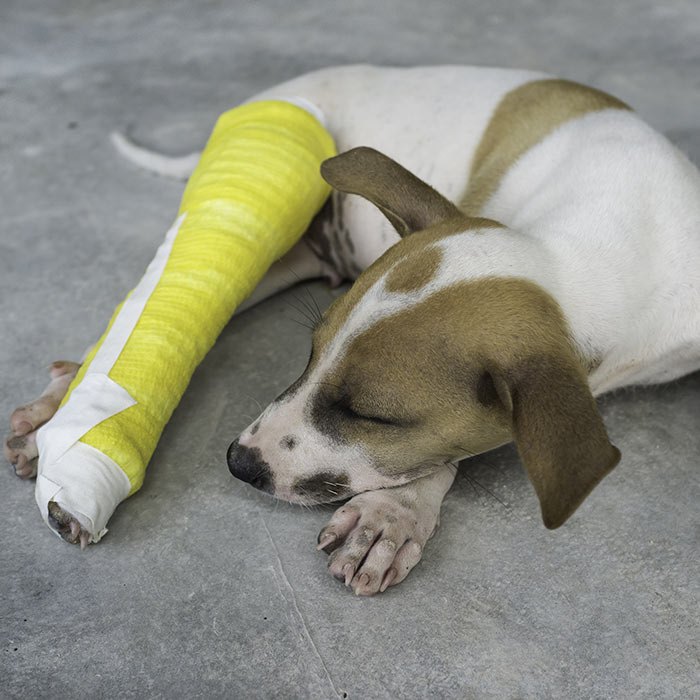
Credit: bowwowinsurance.com.au
Transporting Your Dog
Transporting a dog with a broken pelvis needs extra care. The goal is to keep your dog calm and safe. Moving too much can cause pain or worsen the injury. Preparing properly helps make the trip easier for both of you.
Choosing The Right Carrier Or Stretcher
Pick a carrier or stretcher that supports your dog’s whole body. It should be firm but soft enough to avoid pressure points. A flat surface helps keep your dog stable. Size matters. The carrier must be big enough for your dog to lie down comfortably.
Look for handles on both sides. This allows two people to lift evenly. Avoid carriers that are too heavy or hard to carry. A stretcher with straps can help secure your dog gently. Use blankets or towels to add cushioning.
Minimizing Movement During Transport
Keep your dog as still as possible during the trip. Sudden moves cause pain and risk more damage. Hold the carrier steady and avoid bumps. Move slowly and gently. If you must carry your dog without a carrier, support the chest and hips firmly.
Ask for help if your dog is large or heavy. Keep talking softly to calm your dog. Cover the carrier with a light cloth to reduce stress. Stop if your dog shows signs of distress or pain.
Aftercare Tips
After lifting a dog with a broken pelvis, proper care is vital. The recovery process needs patience and attention. Following the right aftercare steps can help your dog heal safely and comfortably.
Monitoring Pain And Discomfort
Watch your dog closely for signs of pain. Restlessness, whining, or limping may mean discomfort. Use gentle touch to check for sore spots. Keep a pain diary to share with your vet. Managing pain early helps prevent extra stress.
Preventing Further Injury
Limit your dog’s movement to avoid extra harm. Use a crate or small room for safe rest. Remove slippery rugs and sharp objects nearby. Support your dog carefully when lifting or moving. Avoid letting your dog jump or run until cleared by the vet.
Following Veterinary Instructions
Follow all vet advice without skipping steps. Give medicines exactly as prescribed and on time. Attend all follow-up visits to track healing. Ask the vet about signs to watch for at home. Clear communication with your vet ensures better recovery.
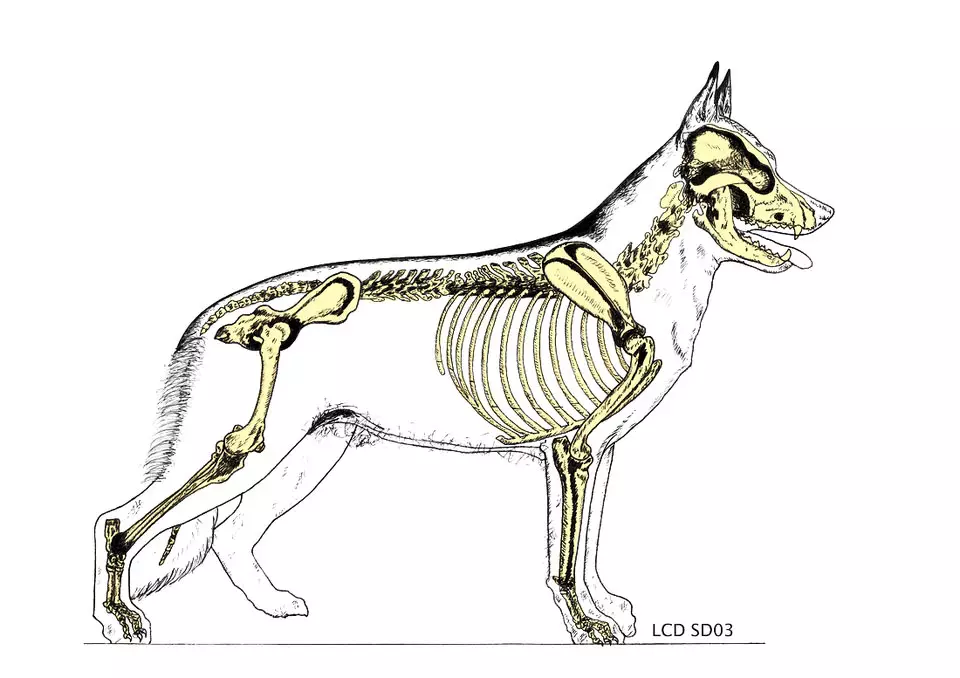
Credit: bowwowinsurance.com.au
Frequently Asked Questions
How Do I Safely Lift A Dog With A Broken Pelvis?
Support the dog’s chest and hips evenly. Lift gently without twisting or jerking the body.
What Is The Best Way To Carry An Injured Dog?
Use a blanket or board to create a flat surface. Lift carefully to avoid pain.
Can I Lift My Dog Alone If It Has A Broken Pelvis?
If the dog is large or very weak, get help from another person to lift safely.
How Long Should I Wait Before Moving A Dog With A Broken Pelvis?
Move the dog only when necessary and as soon as possible to get veterinary help.
What Signs Show My Dog Needs Urgent Lifting Help?
Severe pain, inability to stand, bleeding, or swelling near the hips require immediate care.
Should I Use Any Tools To Lift A Dog With A Broken Pelvis?
A stretcher, blanket, or board works best to keep the dog stable during lifting.
Conclusion
Lifting a dog with a broken pelvis needs care and patience. Support the dog’s body gently and keep movements slow. Use a blanket or towel to help lift safely. Avoid putting pressure on the injured area. Always ask a vet for advice before moving your dog.
Your calm and steady help makes a big difference. Caring for your pet with kindness helps them heal better. Small actions can bring comfort and safety during recovery. Keep your dog calm and secure while lifting. This care shows your love and helps your dog feel safe.
As an Amazon Associate, I earn from qualifying purchases.