If you’re looking to buy a muzzle for your dog, getting the right size is key. A muzzle that’s too tight can cause discomfort, while one that’s too loose won’t do its job.
You want your dog to stay safe and comfortable at the same time. In this guide, you’ll learn exactly how to measure your dog’s muzzle size with simple steps. By the end, you’ll feel confident choosing a muzzle that fits perfectly—keeping your furry friend happy and secure.
Keep reading to make sure you get it right the first time.
Why Proper Muzzle Fit Matters
Choosing the right muzzle size is very important for your dog’s comfort and safety. A muzzle that fits well helps your dog stay calm and relaxed. It stops the dog from biting or eating harmful things without causing stress. An ill-fitting muzzle can hurt your dog or make them feel trapped. It may also cause your dog to panic or try to remove it.
Proper fit allows your dog to breathe, pant, and drink water easily. It supports good behavior and builds trust between you and your dog. A well-fitted muzzle is a tool for safety, not punishment. It shows you care about your dog’s well-being.
Comfort And Safety
A muzzle that fits right keeps your dog safe and comfy. It stops chafing or rubbing on the skin. Your dog can move its mouth enough to breathe and pant. This is very important, especially on hot days.
Preventing Stress And Anxiety
A tight or loose muzzle can cause stress for your dog. A good fit helps your dog feel calm and secure. It reduces fear and stops attempts to escape the muzzle. Your dog learns to accept it as a normal part of life.
Effective Control
The right size lets you control your dog safely. It stops biting and chewing without hurting the dog. A muzzle that fits well works better for training and walks. You feel more confident handling your dog in public places.
Tools Needed For Measurement
Measuring your dog’s muzzle size needs the right tools. These tools help you get exact measurements. Accurate size means a comfortable fit for your dog. Using simple tools makes the job easy and quick.
Flexible Measuring Tape
A flexible measuring tape is the best tool for this task. It bends easily around your dog’s muzzle. This tape shows length and circumference clearly. Use a cloth or plastic tape for comfort and accuracy.
Soft Ruler
A soft ruler works well if you don’t have a measuring tape. It can measure straight parts of the muzzle. Avoid hard rulers that can hurt your dog. Use gentle pressure and read the numbers carefully.
Pen And Paper
Pen and paper help record measurements right away. Write down each number to avoid mistakes later. It keeps the process organized and smooth. This simple step saves time when choosing a muzzle.
Helper Or Assistant
Having a helper makes measuring easier and safer. They can hold the dog still while you measure. This helps get exact numbers without stress. Two people make the task faster and calm for the dog.
Measuring Your Dog’s Snout Length
Measuring your dog’s snout length helps find the right muzzle size. A proper fit keeps your dog comfortable and safe. It stops the muzzle from being too tight or too loose. Accurate measurement makes sure your dog can breathe and pant well.
Tools Needed For Measuring
Use a soft tape measure or a piece of string. A ruler can work but may be less flexible. Have a pen and paper to note the measurement. Calm your dog first to get an easy measure.
How To Position Your Dog
Let your dog stand or sit calmly. Keep the head straight and level. Avoid tilting the head up or down. This helps get a true snout length.
Measuring The Snout Length
Place the tape at the base of the snout. The base is just below the eyes. Stretch the tape to the tip of the nose. Keep the tape snug but not tight. Write down the length in centimeters or inches.
Measuring Snout Circumference
Measuring your dog’s snout circumference is key to finding the right muzzle size. This measurement ensures the muzzle fits comfortably and safely. A proper fit prevents rubbing, chafing, or escape. It also allows your dog to breathe and pant easily.
Taking the snout circumference is simple with the right tools and steps. A soft measuring tape works best for accuracy. If you don’t have one, use a piece of string and then measure it with a ruler.
Prepare Your Dog For Measurement
Keep your dog calm and relaxed. Gently hold your dog’s head steady. Praise your dog to keep them comfortable. Avoid pulling or pressing too hard on the snout.
Locate The Correct Position To Measure
Place the tape around the widest part of the snout. This is usually just below the eyes. Make sure the tape is snug but not tight. It should sit comfortably around the snout.
Take The Measurement Accurately
Wrap the tape fully around the snout once. Note the number where the tape meets. Double-check the measurement for accuracy. Record the measurement in centimeters or inches.
Tips For Best Results
Measure twice to avoid mistakes. Use a helper if your dog moves a lot. Measure your dog when calm and standing. Keep the tape level and straight around the snout.
Measuring Neck And Head Size
Measuring the neck and head size of your dog is very important for choosing the right muzzle. The muzzle should fit well to keep your dog comfortable and safe. Too tight or too loose muzzles can cause problems. Taking accurate measurements helps avoid these issues.
Use a soft measuring tape or a piece of string to get the size. Then, note the length and width carefully. Measuring both the neck and head ensures the muzzle fits perfectly.
Measuring Your Dog’s Neck Size
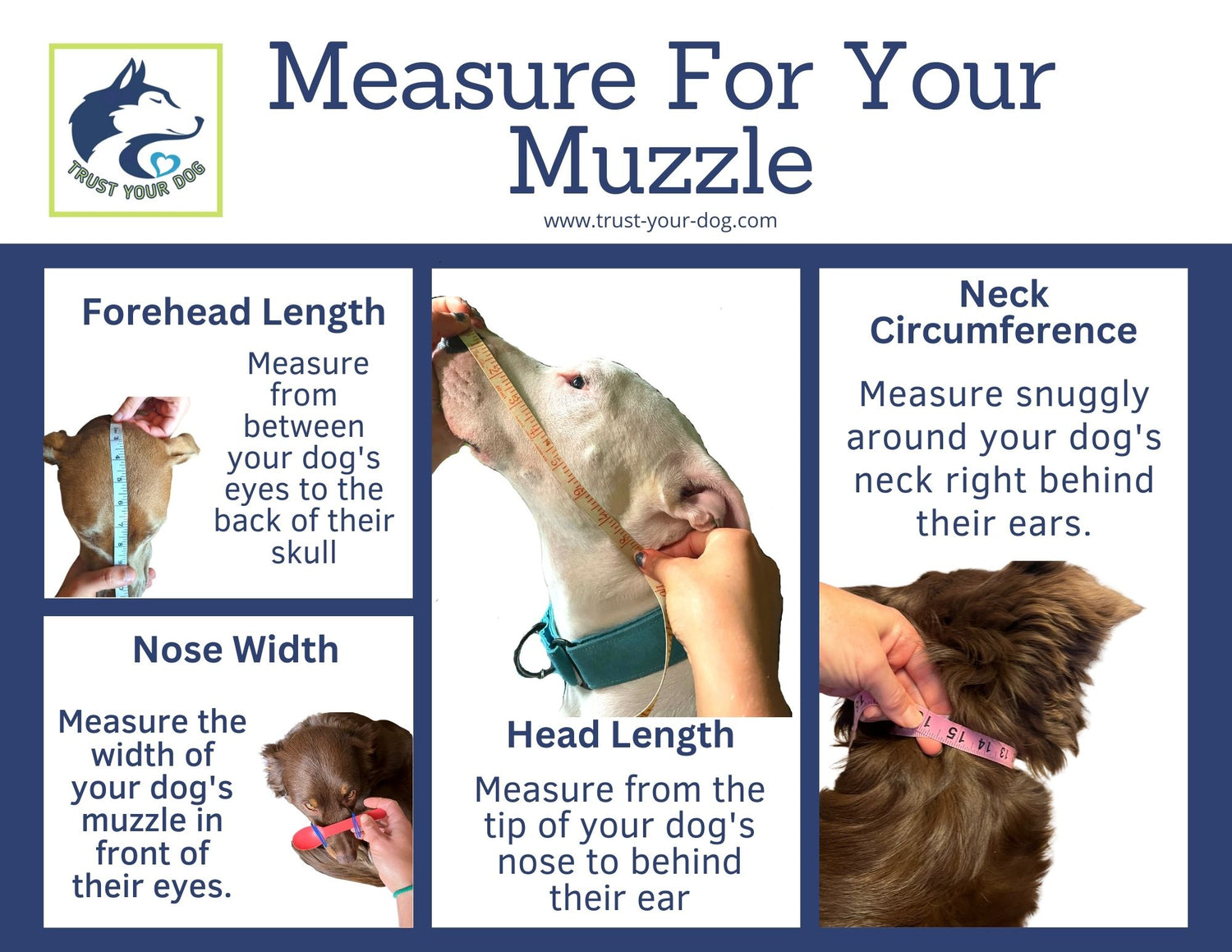
Wrap the soft measuring tape around the thickest part of your dog’s neck. This is usually just above the shoulders. Keep the tape snug but not tight. Leave enough space to fit one finger under the tape. This gives comfort and room for breathing.
Note the measurement in inches or centimeters. This size helps pick a muzzle strap that goes around the neck.
Measuring Your Dog’s Head Size
Measure around the widest part of your dog’s head. This is usually just behind the ears and over the snout. Wrap the tape carefully so it stays level all around the head. Avoid pulling too tight or leaving the tape loose.
Write down the head circumference size. This measurement helps find a muzzle that fits your dog’s face well without slipping or pinching.

Credit: www.bigsnoofdoggear.com
Choosing The Right Muzzle Type
Choosing the right muzzle type is important for your dog’s comfort and safety. Different muzzles serve different purposes. Picking a muzzle that fits your dog’s needs helps avoid stress and injury. Consider how your dog will use the muzzle. Some muzzles are for short use, others for longer wear.
Think about your dog’s behavior. Some dogs need muzzles for training. Others might need them for vet visits or walks. The right muzzle type also depends on your dog’s breed and size.
Basket Muzzles
Basket muzzles allow dogs to pant and drink. They give more freedom to the dog’s mouth. These muzzles are good for longer use. They are sturdy and safe. Dogs can still breathe well and cool down.
Soft Muzzles
Soft muzzles are made of fabric or mesh. They fit snugly around the dog’s nose. These muzzles are best for short periods. They stop biting but limit panting. Use soft muzzles carefully, not for long walks or hot weather.
Short Snout Muzzles
Short snout muzzles fit dogs with flat faces. Breeds like pugs and bulldogs need these. These muzzles allow easy breathing. They are shaped to fit the special nose shape. Comfort and safety are the main focus.
Common Measurement Mistakes To Avoid
Measuring your dog’s muzzle correctly is very important. A wrong size can cause discomfort or even injury. Many dog owners make simple mistakes that affect the fit of the muzzle. Avoiding these errors will help your dog stay safe and comfortable.
Pay close attention to how you measure. Small errors can lead to a poor fit. Here are some common mistakes to avoid.
Not Measuring The Muzzle Length Accurately
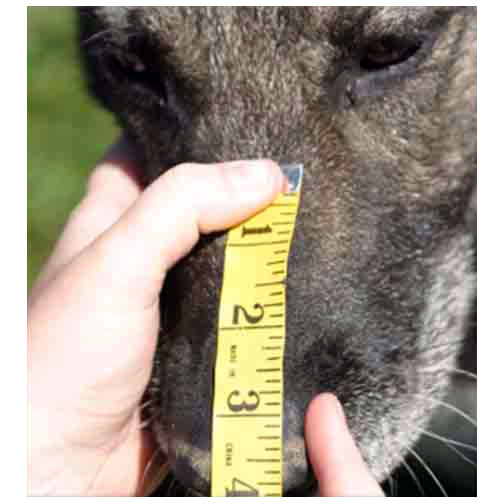
Measure from the tip of the nose to just below the eyes. Do not guess or estimate. Use a soft tape measure and keep it straight. A wrong length makes the muzzle too tight or loose.
Ignoring The Width Of The Muzzle
Width is just as important as length. Measure around the widest part of the muzzle. A narrow muzzle can squeeze your dog’s snout. Too wide, and the muzzle will slip off.
Using The Wrong Tools
Use a flexible tape measure. Rulers or hard tools do not work well on curved surfaces. They may give incorrect numbers. Soft tape fits the shape better and gives a true measurement.
Measuring When The Dog Is Stressed
Measure when your dog is calm. Stress can change how the muzzle looks. A relaxed dog’s muzzle is the best shape to measure. This ensures a comfortable fit.
Forgetting To Measure The Neck Size
The strap around the neck must fit well. Measure the circumference of your dog’s neck. Do not guess or use old collars as a guide. The strap should be snug but not tight.
Credit: leerburg.com
Tips For Comfortable Muzzle Wear
Making sure a dog muzzle fits well is key to keeping your pet comfortable. A good fit helps your dog breathe, pant, and drink water easily. It also prevents chafing and stress. Follow these tips to help your dog wear a muzzle without fuss.
Choose The Right Material
Pick muzzles made from soft, breathable materials. Leather and nylon are gentle on the skin. Avoid hard plastics that may hurt your dog’s face. Soft materials reduce irritation during long wear.
Check For Proper Fit
Measure your dog’s snout carefully before buying. The muzzle should be snug but not tight. Leave space for your dog to open its mouth slightly. This allows panting and drinking.
Introduce The Muzzle Slowly
Let your dog see and smell the muzzle first. Offer treats while holding the muzzle near your dog. Gradually put the muzzle on for short times. Increase wearing time as your dog gets used to it.
Adjust Straps Correctly
Straps should hold the muzzle securely but not squeeze. Adjust straps to avoid rubbing behind the ears. Check straps daily for comfort and fit. Loose straps let the muzzle slip off.
Watch Your Dog’s Behavior
Look for signs of discomfort or stress. If your dog paws at the muzzle, pause and try again later. Use positive reinforcement to create good associations. Comfort leads to better acceptance.
Credit: trust-your-dog.com
Frequently Asked Questions
How Do I Measure My Dog’s Muzzle Size Correctly?
Use a soft tape to measure around the widest part of the dog’s snout, just below the eyes.
What Tools Do I Need For Measuring A Dog’s Muzzle?
A flexible measuring tape or a piece of string and a ruler work best for accuracy.
Why Is Measuring Muzzle Size Important For My Dog?
Correct size ensures comfort, safety, and prevents the muzzle from being too tight or loose.
How Tight Should A Dog Muzzle Fit?
The muzzle should be snug but allow your dog to open its mouth slightly and pant.
Can I Measure My Dog’s Muzzle Without Help?
Yes, but it is easier with another person to hold the dog steady during measurement.
How Often Should I Re-measure My Dog’s Muzzle?
Measure again if your dog is still growing or if the muzzle feels too tight or loose.
Conclusion
Measuring your dog’s muzzle size helps find the right fit. A good fit keeps your dog safe and comfortable. Use a soft tape measure for accurate results. Measure the length and circumference carefully. Double-check the numbers before buying a muzzle.
A properly sized muzzle supports your dog’s health and behavior. Take your time and be patient. Your dog will thank you with calm and happy walks. Simple steps lead to better care for your furry friend.
As an Amazon Associate, I earn from qualifying purchases.