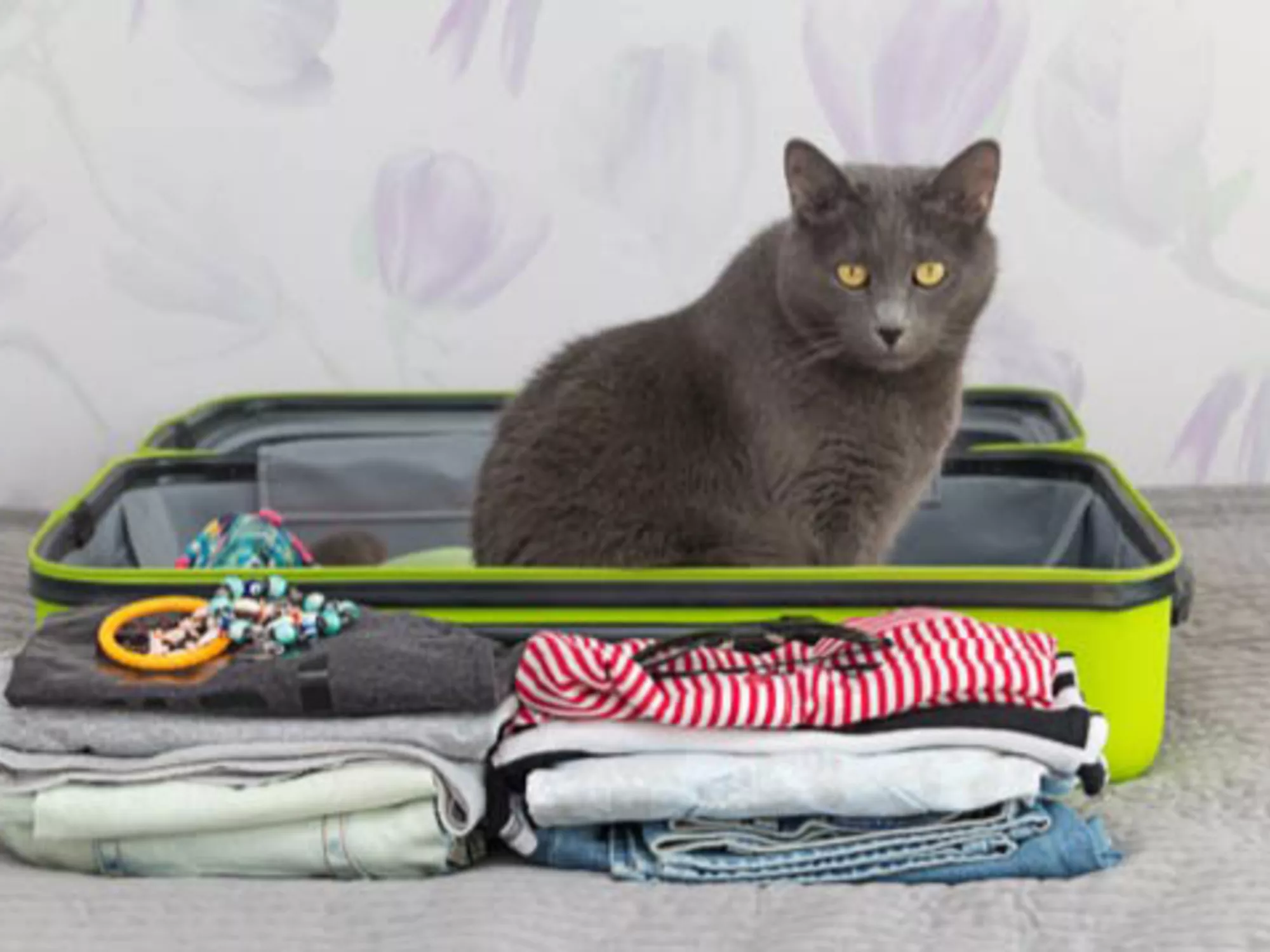
Moving long distance with your cat can feel overwhelming. You want to make sure your furry friend stays calm, safe, and comfortable throughout the trip.
But how do you prepare for the journey? What steps can you take to reduce stress for both you and your cat? In this guide, you’ll discover simple, practical tips that make moving with your cat easier than you ever thought possible.
Keep reading to learn how to turn a potentially stressful move into a smooth experience for you and your beloved pet.
Credit: www.upack.com
Preparing Your Cat For The Move
Preparing your cat for a long-distance move helps reduce stress and keeps your pet safe. Cats like routine and familiar spaces. Moving can upset them. Planning ahead makes the trip smoother. Start early to give your cat time to adjust.
Choosing The Right Carrier
Select a carrier that fits your cat comfortably. It should be large enough for your cat to stand, turn, and lie down. Hard-sided carriers offer more protection. Soft-sided carriers are lighter and easier to carry. Pick one with good ventilation. Make sure the carrier has a secure door.
Familiarizing Your Cat With The Carrier
Updating Identification And Microchips
Check your cat’s ID tags and microchip information. Update your phone number and address. This ensures your cat can be found if lost. Use a collar with an ID tag during travel. Keep a recent photo of your cat handy. It helps if your cat goes missing.
Packing Essentials For Your Cat
Packing for a long-distance move with your cat takes careful planning. Your cat needs familiar items to feel safe during travel. Bring everything your cat uses daily. This makes the trip less stressful for both of you.
Prepare a special bag just for your cat’s essentials. Keep it handy and easy to reach. This way, you can quickly access important items anytime.
Food And Water Supplies
Carry enough food for the trip and a little extra. Use the same brand and type your cat usually eats. Sudden food changes can upset their stomach. Bring fresh water in a spill-proof container. Offer water regularly to keep your cat hydrated. Pack collapsible bowls for easy feeding and drinking.
Comfort Items And Toys
Include your cat’s favorite blanket or bed. Familiar scents calm anxious cats. Bring a few favorite toys to keep your cat entertained. Toys help reduce stress and boredom during travel. A small towel can also help your cat feel secure. These items create a cozy space in the carrier.
Litter And Cleaning Materials
Bring a portable litter box for stops or overnight stays. Use the same litter your cat uses at home. Pack extra litter to avoid running out. Carry disposable bags for cleaning waste quickly. Include paper towels and pet-safe wipes for accidents. Keeping your cat’s area clean helps prevent discomfort and stress.
Planning The Travel Route
Planning the travel route is key for a smooth long-distance move with a cat. Careful route planning helps reduce your cat’s stress and keeps the journey safe. Think about stops, timing, and weather to make the trip easier for your pet.
Selecting Pet-friendly Stops
Choose stops that welcome pets and offer safe spaces. Look for rest areas with grassy spots where your cat can stretch. Avoid noisy or crowded places that may scare your cat. Plan breaks every few hours to check on your pet’s comfort.
Timing The Journey
Travel during your cat’s calmest hours to lower stress. Early mornings or late evenings often work well. Avoid driving during your pet’s usual sleep times. Keep the trip short by dividing it into manageable sections.
Considering Weather Conditions
Check weather forecasts along your route before you leave. Avoid extreme heat or cold to protect your cat’s health. Keep your vehicle well-ventilated and never leave your cat alone inside. Adjust travel plans if bad weather appears.

Credit: www.youtube.com
Managing Cat Stress During Travel
Traveling long distance with a cat can be stressful for your pet. Cats feel safe in familiar places. Moving to a new place can cause anxiety and fear. Managing your cat’s stress is very important for a smooth trip. Small actions can help your cat feel calm and safe during travel.
Calming Techniques And Pheromones
Use calming sprays or diffusers with cat pheromones. These mimic natural scents that make cats feel secure. Spray the carrier or your cat’s bedding before the trip. Speak softly to your cat to reduce anxiety. Gentle petting can also soothe your cat’s nerves.
Avoiding Sudden Movements And Loud Noises
Sudden movements scare cats easily. Move slowly and carefully around your cat. Avoid loud noises like honking or shouting near the carrier. Keep the car radio low or off. A quiet environment helps your cat stay calm during travel.
Maintaining A Calm Environment
Keep the carrier covered with a light cloth to block visual distractions. Ensure good ventilation inside the carrier. Bring familiar items like a favorite blanket or toy. Keep the temperature comfortable. Speak in a low, soothing voice to reassure your cat.
Traveling By Car With Your Cat
Traveling by car with your cat needs careful planning. Cats feel safe in familiar spaces. A calm trip helps reduce their stress. Prepare your car and supplies before you start. This way, your cat stays happy and safe on the road.
Securing The Carrier Safely
Choose a sturdy carrier with good ventilation. Place a soft blanket inside for comfort. Secure the carrier with a seatbelt or straps. This stops it from moving during the drive. Keep the carrier closed to prevent escapes. A safe carrier protects your cat from sudden stops.
Taking Breaks For Feeding And Litter
Plan breaks every two to three hours. Offer small amounts of food and water. Use a travel litter box during stops. Find quiet, safe spots to let your cat stretch. Avoid opening the carrier in busy areas. Regular breaks keep your cat healthy and calm.
Keeping The Car Comfortable
Maintain a moderate temperature inside the car. Avoid direct sunlight on the carrier. Play soft music or keep the car quiet. Talk gently to your cat to soothe it. Do not open windows near the carrier. A calm environment helps your cat relax during travel.
Traveling By Air With Your Cat
Traveling by air with your cat requires careful planning and preparation. Cats can get stressed in new environments, so making the journey smooth is important. Knowing airline rules and how to handle security checks helps reduce stress for both you and your pet.
Choosing the right travel option keeps your cat safe and comfortable during the flight. This section explains key points about flying with your cat.
Airline Policies And Requirements
Each airline has its own rules for traveling with pets. Check these rules before booking your flight. Some airlines allow small cats in the cabin, but others require pets to go in cargo. Airlines often need a health certificate from your vet. Vaccinations must be up to date. Follow the airline’s rules about carrier size and type. Book your pet’s spot early, as some flights limit animals on board.
Preparing For Security Checks
Security checks can be tricky with a cat. You must take your cat out of the carrier when passing through metal detectors. Hold your cat firmly to prevent escapes. The carrier goes through the X-ray machine. Use a leash or harness for extra control. Pack familiar items like a blanket or toy inside the carrier. This helps calm your cat during screening.
In-cabin Vs. Cargo Options
Decide if your cat will travel in the cabin or cargo. In-cabin travel keeps your cat close and reduces anxiety. The carrier fits under the seat in front of you. Cargo travel suits larger cats or long flights. It requires a sturdy, ventilated crate. Cargo areas are temperature controlled but less accessible. Weigh the pros and cons for your cat’s safety and comfort.
Settling In After The Move
Moving to a new home can be tough for cats. They need time and care to feel safe. Settling in after the move helps your cat adjust faster. It lowers stress and builds trust. Here are ways to make this time easier for your cat.
Creating A Safe Space
Give your cat a quiet room at first. This space should have a bed, food, water, and litter box. Close the door to limit noise and people. Your cat will feel less scared in this calm spot. Let your cat explore this room on its own time. Avoid forcing contact. Sit quietly nearby to show you are there.
Reintroducing Familiar Items
Bring your cat’s favorite toys and blankets. These items carry familiar smells. They make the new place feel like home. Place them in the safe space and other rooms later. You can also keep their usual food and bowls. Familiar things comfort your cat during change.
Establishing A Routine Quickly
Keep feeding times the same as before. Cats love routine and predictability. Play and cuddle at regular times daily. This helps your cat know what to expect. A steady routine builds confidence in the new home. It also reduces anxiety and helps your cat settle fast.

Credit: www.getbellhops.com
Frequently Asked Questions
How To Prepare A Cat For A Long-distance Move?
Start by visiting the vet for a health check and vaccinations. Use a comfortable carrier and familiar toys.
What Are The Best Carriers For Moving Cats Long Distances?
Choose a sturdy, well-ventilated carrier that is easy to carry and fits your cat snugly.
How To Keep A Cat Calm During A Long-distance Move?
Use calming sprays or pheromone diffusers. Speak softly and avoid loud noises around the cat.
Can I Feed My Cat Before A Long-distance Trip?
Feed small meals 3-4 hours before travel. Avoid feeding right before the trip to prevent nausea.
How To Handle Bathroom Needs For Cats On Long Trips?
Provide a small, portable litter box during stops. Clean it regularly to keep your cat comfortable.
Should I Update My Cat’s Id Before Moving?
Yes, update your cat’s microchip and ID tags with your new address and contact details.
Conclusion
Moving far with your cat takes careful planning and patience. Keep your cat calm and safe during the trip. Prepare a comfortable carrier and bring familiar items. Make frequent stops to check on your pet’s well-being. Remember, your cat depends on you for comfort and security.
Small steps can make a big difference in easing stress. Trust your instincts and stay calm throughout the journey. This way, your cat will adjust better to the new home. A smooth move helps both you and your furry friend feel happy.
As an Amazon Associate, I earn from qualifying purchases.