Thinking about neutering your cat at home using a rubber band? You’re not alone.
Many cat owners want a simple, cost-effective way to manage their pet’s health. But before you try this method, it’s important to understand exactly what it involves and the risks you need to watch out for. You’ll learn the facts, step-by-step guidance, and what to consider to keep your cat safe.
Keep reading to make sure you’re doing what’s best for your furry friend.
Reasons For Neutering Cats
Neutering cats is an important step for every cat owner. It helps keep cats healthy and calm. It also stops many problems that unneutered cats face. Understanding the reasons for neutering can help you care better for your pet. It also helps with bigger issues in the community. Here are some key reasons why neutering is a good choice.
Benefits For Cat Health
Neutering lowers the risk of certain diseases. It helps prevent infections in the reproductive organs. Cats live longer and feel better after neutering. The procedure reduces chances of cancer in male and female cats. It also stops painful conditions like uterine infections. Neutered cats tend to be healthier overall.
Controlling The Cat Population
Many cats end up homeless every year. Neutering helps stop unwanted litters. It lowers the number of stray cats on the streets. Fewer cats mean less fighting and disease spread. Neutering helps reduce the burden on animal shelters. It is a key way to control cat populations humanely.
Behavioral Improvements
Neutered cats are calmer and less aggressive. They stop marking territory with strong-smelling urine. Fighting with other cats becomes rare. Neutering lowers the chance of roaming and getting lost. Cats become more focused on home and family. It makes living with your cat easier and more peaceful.
Credit: www.youtube.com
Risks Of Diy Neutering
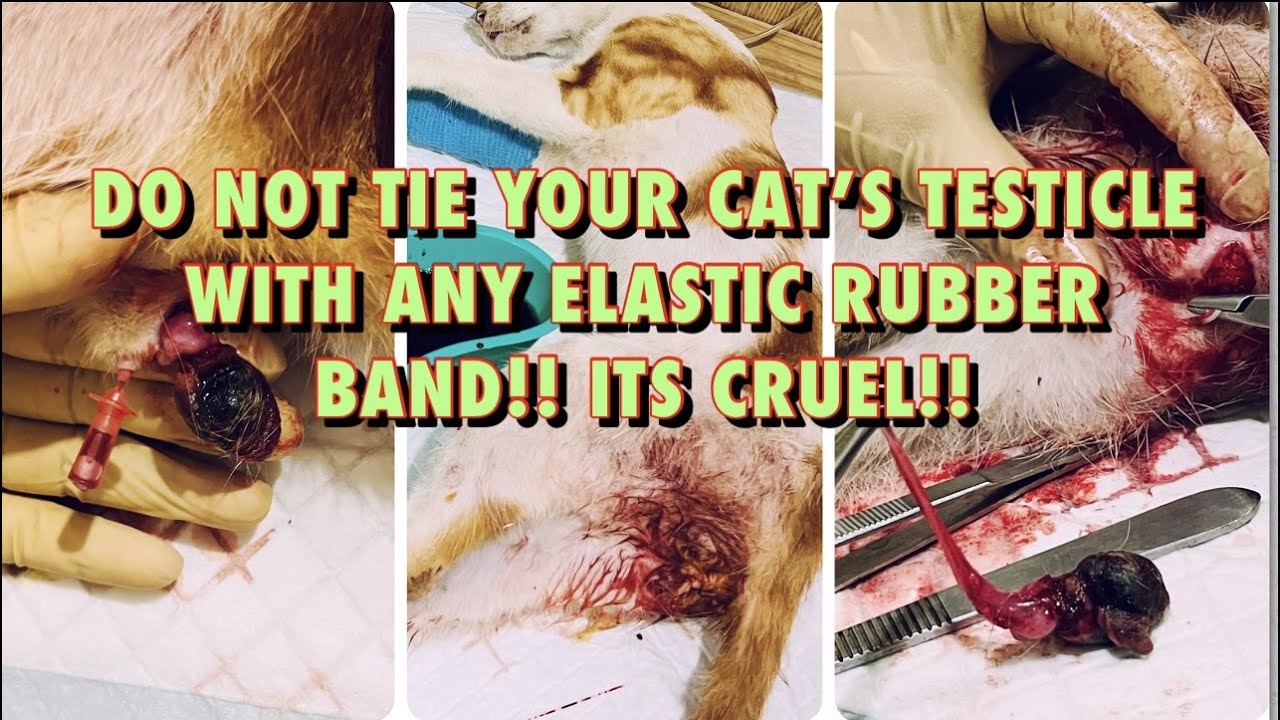
Attempting to neuter a cat at home using a rubber band carries serious risks. This is not a safe or recommended method for pet care. Many dangers can arise that harm your cat’s health and well-being. Understanding these risks helps you make better choices for your pet.
Potential Health Complications
Using a rubber band can cause severe pain and infection. The band may cut off blood flow, leading to tissue death. This can cause swelling, bleeding, and extreme discomfort. Without proper medical tools, controlling pain and bleeding is impossible. Infections may spread quickly, risking your cat’s life. Long-term damage to reproductive organs may occur.
Legal And Ethical Concerns
Performing surgery at home may break animal welfare laws. Many places require licensed vets to do neutering. DIY neutering can be seen as animal cruelty. It denies the cat proper care and anesthesia. Ethical questions arise about causing unnecessary suffering. Always consider legal rules before any medical procedure.
When To Avoid Diy Methods
Do not try DIY neutering if you lack experience or tools. Avoid if your cat shows signs of illness or distress. Emergency situations require professional veterinary help. Never use rubber bands or unsterilized objects on pets. Proper neutering needs skill, hygiene, and pain control. Leave this task to trained veterinarians for your cat’s safety.
Materials Needed
Neutering a cat at home using a rubber band requires careful preparation. Gathering the right materials is the first step to ensure safety and success. Each item plays a key role in the process. Proper tools reduce risks and help the cat stay comfortable.
Choosing The Right Rubber Bands
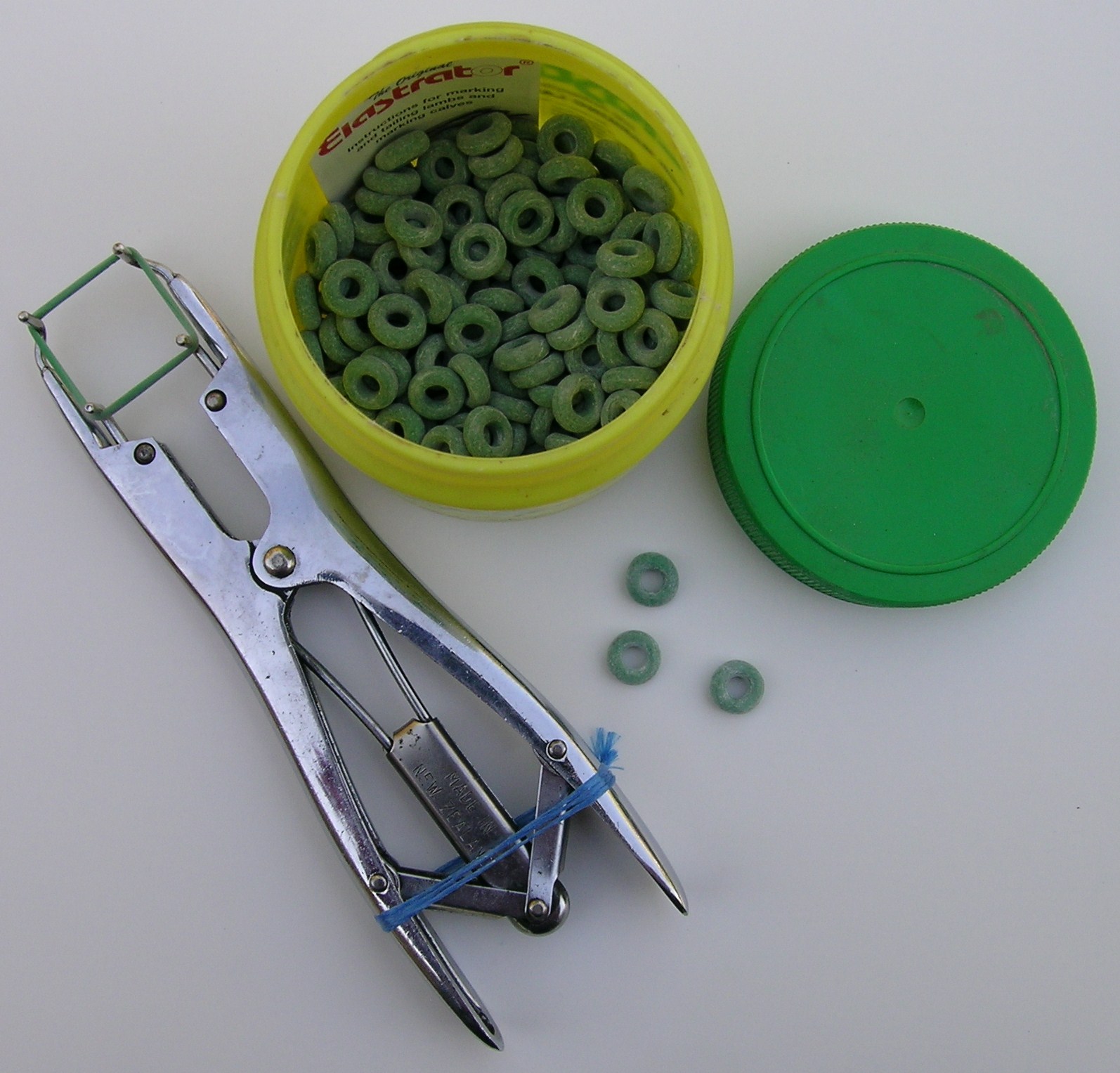
Select rubber bands that are strong but not too tight. They must be thick enough to hold securely. Avoid thin or fragile bands that can snap easily. The size should fit around the cat’s testicles without causing immediate pain. Choose natural rubber for better stretch and durability.
Additional Supplies For Safety
Prepare scissors or a small blade for trimming. Have gloves to keep your hands clean. Use a soft cloth or gauze to apply pressure if needed. Keep a small container ready for any fluids. Have a timer or watch to monitor the band’s effect over time.
Sanitization Essentials
Cleanliness is crucial to avoid infections. Use rubbing alcohol or antiseptic solution to sterilize all tools. Wash your hands thoroughly before and after the procedure. Keep the cat’s area clean and dry. Use sterile gauze to cover the area after banding.
Credit: en.wikipedia.org
Step-by-step Neutering Process
Neutering a cat at home using a rubber band is a delicate task that requires careful steps. Each step must be done correctly to ensure the cat’s safety and comfort. Follow this clear and simple guide to perform the procedure with care and attention.
Preparing The Cat
Keep the cat calm and relaxed before starting. Use a soft blanket to wrap the cat gently. This limits movement and reduces stress. Clean the cat’s genital area with warm water and mild soap. Dry the area carefully with a clean cloth. Gather all materials nearby to avoid leaving the cat alone.
Applying The Rubber Band Correctly
Choose a strong but flexible rubber band. Place the band around the base of the scrotum, above the testicles. Make sure the band is tight enough to cut off blood flow but not too tight to cause immediate pain. Position the band so it stays in place without slipping. Check frequently to monitor the cat’s reaction.
Post-procedure Care
Keep the cat in a quiet, warm place after the procedure. Watch for signs of pain or swelling. Offer fresh water and light food after a few hours. Avoid letting the cat lick or bite the treated area. Consult a vet if you notice unusual behavior or heavy bleeding. Clean the area gently if needed but avoid disturbing the band.
Signs Of Complications
Neutering a cat at home with a rubber band is risky. Watch for signs of complications carefully. Early detection can prevent serious problems. Knowing what to look for keeps your cat safe and healthy.
Recognizing Infection
Infection is a common risk after neutering. Look for redness or swelling around the area. Pus or bad smell means infection is present. The skin may feel warm or hot to touch. Your cat might lick the area more than usual. These signs need quick attention to avoid worse issues.
Behavioral Changes To Watch
Behavior changes can signal problems after the procedure. Your cat might become very quiet or hide often. Aggression or unusual irritability can also appear. Loss of appetite is another warning sign. Weakness or trouble walking shows the cat is in pain or sick. These changes tell you something is wrong.
When To Seek Veterinary Help
Contact a vet if you see any signs of infection. Sudden swelling or bleeding needs immediate care. If your cat shows severe pain or stops eating, call a vet. Difficulty breathing or vomiting requires urgent help. Do not wait. Quick veterinary care can save your cat’s life.
Alternatives To Diy Neutering
Neutering a cat at home with a rubber band is risky and can cause serious harm. Safer options exist that protect your pet’s health. These alternatives offer professional care and affordable solutions. They ensure your cat stays safe and healthy.
Professional Veterinary Services
Veterinarians provide expert care for neutering cats. They use safe, sterile tools and anesthesia. Professionals handle the procedure with skill and care. Your cat will receive pain management and follow-up care. This option reduces risks of infection and complications. It is the safest way to neuter your cat.
Low-cost Neutering Clinics
Many areas have clinics offering neutering at lower prices. These clinics work with trained vets and staff. They help pet owners who cannot afford regular vet fees. The clinics provide proper care and safe surgeries. Affordable does not mean low quality here. It is a good choice for budget-conscious pet owners.
Trap-neuter-return Programs
Trap-Neuter-Return (TNR) programs help community cats. Volunteers trap feral cats humanely and bring them to vets. After neutering, cats return to their outdoor homes. TNR controls cat populations without harm. This method improves cat health and reduces nuisance behavior. It supports a balanced, humane approach to cat care.
Preventing Future Breeding
Preventing future breeding is key after attempting to neuter a cat at home with a rubber band. This step helps avoid unwanted litters and keeps your cat healthy. Proper care and attention reduce risks and improve your cat’s well-being.
Supervision And Containment
Keep your cat indoors as much as possible. Outdoor access increases chances of meeting other cats. Close supervision stops mating behavior. Use a secure room or a crate if needed. This limits your cat’s movement and exposure to other animals.
Check the rubber band area daily for any signs of infection. Prevent your cat from licking or biting the treated area. Use a protective collar if necessary. Regular monitoring helps catch problems early. Quick action prevents complications and promotes healing.
Behavioral Training Tips
Distract your cat with toys and playtime. This lowers stress and mating urges. Reward calm behavior with treats and praise. Consistent positive reinforcement teaches your cat to relax.
Redirect your cat’s attention during restless moments. Gentle petting and soft voices help soothe anxiety. Avoid rough handling or loud noises. A calm environment supports recovery and reduces breeding instincts.
Credit: www.hataydayatirim.com
Frequently Asked Questions
Can I Safely Neuter My Cat At Home With A Rubber Band?
Neutering a cat with a rubber band is risky and not recommended by vets.
How Does The Rubber Band Method Work For Cat Neutering?
It cuts off blood flow to the testicles, causing them to shrink and fall off.
What Are The Risks Of Neutering A Cat Using A Rubber Band?
Infections, severe pain, and serious health problems can occur with this method.
How Long Does It Take For The Rubber Band Neutering To Work?
It usually takes several weeks for the testicles to dry and drop off.
Should I Use Rubber Band Neutering Instead Of Vet Surgery?
Professional surgery is safer and less painful; rubber band method is not advised.
What Signs Show Complications After Rubber Band Neutering A Cat?
Swelling, bad smell, bleeding, or extreme pain mean urgent vet care is needed.
Conclusion
Neutering a cat at home with a rubber band needs great care. This method can be risky and cause pain or infection. Always watch your cat closely after the process. If you see swelling, bleeding, or distress, get help fast.
Remember, a vet is the safest choice for neutering. Taking good care helps your cat stay healthy and happy. Think twice before trying this at home and put your cat’s safety first.
As an Amazon Associate, I earn from qualifying purchases.