Are you worried about passing your vehicle’s emissions test without a catalytic converter? You’re not alone.
Many car owners face this challenge and wonder if it’s even possible to get a clean bill of health from the inspectors. The good news is, there are smart steps you can take to improve your chances. You’ll discover practical tips and tricks that can help your car meet emission standards—even without a cat.
Keep reading, because understanding these simple strategies could save you time, money, and stress.
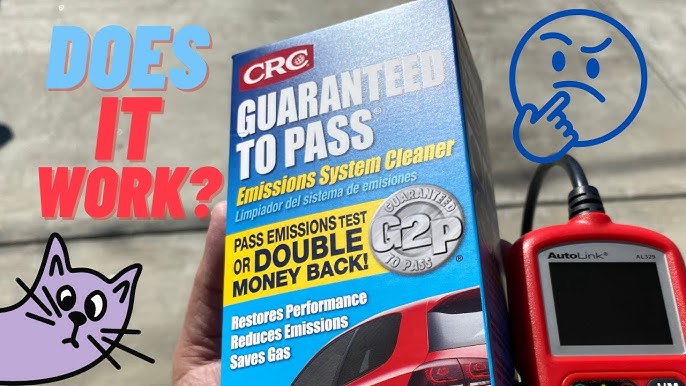
Credit: www.youtube.com
Why Catalytic Converters Matter
Catalytic converters play a key role in reducing vehicle pollution. They help clean harmful gases from the engine exhaust. Without a catalytic converter, cars release more toxic fumes into the air.
These devices convert dangerous gases like carbon monoxide and nitrogen oxides into less harmful substances. This process helps protect the environment and public health.
Many regions require vehicles to have catalytic converters for emission tests. Passing these tests means your car meets pollution standards.
How Catalytic Converters Reduce Pollution
Catalytic converters use chemical reactions to change harmful gases. They turn carbon monoxide into carbon dioxide. Nitrogen oxides change into nitrogen and oxygen. This lowers the amount of dangerous gas released.
Legal Requirements For Catalytic Converters
Most states and countries require working catalytic converters. Cars without them often fail emission tests. This can lead to fines or vehicle registration problems.
Impact On Vehicle Performance
Some believe removing the catalytic converter improves engine power. In reality, it can cause poor engine performance. It also may trigger warning lights and engine codes.
Legal Risks Of Removing The Cat
Removing the catalytic converter, or cat, can bring serious legal problems. Laws protect clean air and control vehicle emissions. Tampering with emissions equipment breaks these laws in many places.
Car owners who remove the cat risk heavy fines and penalties. Authorities can issue tickets or fail the vehicle in inspections. In some areas, driving without a cat is illegal and can lead to more trouble.
Understanding these legal risks helps drivers make informed choices. Staying within the law keeps your car road-legal and avoids costly fines.
Illegal To Remove Emission Control Devices
Removing the cat is illegal under federal and state laws. Emission control devices must stay on the car. Removing or disabling these parts breaks the law. Authorities enforce these rules to protect air quality.
Fines And Penalties For Removing The Cat
Fines for removing the cat vary but can be high. Penalties may include fines, citations, or vehicle impoundment. Repeat offenders face even stricter punishments. The costs add up quickly after removal.
Vehicle Inspection Failures
Cars without cats often fail state emission tests. Failed inspections prevent vehicle registration renewal. This stops the car from being legally driven. Passing tests requires all emission parts intact.
Impact On Vehicle Warranty And Insurance
Removing the cat can void your vehicle warranty. Manufacturers may refuse to cover engine damage. Insurance companies might deny claims after modifications. This leaves owners paying out of pocket.
Pre-inspection Vehicle Check
Before heading to an emissions test without a catalytic converter, a thorough vehicle check is vital. This step helps catch issues that can cause a failure. A good pre-inspection check improves your chances of passing. Focus on key areas that affect emissions and engine health.
Check For Exhaust Leaks
Exhaust leaks let harmful gases escape before the test. This can make your car fail. Look under the vehicle for holes or cracks. Listen for unusual sounds while the engine runs. Fixing leaks keeps emissions in control and helps the test go smoothly.
Inspect Oxygen Sensors
Oxygen sensors control how much fuel the engine uses. Faulty sensors cause poor fuel mix and more pollution. Check if sensors are clean and working. Replace any sensor that shows error codes or poor response. Healthy sensors lower emissions and improve engine efficiency.
Evaluate Engine Performance
The engine must run smoothly for low emissions. Check for rough idling, misfires, or loss of power. Use a diagnostic tool to find engine problems. Fixing spark plugs, filters, or fuel injectors helps the engine run better. A well-tuned engine releases fewer pollutants.
Credit: rislone.com
Engine Tuning Tips
Engine tuning plays a key role in passing emissions without a catalytic converter. Proper tuning helps your engine run cleaner and more efficiently. Small adjustments can reduce harmful gases and improve overall performance. Focus on these simple but effective engine tuning tips.
Adjust Air-fuel Ratio
Keep the air-fuel ratio balanced. Too much fuel creates more pollution. Too little fuel can damage the engine. Aim for a ratio close to 14.7:1 for gasoline engines. Use a wideband oxygen sensor to check the mix. Adjust fuel injection or carburetor settings accordingly.
Reset Engine Codes
Old engine codes can affect emissions tests. Clear all trouble codes before testing. Use an OBD-II scanner to reset the system. This helps the engine run fresh and smooth. Make sure no warning lights stay on after resetting.
Use High-quality Fuel
High-quality fuel burns cleaner and reduces deposits. Avoid low-grade gasoline that causes more emissions. Choose fuels with detergents to keep injectors clean. Cleaner fuel supports better combustion and fewer pollutants. It is a simple step that improves engine health.
Alternative Emission Control Devices
Alternative emission control devices offer ways to reduce pollution without a traditional catalytic converter. These devices help vehicles meet emission standards by filtering or treating exhaust gases differently. They can provide better airflow and still lower harmful emissions. Choosing the right option depends on your vehicle and local laws.
High-flow Cats
High-flow catalytic converters improve exhaust flow while cutting emissions. They use special materials to convert harmful gases into safer ones. These cats are less restrictive than standard versions. They can help your vehicle pass emission tests more easily without losing power. Many drivers prefer them for balancing performance and compliance.
Test Pipes With Resonators
Test pipes replace the catalytic converter with a pipe and resonator. The resonator reduces noise from the exhaust. This setup lets exhaust flow freely, improving engine performance. It does not filter emissions like a cat. Some areas accept them if the vehicle passes emission tests by other means. Check local rules before choosing this option.
Aftermarket Emission Filters
Aftermarket emission filters capture pollutants in the exhaust stream. They can be installed where the catalytic converter usually sits. These filters reduce harmful particles and gases. Many are designed to fit specific car models easily. They offer a way to meet emission rules without a traditional cat. Maintenance is important to keep these filters working well.
Driving Techniques Before Inspection
Proper driving techniques can help your vehicle pass an emission test without a catalytic converter. These steps prepare your engine and lower harmful emissions. Follow these tips before the inspection for better results.
Warm Up Engine Properly
Start your car and let it run for at least 10 minutes. A warm engine burns fuel more efficiently. Cold engines emit more pollutants. Warming up helps reduce the smoke and harmful gases.
Avoid Idling
Do not let your car idle for long periods before the test. Idling increases pollution and fouls the engine. Drive gently instead of sitting still. This keeps the engine clean and ready for inspection.
Drive At Steady Speeds
Maintain a steady speed during your drive before the test. Avoid rapid acceleration or hard braking. Smooth driving lowers emissions and improves engine performance. This simple habit can make a big difference.
Professional Help Options
Finding professional help can make passing an emission test easier without a catalytic converter. Experts know how to adjust your vehicle to meet standards. They use tools and knowledge that most people do not have. Choosing the right help can save time and money.
Emission Specialists
Emission specialists focus on cleaning up your car’s exhaust. They test your vehicle for pollution levels. These experts can find issues causing high emissions. They may suggest parts to repair or replace. Specialists help your car run cleaner and pass tests.
Tuning Shops
Tuning shops adjust your engine settings for better performance. They can modify air and fuel mix. This change lowers harmful gases from your exhaust. Some shops offer custom tuning for cars without cats. Tuning helps your engine run smooth and cleaner.
Temporary Fixes
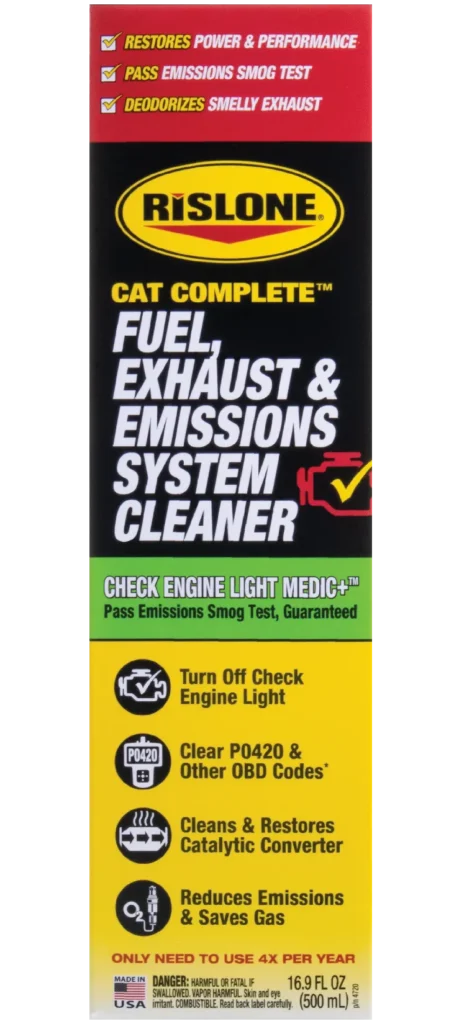
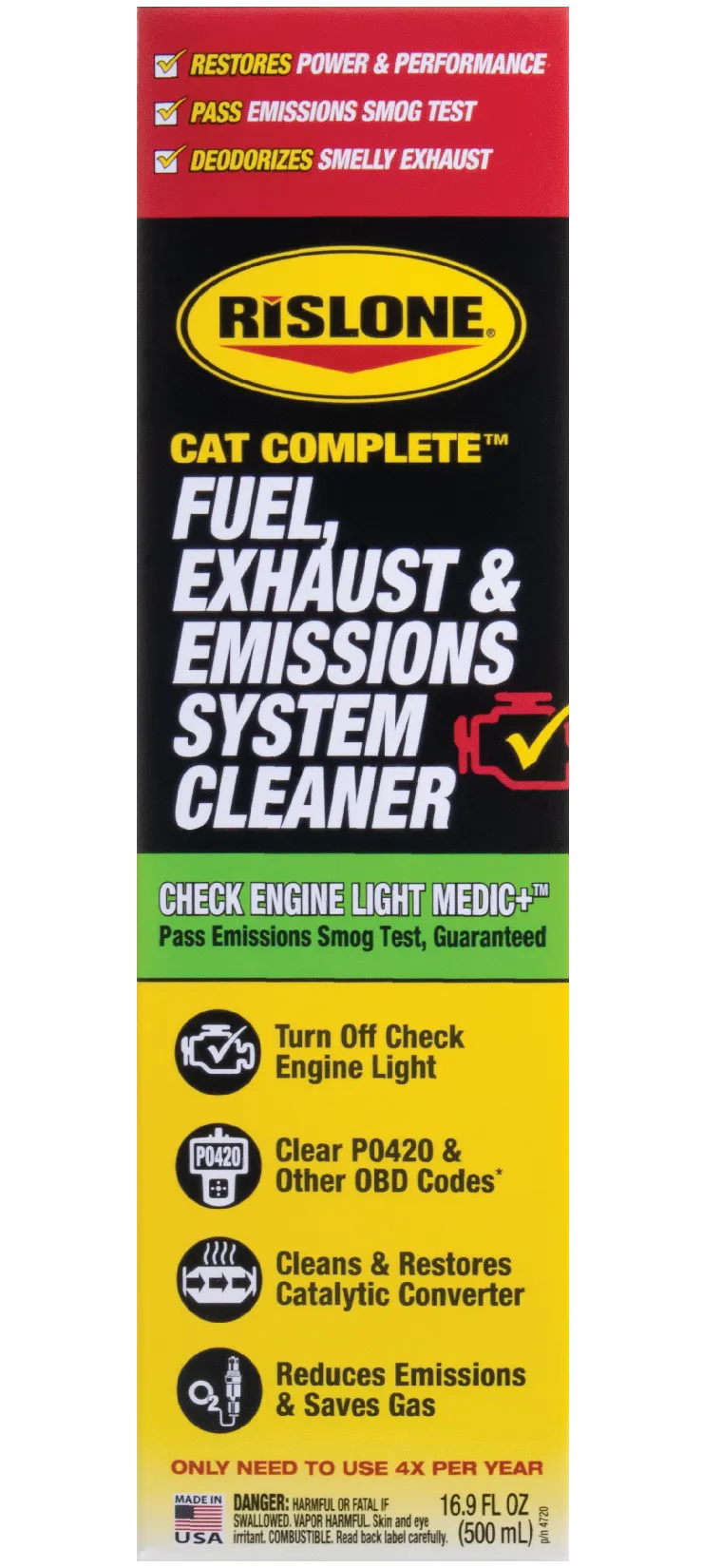
Temporary fixes can help pass an emission test. Some use special sprays or additives in the gas tank. These products reduce smoke and pollution for a short time. Others clean sensors or filters to improve readings. Temporary fixes do not solve the main problem but help in a pinch.
Credit: rislone.com
Frequently Asked Questions
How Can I Pass Emission Without A Catalytic Converter?
Keep your engine well-tuned and use high-quality fuel to reduce emissions.
Does Removing The Cat Affect Emission Test Results?
Yes, it usually causes higher emissions, making tests harder to pass.
What Are Alternatives To Passing Emission Without A Cat?
Use a high-flow catalytic converter or get an emissions exemption if eligible.
Can Engine Tuning Help Pass Emissions Without A Catalytic Converter?
Proper tuning lowers emissions and may improve chances of passing tests.
Is It Legal To Drive Without A Catalytic Converter?
In most places, driving without a cat is illegal and can lead to fines.
How Do I Reduce Emissions Without A Catalytic Converter?
Regular maintenance and using fuel additives can help reduce harmful emissions.
Conclusion
Passing emission tests without a catalytic converter can be tough but not impossible. Keep your engine clean and well-tuned for better results. Use good fuel and check your oxygen sensors regularly. Small fixes can lower pollution and help you pass tests.
Follow local laws carefully to avoid fines or issues. Stay patient and keep your vehicle in good shape. Success takes effort but is worth it in the end.
As an Amazon Associate, I earn from qualifying purchases.