If you want to keep your dog safe and easily identifiable, putting a dog tag on their collar is a must. But if you’re unsure how to do it the right way, don’t worry—you’re not alone.
Getting the tag on quickly and securely can make all the difference in an emergency. In this guide, you’ll learn simple steps that anyone can follow. By the end, you’ll feel confident that your dog’s tag is safe, comfortable, and ready to protect your furry friend.
Keep reading to discover how easy it really is!
Credit: www.youtube.com
Choosing The Right Dog Tag
Choosing the right dog tag is important for your pet’s safety and style. The tag must be easy to read and durable. It should fit well on the collar without causing discomfort. Picking the right tag helps others find your dog quickly if it gets lost.
Material Options
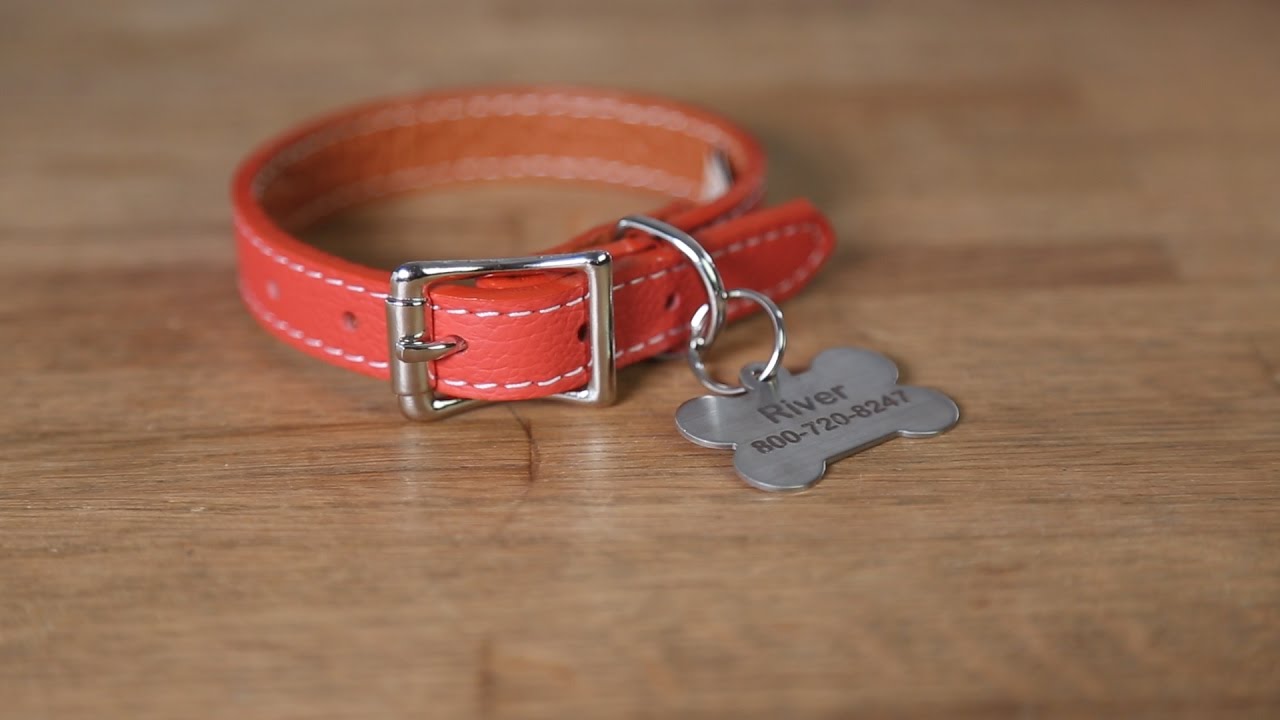
Dog tags come in many materials. Stainless steel is strong and rustproof. Aluminum tags are lightweight but less durable. Brass tags offer a classic look and resist corrosion. Plastic tags are colorful but may wear out fast. Choose a material that suits your dog’s lifestyle.
Tag Size And Shape
Tags come in various sizes and shapes. Small dogs need smaller tags to stay comfortable. Large dogs can wear bigger tags for better visibility. Common shapes include circles, bones, and hearts. Pick a shape that fits your dog’s personality and collar size.
Important Information To Include
Include clear and simple details on the tag. Your dog’s name helps strangers call them gently. Add your phone number for quick contact. You can also include your address or a secondary number. Keep the text short and easy to read at a glance.

Credit: www.thrivingcanine.com
Selecting The Ideal Collar
Selecting the ideal collar is key to putting a dog tag on your pet’s collar. The collar must fit well and hold the tag securely. It should keep your dog safe and comfortable all day. Consider the collar’s type, size, and how strong it is. These factors help you choose the best collar for your dog’s tag.
Collar Types
There are many collar types. Nylon collars are light and easy to clean. Leather collars look nice and last long. Metal chain collars are strong but can be heavy. Choose a collar type that suits your dog’s activity and needs. Some collars have extra loops for attaching tags easily.
Size And Comfort
Measure your dog’s neck before buying a collar. The collar should fit snug but not tight. You should fit two fingers between the collar and the neck. A collar too tight can hurt your dog. Too loose means the tag might fall off or get lost. Comfort helps your dog wear the collar all day.
Durability Factors
Pick a collar that lasts long and resists wear. Strong materials keep the collar safe from damage. Check the collar’s stitching and buckle quality. A weak buckle can break and lose the tag. Water-resistant collars work well for outdoor dogs. Durability keeps the dog tag safe on the collar.
Attaching The Dog Tag
Attaching a dog tag to your pet’s collar is important for their safety. It helps others identify your dog if they get lost. The process is quick and easy. This guide breaks it down into clear steps.
Tools Needed
You need a few simple tools. A key ring or split ring usually comes with the dog tag. A pair of pliers helps open and close the ring. Sometimes, your fingers are enough to attach the tag. Keep these tools close before starting.
Step-by-step Attachment
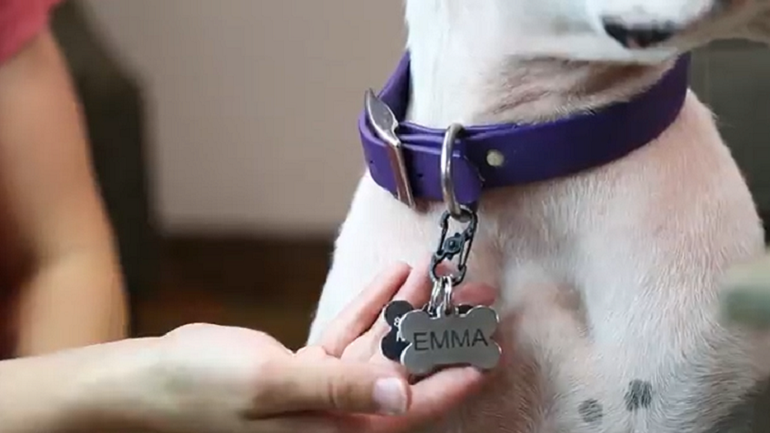
First, find the metal ring on your dog’s collar. Next, use pliers to slightly open the key ring. Slide the dog tag onto the opened ring. Attach the ring back to the collar loop. Close the ring tightly with pliers or fingers. Check that the tag can move freely but won’t fall off.
Securing The Tag Properly
Make sure the ring is fully closed. A loose ring may cause the tag to drop. The tag should hang comfortably without causing noise or irritation. Place the tag where it won’t rub your dog’s skin. Regularly check the tag’s attachment. Replace the ring if it becomes weak or rusty.
Credit: worldanimalfoundation.org
Checking The Fit And Safety
Checking the fit and safety of a dog tag on your pet’s collar is very important. A proper fit ensures the tag stays secure without causing discomfort. Safety means the tag does not harm your dog or get lost easily. This section covers key points to keep your dog safe and comfortable.
Tag Movement And Noise
The tag should move freely but not swing too much. Excessive movement can annoy your dog or cause the tag to hit objects. Loud noise from the tag can stress sensitive dogs. Choose a tag size and shape that minimizes noise and movement.
Avoiding Choking Hazards
Check that the tag is not too big or heavy for the collar. Heavy tags may cause the collar to twist or tighten. Small parts should be secure and not break off easily. Avoid tags with sharp edges that might hurt your dog’s neck or skin.
Regular Inspection Tips
Look over the collar and tag every few days. Check for signs of wear or damage. Make sure the tag is still tightly fastened and readable. Replace worn or damaged tags quickly to keep your dog safe.
Maintaining Your Dog Tag And Collar
Maintaining your dog tag and collar keeps your pet safe and comfortable. Regular care helps the collar last longer. It also keeps the tag readable and secure. Follow simple steps to clean, replace parts, and update info. This care routine protects your dog’s identity and well-being.
Cleaning Methods
Clean the collar regularly to remove dirt and sweat. Use mild soap and warm water for best results. Gently scrub with a soft brush or cloth. Rinse thoroughly and let it air dry. Avoid harsh chemicals that can damage the material. Clean the dog tag with a soft cloth to keep it shiny and readable.
Replacing Worn Parts
Check the collar for signs of wear like fraying or cracks. Replace buckles or clasps if they become weak or broken. A damaged collar can break and cause your dog to lose the tag. Choose parts that fit well and are strong. Regularly inspect the collar to ensure it stays secure and safe.
Updating Information
Keep your dog tag information current for quick identification. Update phone numbers or addresses if they change. Make sure the text is clear and easy to read. Use simple fonts and avoid overcrowding the tag. A well-updated tag helps others contact you fast in emergencies.
Frequently Asked Questions
How Do I Attach A Dog Tag To A Collar?
Open the tag ring, slide it through the collar’s D-ring, then close the tag ring tightly.
What Tools Do I Need To Put On A Dog Tag?
Usually, no tools are needed. Just use your fingers to open and close the tag ring.
Can I Put Multiple Tags On One Collar?
Yes, you can add several tags, but avoid overcrowding for your dog’s comfort.
How Tight Should The Dog Tag Ring Be?
The ring should be closed firmly to prevent loss, but not too tight to damage the collar.
How Often Should I Check My Dog’s Tag Attachment?
Check the tag and ring weekly to ensure they are secure and in good condition.
What Is The Best Position For A Dog Tag On A Collar?
Place the tag where it hangs freely near the collar’s D-ring for easy reading and comfort.
Conclusion
Putting a dog tag on a collar keeps your pet safe and easy to identify. Use the right tools and follow simple steps for a secure fit. Check the tag regularly to ensure it stays in place. A well-attached tag helps others find your dog quickly if lost.
Taking a few minutes now can save you worry later. Your dog deserves to wear their tag with comfort and safety. Easy and quick to do, this small step makes a big difference.
As an Amazon Associate, I earn from qualifying purchases.