If you have an aggressive dog, you know how tough it can be to manage their behavior. Sometimes, despite your best efforts, rehoming might feel like the only option.
But how do you do this safely and responsibly? You want to find a new home where your dog will be cared for and where everyone stays safe. You’ll discover clear, practical steps to rehome your aggressive dog the right way.
Keep reading to learn how to protect your dog’s future—and your peace of mind.
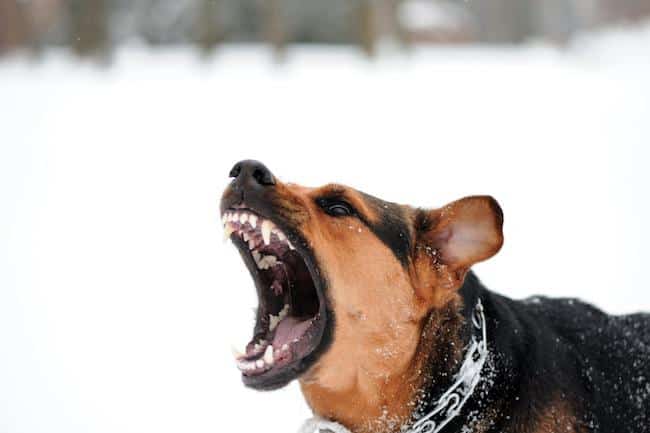
Credit: www.k9ofmine.com
Recognizing Aggression Signs
Recognizing aggression signs in a dog is key to safe rehoming. Aggression can show in many ways. Knowing these signs helps protect new owners and the dog itself. Watch closely to spot the warning signals early.
Understanding aggressive behavior makes the rehoming process smoother. It also helps find the right home for the dog’s needs and personality.
Common Aggressive Behaviors
Aggressive dogs often growl, snap, or bite. They may show stiff body posture or raised fur. Lunging or charging at people or other animals is common. Some dogs bark loudly and continuously. Avoiding eye contact or staring fixedly can also be signs. Tail position varies; it might be low and tucked or high and stiff. These behaviors warn others to keep distance.
Triggers And Warning Signals
Triggers cause the dog to react aggressively. These include loud noises, sudden movements, or unfamiliar people. Food, toys, or territory can also be triggers. Watch for warning signals like lip licking, yawning, or turning head away. Snapping the air or showing teeth signals rising tension. Early recognition of these signs helps prevent attacks. Learning triggers is crucial to handle aggression safely.
Preparing Your Dog For Rehoming
Preparing your dog for rehoming is a key step to ensure a smooth transition. It helps reduce stress for your dog and the new owner. Taking time to prepare your dog improves their chances of finding the right home. Focus on behavior and health before the move. Small efforts now lead to better outcomes later.
Behavioral Training Basics
Work on simple commands like sit, stay, and come. These skills show the dog can learn and listen. Avoid punishing your dog for aggression. Instead, reward calm and good behavior. Consistent training builds trust and reduces fear. Use short sessions to keep your dog engaged. Help your dog get used to new people and places. Socialization lowers anxiety during rehoming.
Health And Wellness Checks
Visit a vet for a full health check. Ensure vaccinations and parasite controls are up to date. Treat any injuries or illnesses before rehoming. Healthy dogs adapt better to new environments. Ask the vet for advice on managing aggressive behavior. Provide the new owner with all health records. Clear health status makes your dog more appealing. Regular grooming also helps the dog feel comfortable.
Finding The Right New Home
Finding the right new home for an aggressive dog takes care and thought. The dog’s safety and the safety of others matter most. The new owner must understand the dog’s behavior and needs. It helps to find a match that suits both the dog and the person.
Matching Temperaments
Temperament is how a dog behaves and reacts to people and animals. An aggressive dog needs a calm and patient owner. Someone who stays steady and does not scare the dog. The owner should know how to handle strong emotions in dogs.
Dogs with aggression need a home without small kids or other pets. A quiet place with few visitors is best. Matching the dog’s temperament with the owner’s lifestyle helps the dog feel safe. This match reduces stress and bad behavior.
Screening Potential Owners
Screening means checking if a person is right for the dog. Ask questions about their experience with dogs. Do they know about training and managing aggression? Do they have a safe, secure home?
Meet the person with the dog before deciding. Watch how they act around the dog. See if the dog feels calm or scared. A good owner shows patience and confidence. This process keeps the dog and people safe.
Credit: lolahemp.com
Working With Professionals
Rehoming an aggressive dog requires care and expert help. Professionals can guide you through the process safely. They understand dog behavior and how to manage aggression. Their support can make the transition easier for the dog and new owners.
Role Of Trainers And Behaviorists
Trainers and behaviorists study dog actions closely. They identify triggers that cause aggression. These experts create plans to reduce aggressive behavior. Training sessions teach dogs better ways to react. Behaviorists may also help prepare your dog for a new home. Their work increases the chance of a successful rehome.
Using Reputable Shelters And Rescues
Choose shelters with good reputations for handling aggressive dogs. Such places have staff trained in managing difficult behaviors. They assess each dog’s needs carefully. Reputable rescues match dogs with owners who understand them. These organizations provide support after adoption. Their care helps keep dogs safe and loved.
Legal And Safety Considerations
Rehoming an aggressive dog requires careful thought about legal and safety issues. These concerns protect you, the new owner, and the dog. Knowing the laws and taking safety steps help avoid serious problems. This section explains key legal duties and safety tips.
Liability And Disclosure
Owners must share full details about the dog’s behavior. Not telling about aggression can lead to legal trouble. You might be responsible for injuries or damages. Some places have strict rules on dangerous dogs. Follow these rules to stay safe and legal.
Safety Measures For Everyone
Use secure crates or leashes during transport and meet-ups. Warn the new owner clearly about triggers and warning signs. Teach safe ways to handle the dog. Keep children and strangers away during introductions. Safety helps the dog adjust and prevents accidents.
Supporting Your Dog’s Transition
Supporting your dog’s transition is key to a smooth rehoming process. Aggressive dogs often feel stressed and confused during changes. Helping them adjust with care reduces fear and builds trust. This support creates a safer environment for both your dog and the new family.
Creating A Transition Plan
Start by making a clear plan for the move. Share important details about your dog’s habits and triggers. Include feeding times, favorite toys, and calming techniques. Prepare the new home with a quiet space for your dog. This helps your dog feel safe and less anxious. A well-planned move lowers the risk of aggressive behavior.
Maintaining Consistency
Keep routines as steady as possible during the transition. Stick to the same feeding schedule and walking times. Use familiar commands and rewards your dog knows. Consistency helps your dog understand what to expect. It reduces confusion and stress. This steady approach supports positive behavior in the new home.

Credit: www.caninejournal.com
Frequently Asked Questions
How Can I Safely Rehome An Aggressive Dog?
Create a clear plan. Use a leash and muzzle for safety. Inform the new owner about behavior.
What Should I Tell The New Owner About Aggression?
Describe triggers, warning signs, and effective calming methods. Honesty helps manage expectations.
Where Is The Best Place To Rehome An Aggressive Dog?
Choose rescue groups or trainers experienced with aggressive dogs. Avoid shelters without behavior support.
How To Prepare My Aggressive Dog For Rehoming?
Keep routines stable. Use calming techniques. Avoid stressful situations before the move.
Can Training Help Reduce Aggression Before Rehoming?
Basic training improves behavior. Professional help is often needed for serious aggression.
What Questions Should I Ask Potential Adopters?
Ask about experience with aggressive dogs, home environment, and willingness to follow behavior plans.
Conclusion
Rehoming an aggressive dog takes patience and care. Always prioritize safety for everyone involved. Find a home that understands the dog’s needs well. Clear communication helps avoid future problems. Trust and respect build a better relationship. Remember, this process can take time.
Stay calm and stay hopeful throughout. Your effort can change a dog’s life. Choose kindness and responsibility as your guide. The right home is out there waiting.
As an Amazon Associate, I earn from qualifying purchases.