Thinking about how to rehome your cat can feel overwhelming and emotional. You want to make sure your furry friend finds a loving, safe new home.
But where do you start? What steps should you take to ensure your cat’s happiness and well-being? You’ll discover simple, practical advice to guide you through the process. By the end, you’ll feel confident that you’re making the best choice for both you and your cat.
Keep reading to find out how to make rehoming your cat as smooth and caring as possible.
Assessing Your Cat’s Needs
Assessing your cat’s needs is the first step before rehoming. It helps find the best new home. Understanding your cat’s situation makes the process smoother. It ensures your cat’s well-being in the new environment.
Careful assessment avoids future problems. It helps match your cat with the right family. This section guides you through important points to consider.
Evaluating Reasons For Rehoming
Write down why you want to rehome your cat. Is it due to moving, allergies, or lifestyle changes? Clear reasons help explain your decision to new owners. It shows you care about your cat’s future.
Consider if the reason is temporary or permanent. Temporary reasons may allow your cat to stay longer. Permanent reasons mean finding a new family soon is best.
Considering Your Cat’s Personality
Think about your cat’s behavior and habits. Is your cat shy, playful, or independent? Personality affects how well your cat adjusts to a new home. Matching personality with the new owner’s lifestyle is key.
Note any favorite toys or routines. These details help new owners create a familiar space. It reduces stress for your cat during change.
Health And Behavioral Check
Check your cat’s health status before rehoming. Visit a vet to confirm vaccinations are current. Identify any health issues that need care. This information is important for the new owner.
Observe your cat’s behavior. Look for signs of stress or aggression. Honest information helps new owners prepare and support your cat well.
Preparing For Rehoming
Preparing your cat for rehoming takes time and care. It helps your cat adjust to the new home. It also helps new owners learn about your cat quickly. This preparation makes the rehoming process smooth and less stressful for everyone.
Start by gathering all important information about your cat. Then update your cat’s ID details. Finally, create a clear profile to share with potential adopters. Each step is important to give your cat the best chance at a happy new life.
Gathering Medical Records
Collect all health documents about your cat. Include vaccination history, vet visits, and any treatments. Keep records of spaying or neutering too. These papers show that your cat is healthy and cared for. New owners will trust you more with this information.
Updating Identification
Check your cat’s ID tags and microchip details. Make sure the contact info is current. Update the address and phone number if needed. Clear ID helps to find your cat if it gets lost. It also reassures the new owner about your cat’s safety.
Creating A Profile For Your Cat
Write a simple profile about your cat’s personality. Include likes, dislikes, and habits. Mention favorite toys, foods, and routines. Add any special needs or health concerns. A good profile helps new owners understand your cat better. It makes the transition easier for both sides.
Finding Potential New Owners
Finding the right new owner for your cat takes time and care. You want someone who will love and care for your pet. Start by thinking about people you know and places to share your cat’s story. This helps your cat find a safe and happy home.
Asking Friends And Family
Friends and family know you and your cat well. They understand your cat’s personality and needs. Tell them you want to rehome your cat. They might want to adopt or know someone who does. This way, your cat stays close to people you trust.
Using Social Media Safely
Social media can reach many people quickly. Share clear photos and honest details about your cat. Avoid giving too much personal information. Use privacy settings to control who sees your post. Watch for serious and kind potential owners only.
Reaching Out To Local Rescue Groups
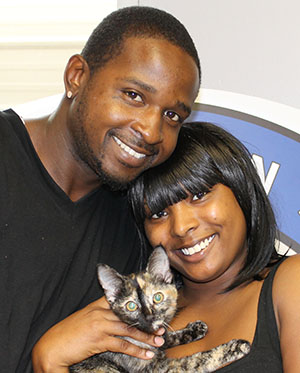
Local rescue groups help cats find good homes. Contact them and explain your situation. They can offer advice or take your cat in. These groups often check new owners carefully. This helps your cat find a safe and loving home.
Credit: www.greenvillecounty.org
Screening Prospective Homes
Screening prospective homes is a crucial step in rehoming your cat. It helps ensure your pet moves to a safe and loving environment. Careful screening protects your cat’s well-being and happiness. Taking time here reduces future problems for both your cat and the new owner.
Interviewing Potential Adopters
Talk to each potential adopter carefully. Ask about their experience with cats and daily routine. Find out if they have other pets and how they get along. Learn about their home environment and who lives there. Clear questions help you understand their readiness to care for your cat. Trust your instincts when listening to their answers.
Home Visit Considerations
Visit the adopter’s home before making a decision. Check for safety hazards like open windows or toxic plants. Look for quiet spaces where your cat can rest and feel safe. Notice if the home is clean and well-maintained. A calm, secure environment suits most cats best. A home visit shows the adopter’s commitment and helps you feel confident.
Ensuring Long-term Commitment
Make sure adopters understand the lifelong responsibility of caring for a cat. Ask how they plan to handle health care and emergencies. Talk about their plans for vacations or moving. A firm commitment means your cat will have stable care. Consider asking for updates or photos after adoption. This step keeps your cat’s future secure and happy.
Making The Transition Smooth
Making the transition smooth helps your cat feel safe and calm. Moving to a new home can be scary for cats. They need time and care to adjust well. A gentle approach reduces stress and helps your cat settle quickly. Follow these steps to make the change easier.
Introducing Your Cat To The New Environment
Start by letting your cat explore a small, quiet room. Keep the door closed to limit the space. This helps your cat feel safe and not overwhelmed. Spend time with your cat in the room. Let them sniff and see the new space at their own pace. Slowly open more rooms after your cat feels comfortable.
Providing Comfort Items
Bring your cat’s favorite bed, toys, and blanket. These items carry familiar smells and bring comfort. Place them in the new room right away. A familiar scent helps reduce anxiety. Also, keep the feeding and litter areas the same. Consistency in these things makes your cat feel secure.
Sharing Care Instructions
Write clear notes about your cat’s daily routine. Include feeding times, favorite foods, and medicine needs. Describe your cat’s habits and personality traits. This helps new caretakers understand your cat better. Good care information supports a smooth, happy transition.
Legal And Ethical Considerations
Rehoming a cat involves more than just finding a new home. Legal and ethical issues matter a lot. These points protect you, your cat, and the new owner. Understanding these rules helps avoid problems later.
Always act with care and honesty. Your cat’s safety and well-being come first. Knowing the laws and ethical duties makes the process smooth and fair.
Understanding Rehoming Laws
Different places have different rules about rehoming pets. Some areas require paperwork or permission. Learn the rules in your town or state. Ignoring laws can cause trouble or fines.
Check if you need a license to transfer your cat. Some places ask for health records or vaccinations. Keep all documents ready. It shows you are responsible and honest.
Avoiding Scams And Fraud
Rehoming online can bring risks. Scammers may pretend to want your cat. They might ask for money or personal info. Always verify the new owner’s identity.
Meet potential adopters in person. Ask questions about their home and pet experience. Trust your instincts. If something feels wrong, stop the process.
Considering Adoption Contracts
Adoption contracts protect both you and the new owner. They set clear rules about care and responsibility. Include details about vet visits, food, and safe environment.
Contracts can prevent misunderstandings. They help ensure your cat stays in a good home. Use simple language. Make sure the adopter agrees to all terms.
Alternatives To Rehoming
Rehoming a cat is a big decision. Sometimes, it feels like the only choice. Yet, other options exist to help keep your cat safe and happy. These alternatives may solve problems without giving up your pet. Explore these ideas before making a final decision.
Temporary Foster Care
Temporary foster care offers a short-term solution. A trusted friend or family member cares for your cat. This option helps during busy or difficult times. It keeps your cat in a familiar environment. You can bring your cat back when ready.
Behavioral Training Resources
Behavior problems often cause rehoming thoughts. Many resources help improve cat behavior. Trainers and behaviorists provide advice and support. Simple changes can ease stress for you and your cat. Training strengthens your bond and builds trust.
Support From Animal Welfare Organizations
Animal welfare groups offer help beyond adoption. They provide advice, resources, and sometimes financial aid. These organizations understand common cat issues. They guide you to solutions that keep your cat at home. Reach out for expert support and care options.

Credit: www.reddit.com

Credit: www.reddit.com
Frequently Asked Questions
How Do I Prepare My Cat For Rehoming?
Start by visiting the vet for a health check and vaccinations. Keep familiar items for comfort.
Where Can I Find A Good New Home For My Cat?
Try trusted friends, family, or local animal shelters. Online pet rehoming sites also help.
What Information Should I Share About My Cat?
Include age, health, behavior, diet, and vet records. Be honest to find the best match.
How Do I Introduce My Cat To A New Family?
Let the new family meet your cat slowly. Share care tips to ease the transition.
Is It Safe To Rehome My Cat Online?
Yes, but verify the adopter’s details carefully. Use trusted websites with good reviews.
Can I Take My Cat Back If Rehoming Fails?
Discuss this with the new owner beforehand. Some may agree to return if needed.
Conclusion
Rehoming your cat takes care and patience. Find a safe, loving home for your pet. Share your cat’s story clearly with others. Ask friends or family if they can help. Visit potential new owners to see their home. Keep your cat’s routine as normal as possible.
This helps your cat feel less stressed. Remember, your cat deserves kindness and respect. Take your time to make the right choice. Your effort will give your cat a happy life.
As an Amazon Associate, I earn from qualifying purchases.