If you’re tired of seeing cat hair floating around your home and clogging up your air, you’re not alone. Cat hair in the air can cause allergies, make your space look messy, and even affect your breathing.
But don’t worry—removing it doesn’t have to be a struggle. You’ll discover simple and effective ways to clear the air and enjoy a fresher, cleaner home. Keep reading, because the solution is easier than you think!
Sources Of Cat Hair In Air
Cat hair in the air can be a common problem for many pet owners. Understanding where this hair comes from helps reduce its presence. Cats naturally shed hair, and this loose hair can float around your home. Some areas in your house are more likely to have airborne cat hair than others. Knowing these sources can make cleaning easier and more effective.
Shedding Patterns
Cats shed hair throughout the year. Some breeds shed more during certain seasons. Hair falls off mostly when cats groom themselves. The loose hair then drifts into the air. Shedding increases during spring and fall. This is because cats lose their thick winter or summer coats. Regular brushing can reduce loose hair. Still, some hair will become airborne inside your home.
Common Areas For Hair Dispersal
Cat hair often collects in places cats visit most. Beds, sofas, and chairs are common spots. Hair also gathers near windows and vents. Air movement spreads hair from these areas. Floors and carpets trap loose hair too. When you walk or clean, hair lifts into the air. Even your clothes can carry cat hair around your house.
Air Purifiers And Filters
Cat hair in the air can cause sneezing, allergies, and discomfort. Air purifiers and filters help clean the air in your home. They catch tiny particles, including cat hair and dander. Using the right air purifier makes a big difference in air quality.
Choosing The Right Air Purifier
Pick an air purifier designed for pet owners. Look for models with strong suction and large coverage areas. Check the Clean Air Delivery Rate (CADR) for effectiveness. Choose a size that fits your room well. Smaller units may not remove all pet hair from the air. Quiet operation helps if you use it in bedrooms or living rooms.
Hepa Filters Benefits
HEPA filters trap 99.97% of particles as small as 0.3 microns. This size includes most pet hair and dander. HEPA filters improve air quality by capturing allergens and dust. They reduce sneezing and breathing problems. Replace filters regularly for best performance. HEPA filters work silently, making them good for daily use.
Cleaning Techniques
Cleaning techniques play a big role in removing cat hair from the air and surfaces. Regular cleaning helps reduce hair buildup and keeps your home fresh. Using the right tools makes this job easier and faster. Here are two effective methods to try.
Vacuuming With Pet Hair Attachments
Vacuum cleaners with pet hair attachments work well to remove cat hair. These tools have special brushes that catch hair better. They reach deep into carpets and furniture. Use slow, steady strokes for best results. Clean your vacuum filter often to keep it strong. This method cuts down on hair in the air and on surfaces.
Using Lint Rollers And Brushes
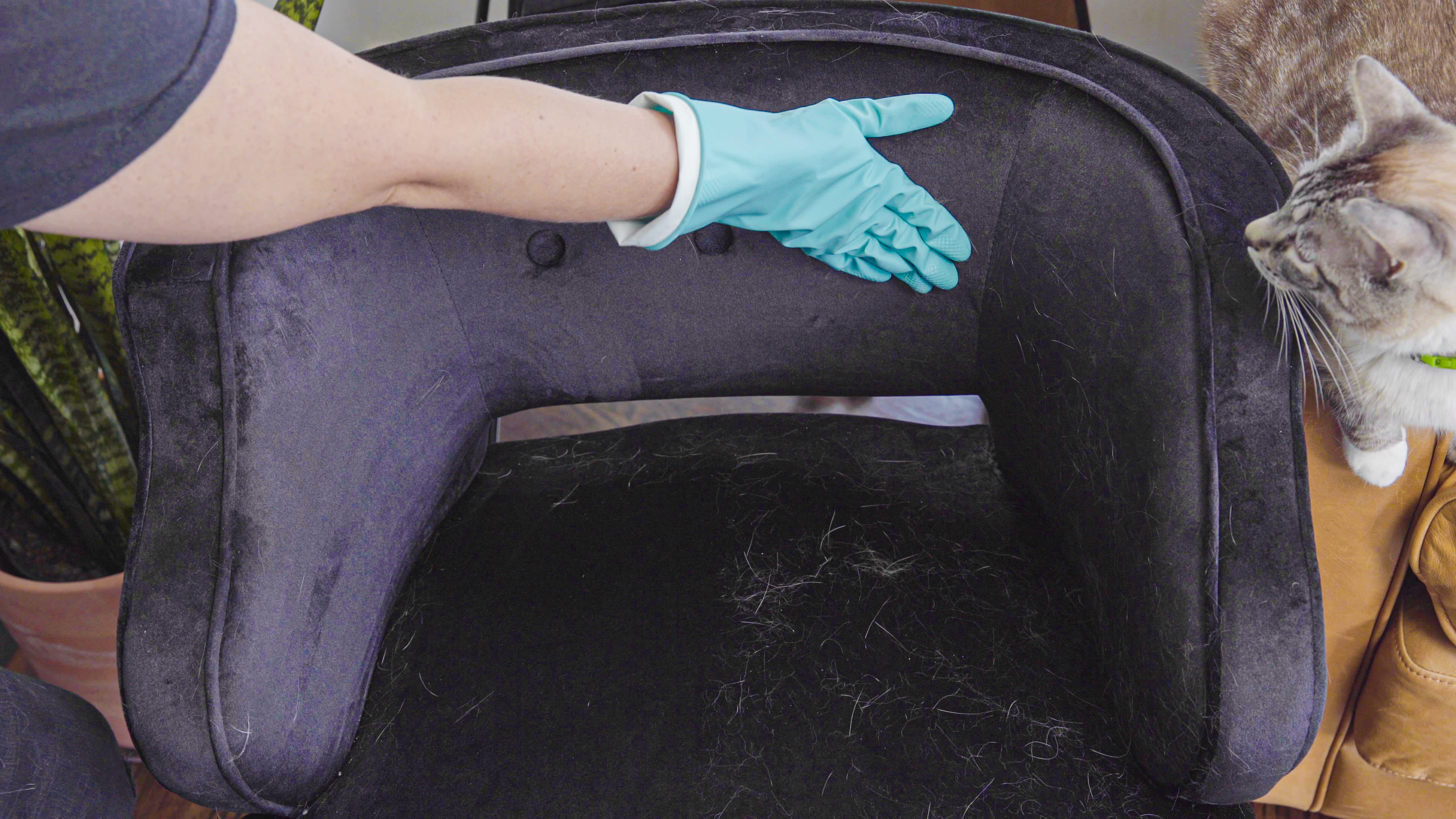
Lint rollers are simple and effective for quick cleaning. Roll them over clothes, furniture, and curtains. Sticky sheets pick up loose hair fast. Brushes with rubber bristles also help pull hair from fabrics. Use them in circular motions to gather hair into clumps. These tools work well for small areas and daily touch-ups.
Credit: www.csijamhospital.com
Humidity And Ventilation
Humidity and ventilation play a big role in controlling cat hair in the air. Dry air makes hair float more and settle slowly. Proper humidity helps hair stick to surfaces, making it easier to clean. Good airflow moves hair out and brings fresh air in. This reduces the amount of hair you breathe every day.
Using Humidifiers To Reduce Hair In Air
Humidifiers add moisture to dry indoor air. This moisture makes cat hair heavier and less likely to float. The hair then falls on floors or furniture where you can clean it. Running a humidifier during dry months helps keep the air comfortable. It also lowers airborne pet hair, making your home cleaner.
Improving Airflow Indoors
Open windows to let fresh air move through your home. Fans can help push stale air outside and bring in clean air. Use exhaust fans in kitchens and bathrooms to improve air movement. Proper airflow prevents hair from staying in the air for long. It helps keep the air fresh and reduces pet hair buildup.
Regular Grooming Habits
Regular grooming habits help keep cat hair under control. These habits reduce loose fur that floats in the air. Grooming also keeps your cat’s coat healthy and shiny. A clean cat sheds less, which means less hair around your home. Consistent care makes a big difference in managing pet hair indoors.
Brushing Your Cat Frequently
Brushing your cat often removes loose hairs before they spread. Use a brush made for your cat’s fur type. Brush gently to avoid hurting your pet. Regular brushing reduces shedding and stops hair from flying in the air. Set a routine to brush your cat daily or several times a week.
Bathing Tips To Minimize Shedding
Bathing your cat can help reduce shedding. Use a mild cat shampoo to protect their skin. Make sure water is warm and comfortable. Bathing loosens dead fur, which you can rinse away. Dry your cat well after the bath to prevent skin problems. Limit baths to once a month to avoid drying out the skin.

Credit: www.csijamhospital.com
Preventive Measures
Preventive measures help reduce cat hair in the air. Taking steps early cuts down on cleaning time later. It keeps your home cleaner and air fresher. Small changes make a big difference in managing cat hair.
Designating Cat-free Zones
Set specific areas where cats are not allowed. This limits where hair can spread in your home. Bedrooms and living rooms make great cat-free zones. Use baby gates or closed doors to keep cats out. These zones reduce the amount of hair in the air. Visitors will also appreciate cleaner spaces without cat hair.
Choosing Pet-friendly Furniture
Pick furniture that resists cat hair and is easy to clean. Leather and tightly woven fabrics work best. Avoid plush or velvet materials that trap hair. Use washable slipcovers on sofas and chairs. This helps remove hair quickly with a simple wash. Pet-friendly furniture keeps hair from floating around the room.
Credit: www.reddit.com
Frequently Asked Questions
How Can I Remove Cat Hair From The Air Quickly?
Using an air purifier with a HEPA filter helps trap cat hair and improves air quality fast.
Does A Vacuum Help Remove Cat Hair From The Air?
Vacuums with HEPA filters can reduce airborne cat hair by cleaning floors and surfaces.
What Household Items Remove Cat Hair From The Air?
Damp microfiber cloths and air purifiers are effective at catching and reducing cat hair in the air.
How Often Should I Clean To Reduce Cat Hair In Air?
Cleaning floors, furniture, and filters twice a week helps keep cat hair from floating in the air.
Can Plants Help Reduce Cat Hair In The Air?
Some houseplants improve air quality but do not remove cat hair directly from the air.
Is Regular Grooming Important To Reduce Cat Hair In Air?
Yes, grooming your cat daily lowers loose hair and reduces the amount of hair in the air.
Conclusion
Removing cat hair from the air helps keep your home clean and healthy. Use air purifiers and regular cleaning to reduce hair and dust. Ventilate rooms often to bring fresh air inside. Groom your cat regularly to cut down loose hair.
Small steps make a big difference over time. Enjoy a fresher space with less cat hair floating around. Simple habits keep your air clearer and your home more comfortable. Stay consistent, and you will see good results soon.
As an Amazon Associate, I earn from qualifying purchases.