Traveling with your cat can be stressful—for both of you. You want your furry friend to stay calm and comfortable, but sudden movements and unfamiliar places can make them anxious.
If you’re wondering how to sedate your cat for travel safely, you’re in the right place. This guide will help you understand the best methods to keep your cat relaxed without risking their health. Keep reading to discover simple, effective tips that make every trip easier for you and your beloved pet.
Credit: lanevet.com
Preparing Your Cat For Travel
Preparing your cat for travel is important for a smooth trip. Cats feel safe in familiar spaces. Getting them used to travel gear reduces stress. Planning ahead helps your cat stay calm and relaxed. This section covers how to prepare your cat before the journey.
Choosing The Right Carrier
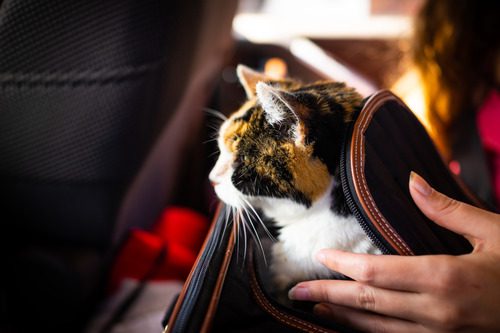
Pick a carrier that fits your cat comfortably. It should be big enough for movement but cozy. Soft-sided carriers are lighter and easy to carry. Hard-sided carriers offer more protection. Look for carriers with good ventilation and secure locks. Your cat should feel safe inside the carrier.
Acclimating Your Cat To The Carrier
Place the carrier in your cat’s favorite room. Leave the door open so your cat can explore. Put treats, toys, or blankets inside to make it inviting. Let your cat enter and exit freely for several days. This builds positive feelings about the carrier. Try short practice trips in the carrier to build comfort.
Packing Essentials For The Trip
Bring your cat’s food and water for the trip. Pack familiar blankets or toys to provide comfort. Include a small litter box for long journeys. Carry any medications your cat needs. Have a leash or harness ready for safety outside the carrier. Prepare cleaning supplies for accidents. Being ready helps your cat feel secure.
Credit: cats.com
When To Consider Sedation
Travel can be stressful for cats. Sometimes, sedation helps make the trip calmer. Knowing when to consider sedation is important. It is not always necessary, but certain signs show when it might help your cat.
Signs Of Travel Anxiety In Cats
Cats show many signs of anxiety during travel. They may meow loudly or hide in their carrier. Some cats drool or pant heavily. Others might scratch or try to escape. Shaking or trembling can also happen. These signs mean your cat feels scared or stressed.
Notice if your cat refuses to eat or drink before travel. This behavior shows nervousness. If your cat has a history of panic during car rides, sedation might be an option. Watch closely for these signs before deciding.
Consulting Your Veterinarian
A vet can help decide if sedation is safe. They know your cat’s health history and risks. Discuss your cat’s travel plans with the vet early. The vet can suggest the best sedation method and dose. They may also offer alternatives to sedation.
Never give human medicines to your cat. Only use vet-approved sedatives. Your vet’s guidance ensures your cat stays safe and calm during travel.
Safe Sedation Options
Travel can be stressful for cats. Safe sedation helps calm them during the trip. Choosing the right sedation option is important for your cat’s health and comfort.
Always consult your vet before using any sedative. Some medications work better for certain cats. Dosage and timing matter a lot. Proper sedation reduces anxiety and motion sickness.
Common Sedatives For Cats
Veterinarians often prescribe mild sedatives for travel. Drugs like Acepromazine and Gabapentin are popular choices. These help reduce anxiety and keep cats calm.
Acepromazine is a strong sedative but can cause low blood pressure. Gabapentin calms nerves and is gentler for most cats. Dosage depends on your cat’s weight and health.
Use only vet-approved sedatives. Never give human medicine to cats. Side effects can include drowsiness, nausea, and loss of coordination. Monitor your cat closely during travel.
Natural Remedies And Alternatives
Natural options are safer for some cats. Products with ingredients like chamomile, valerian root, or lavender can soothe nerves. These do not cause strong sedation but ease anxiety.
Feliway sprays mimic cat pheromones and create a calm environment. Herbal supplements and calming treats also help relax cats gently. These alternatives have fewer risks and side effects.
Try natural remedies days before travel to see how your cat reacts. Combine them with a comfortable carrier and soft bedding. A calm space reduces stress without drugs.
Administering Sedatives Safely
Giving sedatives to a cat before travel requires careful attention. Safety is the top priority. Cats react differently to medicines. Proper care ensures a calm journey and keeps your pet safe.
Correct Dosage Guidelines
Always use the dose prescribed by your vet. Too much can harm your cat. Too little may not work. Never guess the amount. Use a proper measuring tool for accuracy. Follow the vet’s instructions strictly. Keep the sedative out of reach of children.
Timing Sedation Before Travel
Give the sedative at the right time. It usually works best 30 to 60 minutes before travel. Early dosing may wear off during the trip. Late dosing can make the cat too sleepy. Watch your cat’s behavior after giving the medicine. Adjust timing based on your vet’s advice.
Monitoring Your Cat During Travel
Monitoring your cat during travel is very important. Sedation can change how your cat acts and feels. Careful watching helps catch problems early. It keeps your cat safe and calm.
Recognizing Side Effects
Know common side effects of sedation. Your cat may feel sleepy or dizzy. Watch for heavy breathing or vomiting. Look for unusual behavior like restlessness or aggression. These signs need quick attention.
Keeping Your Cat Comfortable
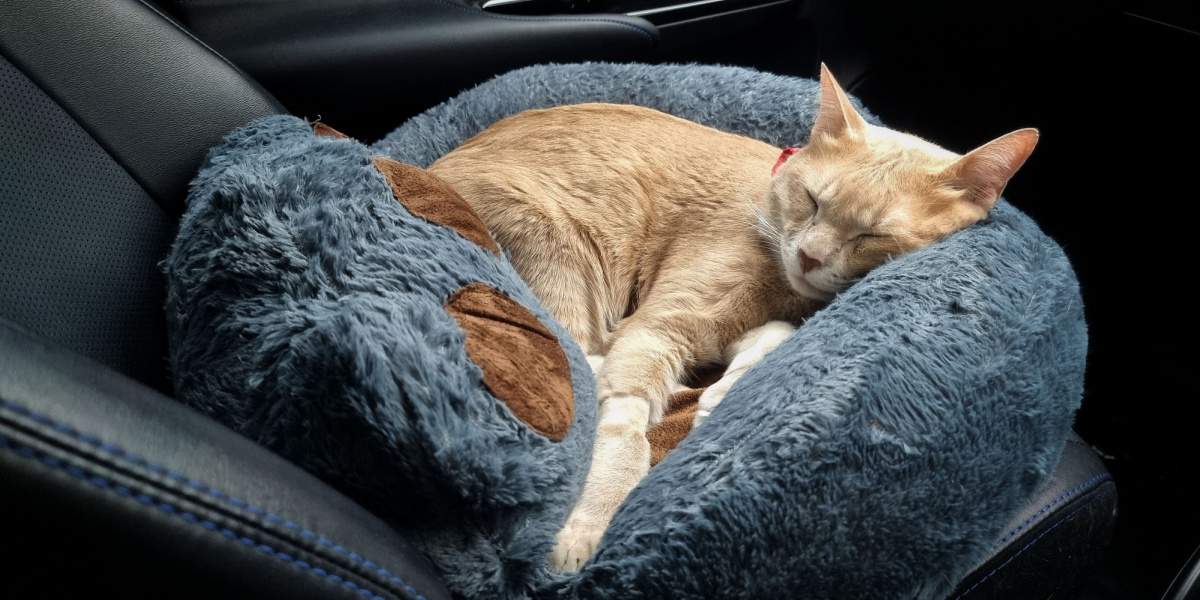
Make the travel space cozy and quiet. Use soft bedding to help your cat relax. Keep the temperature steady, not too hot or cold. Speak softly to calm your cat. Avoid loud noises and sudden movements.
Post-travel Care
After sedating your cat for travel, care does not end at your destination. Post-travel care is vital to help your cat feel safe and calm. Your pet needs time to recover from sedation and adjust to new surroundings. Proper care reduces stress and supports your cat’s health.
Helping Your Cat Recover
Your cat may feel tired or groggy after sedation. Provide a quiet, cozy space for rest. Keep water and food nearby but offer small amounts at first. Watch for any unusual behavior or signs of discomfort. Avoid loud noises and sudden movements to promote calmness. Monitor your cat until fully alert and active again.
Managing Stress After Arrival
New places can make cats anxious. Let your cat explore the area slowly and safely. Use familiar toys or blankets to create comfort. Speak softly and offer gentle pets to reassure your pet. Maintain regular feeding and playtime routines. Patience and calmness help your cat settle more quickly.

Credit: www.rover.com
Frequently Asked Questions
How Can I Safely Sedate My Cat For Travel?
Consult your vet for the right sedative and dosage tailored to your cat’s health.
What Are Natural Ways To Calm Cats During Trips?
Use pheromone sprays, familiar blankets, and gentle music to relax your cat naturally.
Is Sedation Necessary For All Cats During Travel?
Not all cats need sedation; it depends on their stress level and travel length.
How Long Before Travel Should I Give My Cat Sedatives?
Give sedatives as advised by your vet, usually 30-60 minutes before the trip.
Can Sedating Cats Cause Side Effects During Travel?
Sedatives may cause drowsiness or unsteady movement; monitor your cat closely for any issues.
What Should I Avoid When Sedating My Cat For Travel?
Never use human medications or give sedatives without vet approval; it can be dangerous.
Conclusion
Sedating your cat for travel can ease stress and ensure safety. Always talk to your vet before giving any medicine. Follow the vet’s advice carefully for the right dosage. Watch your cat closely during the trip for any signs of discomfort.
Keep your cat calm with familiar items like toys or blankets. Travel can be tough for pets, but proper preparation helps a lot. Your cat’s comfort and health come first on every journey. Safe travels start with gentle care and smart planning.
As an Amazon Associate, I earn from qualifying purchases.