Sizing a dog muzzle might seem simple, but getting it right is key to your dog’s comfort and safety. If the muzzle is too tight, your dog will feel stressed and uneasy.
If it’s too loose, it won’t work properly. You want to make sure your furry friend can breathe, pant, and drink water without any trouble. In this guide, you’ll learn exactly how to measure your dog the right way and choose a muzzle that fits perfectly.
Keep reading, and you’ll avoid common mistakes that many dog owners make – ensuring your dog stays happy and safe every time they wear a muzzle.
Credit: mikkipet.com
Choosing The Right Muzzle Type
Choosing the right muzzle type is important for your dog’s comfort and safety. The correct muzzle helps your dog breathe, pant, and drink water while wearing it. Different muzzles serve different needs. Knowing the types makes sizing easier and more effective.
Basket Vs Soft Muzzles
Basket muzzles have a hard frame that keeps the mouth open. They allow dogs to pant and drink easily. Soft muzzles are made from fabric and fit tightly around the nose. They stop biting but limit panting and drinking. Basket muzzles suit longer use. Soft muzzles are good for short periods.
Material Options
Muzzles come in leather, nylon, rubber, and plastic. Leather is strong and comfortable but needs care. Nylon is light and cheap but less durable. Rubber is flexible and soft but can smell. Plastic baskets are firm and easy to clean. Choose material based on your dog’s skin and activity level.
Purpose-based Selection
Think about why you need a muzzle. For training or vet visits, a soft muzzle may work. For walks in busy places, a basket muzzle is safer. For aggressive dogs, a strong material and secure fit matter most. Match the muzzle type to your dog’s behavior and situation.
Credit: leerburg.com
Measuring Your Dog Accurately
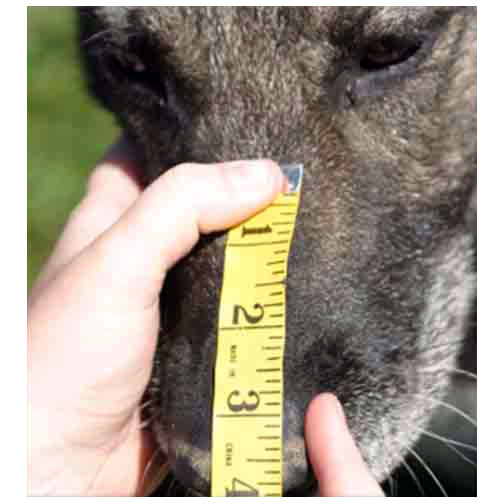
Getting the right size for a dog muzzle starts with accurate measurements. A well-fitting muzzle keeps your dog safe and comfortable. It stops biting or chewing without hurting your dog. Taking the right measurements helps you avoid buying a muzzle that is too tight or loose. Use a soft tape measure for the best results. Take each measurement carefully, and measure twice to be sure.
Measuring Snout Length
Measure from the tip of your dog’s nose to just below the eyes. This length shows how long the muzzle should be. Avoid measuring past the eyes because the muzzle must fit below them. Keep the dog calm and still during this step. Record the length in inches or centimeters.
Measuring Snout Circumference
Wrap the tape measure around the widest part of the dog’s snout. Usually, this is just below the eyes and above the nose. Make sure the tape is snug but not tight. This measurement ensures the muzzle fits around the snout comfortably. Write down the size clearly for reference.
Measuring Snout Width
Measure across the widest part of the dog’s snout from side to side. This shows how wide the muzzle needs to be. Keep the tape straight and level for accuracy. Do not squeeze the snout while measuring. This width helps prevent the muzzle from feeling too tight or narrow.
Matching Measurements To Muzzle Sizes
Matching your dog’s measurements to the right muzzle size is key for comfort and safety. A well-fitted muzzle prevents slipping and allows your dog to pant and drink water. Accurate sizing avoids discomfort and stress for your pet. Follow these tips to match measurements with muzzle sizes effectively.
Using Manufacturer Size Charts
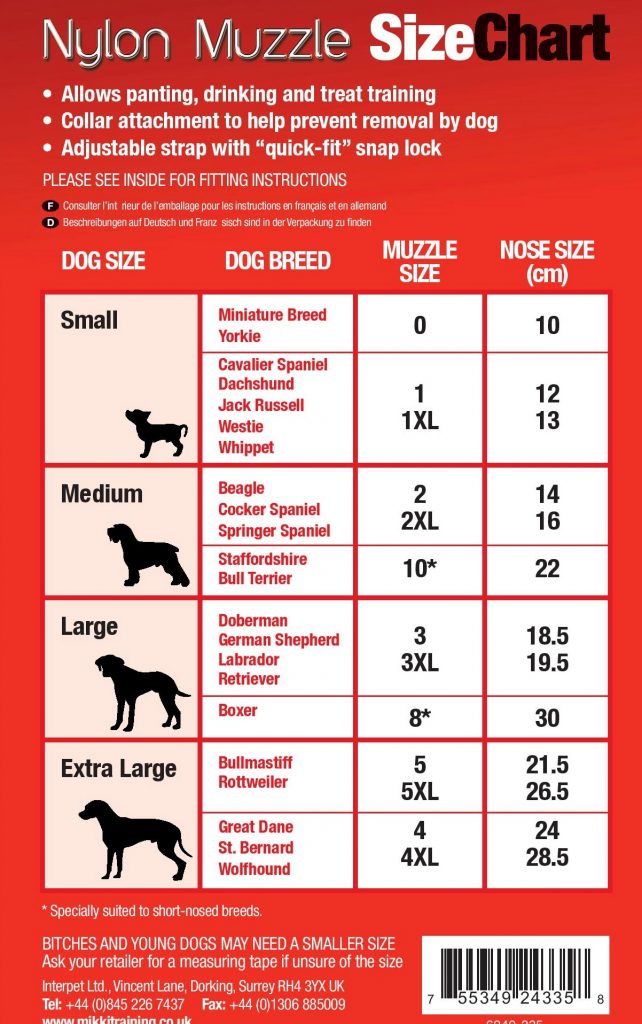
Start by checking the size chart from the muzzle maker. These charts show length, width, and circumference measurements. Compare your dog’s snout size to the chart. Choose the size that fits closest without being too tight. Size charts vary by brand, so always check the chart for each muzzle.
Checking Adjustable Features
Look for muzzles with adjustable straps or buckles. These allow fine-tuning to your dog’s exact size. Adjustable parts help secure the muzzle without causing pain. Make sure the straps do not pinch your dog’s skin. Adjustability adds flexibility for growing dogs or breeds with unique snouts.
Considering Breed-specific Variations
Some breeds have unusual snout shapes or sizes. Short-nosed breeds like pugs need different muzzles than long-nosed breeds like greyhounds. Take your dog’s breed into account when measuring. Custom muzzles or special designs may work better for certain breeds. This helps ensure a better, more comfortable fit.
Ensuring Comfort And Safety
Choosing the right size muzzle is key for your dog’s comfort and safety. A well-fitted muzzle helps your dog stay calm and avoids stress. It also protects your dog from injury and lets them behave naturally.
Pay close attention to how the muzzle fits. Comfort means your dog can breathe, pant, and move without pain. Safety means the muzzle stays secure without hurting your dog’s skin.
Checking Fit Tightness
The muzzle should fit snugly but not too tight. Check if you can slide one finger between the muzzle and your dog’s snout. Too loose, and the dog may slip out. Too tight, and it can cause discomfort or breathing issues.
Allowing Breathing And Panting
Dogs cool down by panting. The muzzle must allow your dog to open its mouth slightly. This lets your dog breathe well and stay cool. Avoid muzzles that block the nose or mouth completely.
Avoiding Chafing And Irritation
Look for soft, smooth materials that do not rub the skin. Check for any rough edges or tight straps. Regularly inspect your dog’s face for redness or sores. Adjust or remove the muzzle if you see any irritation.
Training Your Dog To Wear A Muzzle
Training your dog to wear a muzzle takes patience and care. Dogs may feel uncomfortable or scared at first. Gradual steps help your dog get used to the new feeling. Building trust is key. This training keeps your dog calm and safe while wearing the muzzle.
Introducing The Muzzle Gradually
Start by letting your dog see and sniff the muzzle. Do not force it on right away. Hold the muzzle near your dog’s face for a few seconds. Praise your dog with calm words and gentle petting. Slowly increase the time the muzzle is near your dog. Let your dog wear the muzzle for a few seconds. Remove it before your dog feels stressed. Repeat this daily until your dog feels relaxed.
Positive Reinforcement Techniques
Use treats to reward your dog during training. Give a small treat when your dog stays calm with the muzzle. Speak softly and use happy tones to encourage your dog. Offer treats before and after putting on the muzzle. Avoid punishment or harsh words. Positive experiences help your dog like the muzzle more. Keep training sessions short and fun.
Monitoring Behavior During Use
Watch your dog closely while wearing the muzzle. Look for signs of stress or discomfort. If your dog paws at the muzzle, pause the training. Take breaks often to keep your dog calm. Make sure the muzzle fits well and does not hurt. Gradual increases in wearing time help your dog adjust. Always remove the muzzle if your dog shows severe distress.

Credit: themuzzlemovement.com
Common Sizing Mistakes To Avoid
Choosing the right size for a dog muzzle is important for your pet’s comfort and safety. Many dog owners make simple mistakes that cause problems. These mistakes can make the muzzle too tight or too loose. They may also ignore features that help adjust the fit. Skipping trial fits can lead to discomfort or refusal to wear the muzzle. Avoid these errors to ensure your dog feels secure and comfortable.
Choosing Too Tight Or Too Loose
A muzzle that is too tight can hurt your dog’s nose and mouth. It may cause pain and stress. A too loose muzzle can slip off easily. Your dog may chew it or escape. Measure your dog’s snout carefully. Pick a size that fits snugly but allows breathing and panting.
Ignoring Adjustability
Adjustable straps help make the muzzle fit better. Some muzzles have buckles or Velcro straps. These allow small changes in size. Ignoring this feature means you miss chances to improve comfort. Always check if the muzzle can be adjusted to your dog’s shape.
Skipping Trial Fits
Trying the muzzle on your dog before buying is key. Skipping trial fits can cause surprises later. Your dog might not like the fit or feel. Testing the muzzle helps find the right size. It also helps your dog get used to wearing it.
Frequently Asked Questions
How Do I Measure My Dog For A Muzzle?
Measure your dog’s snout length, width, and neck circumference for the best fit.
What Is The Right Size Muzzle For My Dog Breed?
Different breeds need different muzzle sizes based on snout shape and length.
Can A Muzzle Be Too Tight Or Too Loose?
Yes, a tight muzzle hurts; a loose one can slip off easily.
How To Choose Between Basket And Soft Muzzles?
Basket muzzles offer more breathing space; soft muzzles are snug but limit panting.
How Often Should I Check My Dog’s Muzzle Fit?
Check fit regularly, especially if your dog is still growing or gaining weight.
What If My Dog Refuses To Wear The Muzzle?
Try gradual training with treats and short sessions to build comfort and trust.
Conclusion
Sizing a dog muzzle correctly keeps your pet safe and comfortable. Measure your dog’s snout carefully before buying. A well-fitted muzzle prevents biting but still allows breathing and panting. Avoid sizes that are too tight or too loose. Check the fit often, especially for growing dogs.
A good muzzle helps with training and vet visits. Take your time to choose the right size. Your dog will thank you with calm and happy behavior. Simple steps lead to better care and peace of mind.
As an Amazon Associate, I earn from qualifying purchases.