Is your cat turning up its nose at hard cat food? You’re not alone.
Sometimes, those crunchy kibbles can be tough on your furry friend’s teeth or simply unappealing. But what if you could make that food softer and more inviting without losing its nutritional value? You’ll discover simple, effective ways to soften hard cat food that your cat will love.
Keep reading, because a small change in how you prepare their meal can make a big difference in your cat’s happiness and health.
Reasons To Soften Cat Food
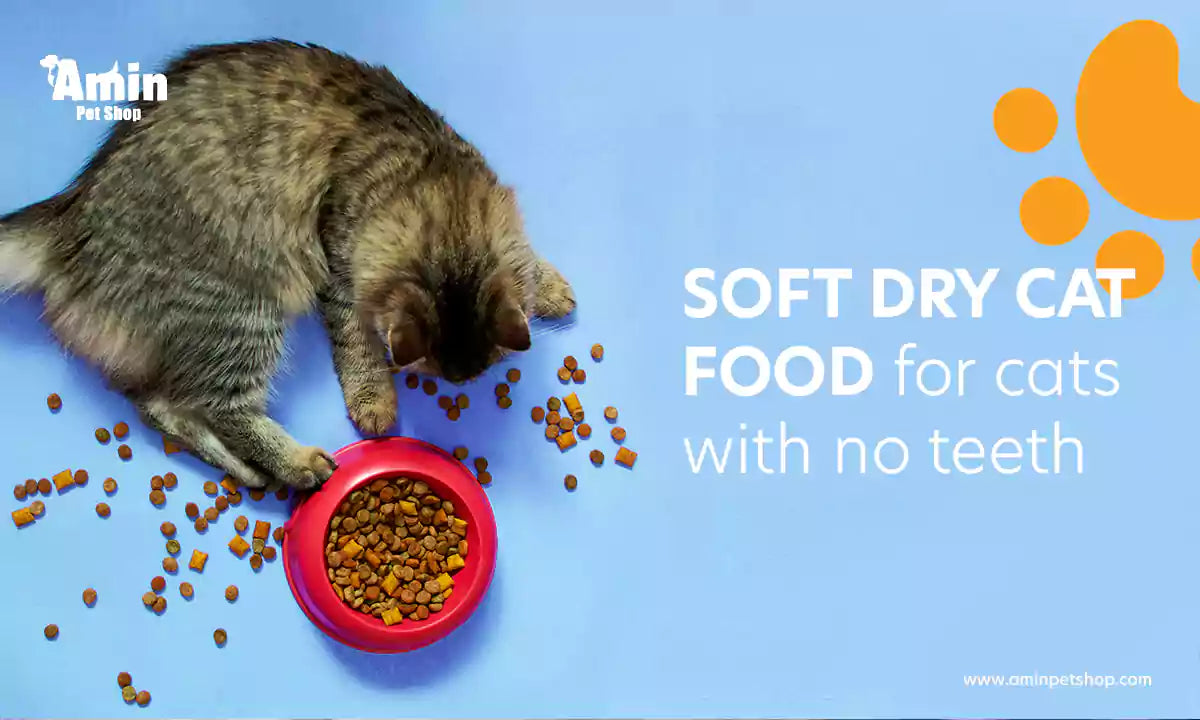
Softening hard cat food can help improve your cat’s eating experience. Cats may find dry food tough to chew or swallow. Soften food to make mealtime easier and more enjoyable.
There are clear reasons to soften cat food. It supports your cat’s health and comfort. Understanding these reasons helps you care better for your pet.
Dental Issues
Cats with dental problems may struggle to chew hard food. Softened food reduces pain and discomfort. It allows cats to eat without hurting their gums or teeth. This helps maintain proper nutrition despite oral issues.
Senior Cats
Older cats often lose teeth or have weaker jaws. Hard food becomes difficult for them to eat. Soft food is gentler and easier to chew. It encourages seniors to eat regularly and stay healthy.
Hydration Benefits
Softening dry food adds moisture to your cat’s diet. Cats often do not drink enough water. Wet food helps increase their fluid intake. Proper hydration supports kidney function and overall health.
Credit: aminpetshop.com
Methods To Soften Cat Food
Hard cat food can be tough for some cats to chew. Softening it makes mealtime easier and more enjoyable. Several simple methods work well to soften dry cat food quickly. Choose the best way for your cat’s taste and needs.
Adding Warm Water
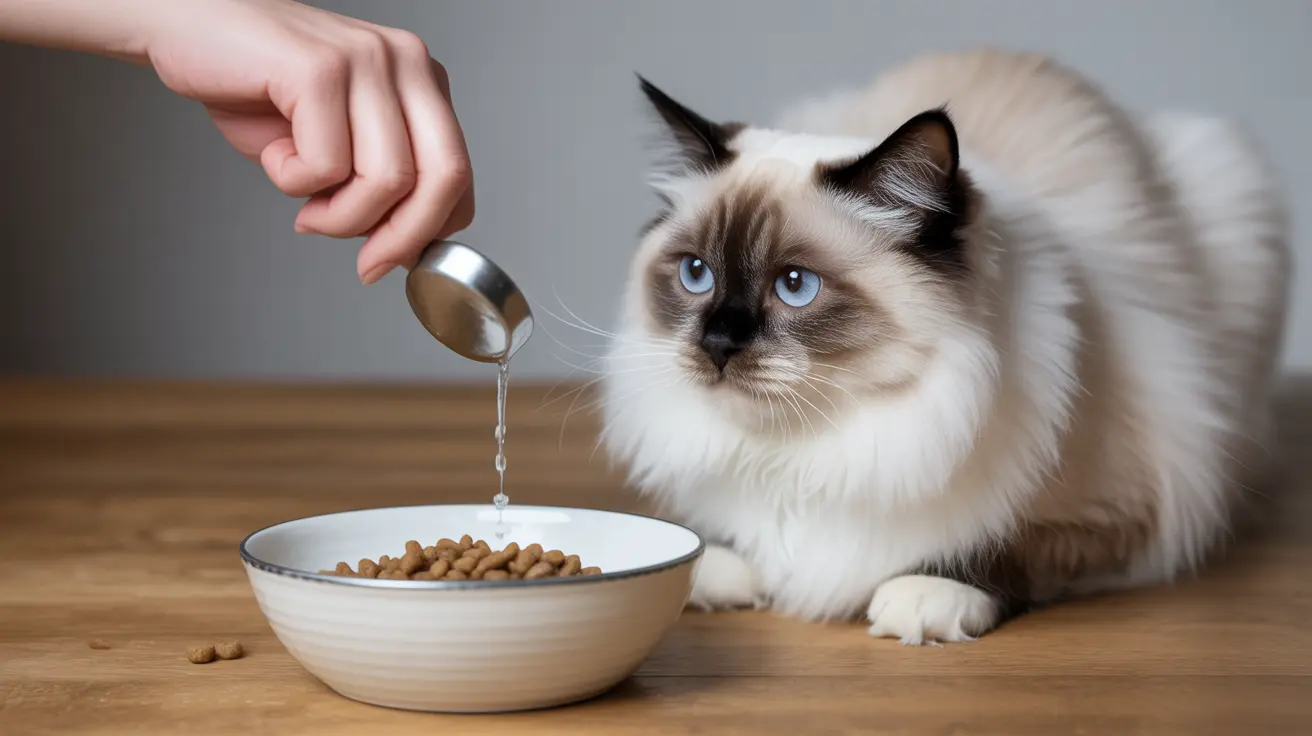
Pour a small amount of warm water over the dry food. Let it sit for a few minutes. The water softens the kibble, making it easier to chew. Stir gently to mix the water evenly. Check the temperature before serving to avoid burns.
Using Broth Or Tuna Juice
Replace water with low-sodium broth or tuna juice. These liquids add flavor and soften the food. Cats often find this more appealing. Pour a little broth or juice over the dry food. Let it soak for a few minutes before serving.
Mixing With Wet Food
Combine dry food with wet cat food. This mix adds moisture and soft texture. It also provides a variety of flavors. Use a spoon to blend the two types well. Serve immediately to keep the mix fresh and tasty.
Microwaving Briefly
Place the dry food in a microwave-safe bowl. Add a small amount of water or broth. Heat for 10 to 15 seconds only. Stir and check the temperature carefully. This method warms and softens the food fast. Avoid overheating to protect nutrients and your cat’s mouth.
Choosing The Right Liquid
Softening hard cat food helps your cat eat easier and enjoy meals more. Choosing the right liquid to soften the food is very important. The liquid should be safe, tasty, and easy for your cat to digest. Some liquids work better than others to make hard food soft and moist. Learn which liquids are good and which to avoid for your cat’s health.
Safe Liquids For Cats
Water is the best liquid to soften hard cat food. It is pure, safe, and easy to digest. Warm water can help soften food faster than cold water. Low-sodium chicken broth is another good choice. It adds flavor without harmful ingredients. Make sure the broth does not contain onions or garlic. These can be toxic to cats. Plain beef broth or fish broth also works well. Always check the label for safe ingredients.
Avoiding Harmful Ingredients
Milk is not a good choice for most cats. Many cats cannot digest lactose and may get an upset stomach. Avoid broth or liquids with salt, onion, garlic, or spices. These ingredients can harm your cat’s health. Do not use oils, vinegar, or sugary liquids. These can cause digestive problems or make your cat sick. Stick to simple, natural liquids to keep your cat safe and happy.
Credit: www.petscare.com
Tips For Feeding Softened Food
Feeding softened cat food can be a gentle way to help your cat enjoy meals. Softened food is easier to chew and digest, especially for older cats or those with dental issues. Following some simple tips makes mealtime safe and enjoyable for your pet.
Serving Temperature
Serve the softened food at room temperature. Cold food can upset your cat’s stomach. Warm food smells better and encourages eating. Avoid heating the food too much. Test it with your finger before serving. This helps prevent burns and discomfort.
Portion Control
Offer small portions of softened food at a time. Cats prefer fresh food over leftovers. Too much food can spoil quickly. Measure the right amount based on your cat’s size and appetite. Feeding smaller meals more often keeps your cat interested.
Storage Guidelines
Store softened food in an airtight container. Keep it in the refrigerator to stop bacteria growth. Use the food within 24 hours for best freshness. Discard any uneaten portions after this time. Clean the container regularly to maintain hygiene.
Signs Your Cat Prefers Softened Food
Not all cats enjoy hard kibble. Some prefer their food softer. Recognizing signs your cat likes softened food helps improve mealtime. It can make feeding easier and more enjoyable for your pet.
Eating Habits
Your cat might take longer to eat hard food. They may chew less or drop kibble from their mouth. Sometimes, cats leave food behind, showing reluctance to eat. Softened food often increases appetite and eagerness. Watch for these changes during feeding times.
Behavior Changes
Cats that dislike hard food may act restless near their bowl. They might paw at the food or walk away quickly. Some cats meow more during mealtime, asking for softer food. After switching to softened food, you may see more relaxed behavior. Your cat may also seem happier and more energetic after meals.

Credit: iandloveandyou.com
Frequently Asked Questions
How Can I Soften Hard Cat Food Quickly?
Add warm water or low-sodium broth and let it sit for a few minutes to soften.
Is Soaking Cat Food Safe For My Cat?
Yes, soaking hard cat food in water or broth is safe and helps with easier chewing.
Can I Use Milk To Soften Cat Food?
Milk is not recommended; it can upset your cat’s stomach and cause digestion issues.
How Long Should I Soak Hard Cat Food?
Soak the food for about 5 to 10 minutes until it becomes soft enough to eat.
Will Softening Cat Food Help Older Cats Eat Better?
Softened food is easier for older cats with dental issues to chew and digest comfortably.
Can I Store Softened Cat Food For Later Use?
Store softened food in the fridge for up to 24 hours to keep it fresh and safe.
Conclusion
Softening hard cat food makes mealtime easier for your pet. Warm water or broth helps soften kibble quickly. Let the food sit a few minutes to absorb liquid. This method keeps nutrients intact and flavors fresh. Softened food can help older cats or those with dental issues.
Try small changes to find what your cat likes best. Feeding your cat becomes more enjoyable and gentle on their teeth. Simple steps can make a big difference in their diet. Keep your cat happy and healthy with soft food options.
As an Amazon Associate, I earn from qualifying purchases.