Is your carpet starting to look like a battlefield? If your cat’s claws are leaving marks all over your floors, you’re not alone—and you don’t have to live with it.
Imagine saving your carpet from those sharp scratches while keeping your furry friend happy and healthy. You’ll discover simple and effective ways to stop your cat from clawing the carpet for good. Ready to protect your home and keep your cat content?
Let’s dive in!

Credit: lubcon.ng
Why Cats Claw Carpets
Cats claw carpets for several natural reasons. Understanding why helps to manage this behavior. Cats do not claw just to annoy. It is part of their nature and health. Below are key reasons why cats claw carpets.
Natural Instincts
Clawing is a natural behavior for cats. It helps them keep their claws sharp and healthy. Scratching removes old claw layers. It also keeps claws strong for hunting and climbing. This instinct is deeply rooted in their wild ancestors.
Marking Territory
Cats use scratching to mark their space. Their paws have scent glands that leave a smell. This scent tells other cats this area belongs to them. Carpets often become a target because they hold scent well. This behavior helps cats feel safe and secure.
Exercise And Stretching
Scratching is a way for cats to stretch their muscles. It helps keep their legs and back flexible. Stretching also relieves tension and stress. Carpets offer a large surface for this activity. This action keeps cats active and healthy.
Choosing Alternatives To Carpets
Choosing alternatives to carpets helps protect your floors and keeps cats happy. Cats need places to scratch. Carpets often attract their claws, causing damage. Offering suitable options stops this behavior. It also gives your cat a safe way to express natural scratching instincts.
Scratching Posts
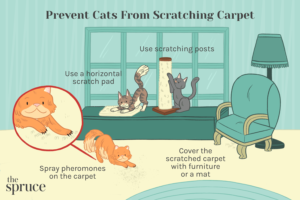
Scratching posts are a classic choice. They come in many sizes and materials. Sisal is popular because it is rough and durable. Posts give cats a vertical surface to scratch. Place them near favorite spots or entrances. Encourage your cat to use posts by rubbing catnip on them.
Cat Trees And Pads
Cat trees combine climbing and scratching. These multi-level structures keep cats entertained. Many have built-in scratching pads or posts. Pads lie flat and fit in small spaces. Cats enjoy both vertical and horizontal scratching options. Cat trees also offer resting places, reducing boredom.
Safe Textures For Clawing
Different cats like different textures. Cardboard scratchers are gentle and easy to replace. Carpet-like mats work but choose durable ones. Wood and rope surfaces also attract cats. Avoid rough or harmful materials. Safe textures protect your cat’s paws and your home.
Training Your Cat
Training your cat to stop clawing the carpet takes time and care. Cats scratch to keep their claws sharp and mark their space. Teaching them where to scratch helps protect your carpet and keeps your cat happy. Patience and the right techniques make training easier for both of you.
Using Positive Reinforcement
Reward your cat when they scratch the right place. Use treats or gentle praise to encourage good behavior. Avoid punishment; it can make your cat scared or confused. Positive reinforcement builds trust and helps your cat learn faster.
Redirecting Clawing Behavior
Give your cat a scratching post or pad near the carpet. When your cat starts clawing the carpet, gently move them to the post. Show them how to use it by rubbing catnip or toys on the post. This helps your cat choose the right spot to scratch.
Consistency And Patience
Keep training sessions short and frequent. Always reward your cat for good scratching behavior. Be patient; changing habits takes days or weeks. Stay calm and consistent to help your cat learn and feel safe.

Credit: www.scala-santa.com
Protecting Your Carpet
Protecting your carpet from cat claws is important to keep your home looking neat. Cats naturally like to scratch. This can damage carpets quickly. Taking steps to protect the carpet helps avoid costly repairs.
Simple tools and techniques can make a big difference. You can create a less attractive surface for your cat to scratch. This encourages them to use other things instead.
Carpet Protectors And Covers
Use carpet protectors made of plastic or vinyl. These create a hard surface cats do not like to scratch. Covers can be placed over areas your cat targets the most. They are easy to clean and remove.
Clear plastic runners or mats also work well. Place them with the smooth side up. Cats dislike the slippery feel under their claws. This stops them from scratching the protected area.
Double-sided Tape And Sprays
Double-sided tape feels sticky and uncomfortable for cats. Apply strips on carpet edges or spots they scratch often. Cats avoid sticky surfaces and move away from the tape.
Use sprays made with safe ingredients that cats dislike. These sprays have smells cats avoid but are not harmful. Spray the carpet areas to keep cats away. Repeat often for the best effect.
Regular Nail Trimming
Keep your cat’s nails short and smooth. Trim nails every two weeks to reduce sharpness. Short nails cause less damage when your cat scratches.
Use proper nail clippers designed for cats. Be gentle and avoid cutting too close to the quick. If unsure, ask a vet or groomer for help. Regular trimming helps protect your carpet and keeps your cat healthy.
Additional Tips For Success
Stopping a cat from clawing carpet takes patience and care. Small changes in your daily routine can help a lot. Focus on your cat’s needs beyond just stopping the behavior. This will make your efforts more effective and keep your cat happy.
Providing Enough Playtime
Cats have a lot of energy. They need play to stay healthy and calm. Spend time playing with your cat every day. Use toys like feathers, balls, or laser pointers. Playtime helps your cat use energy in a fun way. A tired cat is less likely to scratch the carpet.
Creating A Comfortable Environment
Make your cat’s space safe and cozy. Place scratching posts near favorite spots. Use soft beds and quiet corners for rest. Cats avoid stress when they feel safe. A calm environment reduces unwanted behaviors like carpet scratching.
Monitoring Stress And Anxiety
Cats show stress in many ways, including scratching. Watch for signs like hiding or meowing more. Changes at home can upset your cat. Try to keep routines steady and quiet. Use calming sprays or diffusers if needed. Reducing stress helps stop carpet damage.

Credit: alfiorov.com
Frequently Asked Questions
How Can I Stop My Cat From Scratching The Carpet?
Provide scratching posts near carpet areas. Use deterrent sprays and trim your cat’s nails regularly.
Why Do Cats Claw Carpets Instead Of Scratching Posts?
Cats seek texture and location. Carpets may feel softer or be in favorite resting spots.
What Types Of Scratching Posts Work Best For Cats?
Posts with sisal or cardboard surfaces attract cats. Vertical and horizontal options suit different cats.
Can Nail Caps Prevent My Cat From Damaging The Carpet?
Yes, soft nail caps cover claws and reduce carpet damage without hurting your cat.
How Often Should I Trim My Cat’s Claws To Protect Carpets?
Trim claws every two to three weeks to keep them short and less damaging.
Are Sprays Effective In Deterring Cats From Carpet Scratching?
Some sprays with citrus or bitter scents discourage cats. Test sprays carefully for your pet’s comfort.
Conclusion
Stopping a cat from clawing carpet takes patience and care. Provide good scratching alternatives nearby. Use safe deterrents to protect your floors. Reward your cat when it uses approved spots. Keep nails trimmed to reduce damage. Consistency helps your cat learn new habits.
Small changes can save your carpet and keep your cat happy. Try different methods and see what works best. Your efforts will lead to a peaceful home for both.
As an Amazon Associate, I earn from qualifying purchases.