Is your cat constantly scratching at the door, driving you crazy? You’re not alone.
This behavior can damage your doors and create frustration for both you and your furry friend. But don’t worry—there are simple, effective ways to stop your cat from scratching the door. You’ll discover practical tips that protect your home and keep your cat happy.
Keep reading to find out how to turn this problem around quickly and easily.

Credit: www.attaliescazu.com
Reasons Cats Scratch Doors
Cats often scratch doors for several reasons. Understanding why helps in stopping this behavior. Scratching is a natural action for cats. It serves many purposes beyond just marking territory.
Knowing these reasons can guide you in managing your cat’s scratching. Each cat may have different triggers. Identifying these triggers is the first step to change.
Territorial Behavior
Cats use scratching to mark their space. Their paws have scent glands that leave a smell. This scent tells other cats the area is taken. Doors are common spots to leave this mark. Scratching helps cats feel safe in their home.
Exercise And Play
Scratching is a way to stretch muscles. It helps cats keep their claws sharp and healthy. Cats also scratch out of boredom or to play. Doors often get scratched because they are near where cats rest. This action helps release energy and frustration.
Stress And Anxiety
Stress can make cats scratch more often. Changes in the home or routine may cause anxiety. Scratching the door can be a way to cope. It gives cats a sense of control. Watching for stress signs can reduce scratching problems.
Protecting Doors From Scratches
Protecting doors from cat scratches helps keep your home neat and your doors intact. Cats scratch to mark territory and sharpen claws. Stopping this behavior prevents damage and saves money on repairs. Using simple tools can block or discourage scratching. These methods work well without hurting your cat.
Using Door Protectors
Door protectors are clear plastic sheets placed on the door surface. They stop claws from reaching the door material. These protectors are easy to attach and remove. They do not change the door’s look much. Protectors last long and handle repeated scratching.
Applying Double-sided Tape
Cats dislike sticky textures on their paws. Applying double-sided tape on the door creates an unpleasant feeling. This stops cats from scratching that spot. Tape is cheap and easy to use. Replace the tape regularly to keep it effective.
Installing Scratch Guards
Scratch guards are made from tough materials like plastic or metal. They cover the lower part of the door. Guards protect high-traffic spots where cats usually scratch. Installation is simple with screws or adhesive strips. Scratch guards are durable and keep doors safe for a long time.
Redirecting Scratching Behavior
Redirecting a cat’s scratching behavior helps protect your doors and keeps your cat happy. Cats scratch to mark territory and keep their claws healthy. Stopping this behavior means giving them better options. Offering alternatives helps your cat feel satisfied and less likely to scratch doors.
Providing Scratching Posts
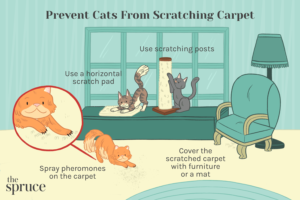
Place sturdy scratching posts near the door your cat scratches. Choose posts with rough surfaces like sisal or carpet. Make sure the posts are tall enough for your cat to stretch fully. Cats like vertical and horizontal posts, so offer both types. Keep posts stable to avoid tipping over when used.
Encouraging Use Of Alternatives
Gently move your cat to the scratching post when it starts scratching the door. Praise and pet your cat when it uses the post. Avoid punishment; it can make your cat scared or confused. Use treats to reward your cat for using the post. Repeat this process often for best results.
Using Catnip And Toys
Sprinkle catnip on the scratching posts to attract your cat. Catnip makes posts more exciting and inviting. Provide toys near the posts to encourage play and scratching. Rotate toys to keep your cat interested. Playtime near the posts helps build positive habits.
Training And Deterrents
Training your cat and using deterrents can stop door scratching effectively. Cats need clear signals about what is allowed. They learn best with gentle guidance and consistent rules. Combining training with deterrents helps protect your door and keeps your cat happy.
Positive Reinforcement Techniques
Reward your cat when it scratches the right place. Use treats or gentle praise to encourage good behavior. Offer a scratching post near the door. When the cat uses it, give a small reward. This teaches the cat to prefer the post over the door.
Ignore scratching on the door to avoid giving attention to bad behavior. Be patient. Training takes time and calm repetition.
Safe Deterrent Sprays
Use sprays made for cats that discourage scratching. These sprays have smells cats dislike but are safe for them and your furniture. Spray the door edges lightly to protect the surface. Avoid harsh chemicals that can harm your cat.
Reapply the spray often. Cats may get used to the scent if it fades.
Noise And Motion Deterrents
Noise deterrents startle cats without hurting them. Small devices can make a sound when the cat approaches the door. This stops the cat from scratching.
Motion-activated deterrents work by sensing movement. They emit a harmless spray or sound. Place these near the door to keep your cat away. Use these tools carefully to avoid stressing your pet.
Maintaining Cat’s Claws
Maintaining your cat’s claws plays a key role in stopping door scratching. Healthy, trimmed claws reduce damage to your home. Cats also feel more comfortable and less stressed when their claws are well cared for.
Keeping claws in good shape needs regular attention. It helps protect both your cat and your furniture. Below are simple ways to maintain your cat’s claws effectively.
Regular Nail Trimming
Trim your cat’s nails every two to three weeks. Use a sharp nail clipper made for cats. Cut just the sharp tip, avoiding the pink area inside the nail.
Regular trimming lowers the chance of scratching doors. It also stops nails from growing too long or curling. Take care to keep your cat calm during trimming sessions.
Soft Claw Caps
Soft claw caps are small, safe covers for your cat’s nails. They stop scratching without hurting your cat. These caps come in different colors and are glued gently on the nails.
Soft claw caps need replacing every few weeks. They help protect doors and furniture from scratches. Many cat owners find them a good alternative to trimming.
Veterinary Advice
Ask your vet about the best claw care for your cat. Some cats have special needs or health issues. A vet can show you how to trim nails safely.
Vets can also suggest products like soft claw caps or nail grinders. Regular check-ups help keep your cat’s claws and paws healthy. Trusting professional advice supports long-term claw care.

Credit: www.amazon.com
Creating A Stress-free Environment
Stopping a cat from scratching the door often starts with reducing their stress. Cats scratch out of anxiety or boredom. A calm, happy cat is less likely to damage your doors. Creating a stress-free space can help your cat feel safe and relaxed.
Simple changes in the home environment can make a big difference. Cats need mental and physical activity. They also need consistent routines and quiet places to retreat. These steps help lower stress and unwanted behaviors.
Providing Enrichment
Give your cat toys and scratching posts. Rotate toys often to keep interest high. Use puzzle feeders to challenge their minds. Play with your cat daily to burn energy.
Climbing shelves and window perches offer great views. These spots reduce boredom. Enrichment makes cats feel active and happy. A busy cat scratches less on doors.
Establishing Routines
Cats like routine. Feed and play with them at the same times each day. This predictability eases anxiety. Regular routines build trust and comfort.
Try to keep noise and activity levels steady. Avoid sudden changes in the home. A peaceful routine helps your cat feel safe.
Safe Spaces For Cats
Create quiet, cozy areas for your cat to rest. Use soft beds or blankets in low-traffic spots. Safe spaces help cats calm down.
Allow your cat to retreat from noise or people. A secure hideaway reduces stress. When cats feel safe, they scratch less on doors.

Credit: www.wikihow.com
Frequently Asked Questions
Why Does My Cat Scratch The Door Repeatedly?
Cats scratch to mark territory, sharpen claws, or seek attention.
How Can I Protect My Door From Cat Scratches?
Use scratch guards, double-sided tape, or cover doors with plastic sheets.
What Are Safe Ways To Stop A Cat From Scratching Doors?
Provide scratching posts and use deterrents like citrus sprays or motion alarms.
Can Training Help Stop My Cat From Scratching Doors?
Yes, gentle training with rewards can teach your cat to avoid doors.
Does Trimming A Cat’s Nails Reduce Door Scratching?
Regular nail trimming lessens damage but doesn’t stop scratching behavior entirely.
What Alternative Spots Can I Give My Cat To Scratch?
Offer scratching posts, pads, or cat trees near the door area.
Conclusion
Stopping a cat from scratching the door takes patience and care. Provide your cat with good scratching spots nearby. Use gentle training to guide their behavior. Protect doors with covers or tape to deter scratching. Reward your cat when they use the right place.
Keep nails trimmed to reduce damage. Small steps make a big difference over time. Your cat will learn what is okay to scratch. Keep trying, and your home will stay safe and peaceful.
As an Amazon Associate, I earn from qualifying purchases.