Is your cat scratching at the door and driving you crazy? You’re not alone.
Many cat owners face this frustrating problem every day. But don’t worry—there are simple and effective ways to stop this behavior. By understanding why your cat scratches and learning a few easy tricks, you can protect your doors and keep your furry friend happy.
Keep reading to discover practical tips you can start using right now.

Credit: www.wikihow.com
Why Cats Scratch Doors
Cats scratch doors for several reasons. Understanding why helps to stop this behavior. Scratching is natural for cats. It also sends messages to other cats. Sometimes, it is a call for attention. Each reason shows a different cat need.
Natural Instincts
Scratching is part of a cat’s nature. It helps keep their claws sharp and healthy. This behavior also stretches their muscles. Cats have strong instincts to scratch surfaces. Doors are easy targets because they are vertical and sturdy.
Marking Territory
Cats mark places by scratching. Their paws release scent from glands. This scent tells other cats, “This is my space.” Scratching doors can protect their territory. It is a way to feel safe and secure.
Seeking Attention
Sometimes cats scratch to get your attention. They want to play, eat, or be petted. Scratching makes noise that is hard to ignore. It is their way to communicate needs or boredom. Responding helps reduce door scratching over time.

Credit: www.wikihow.com
Preventing Door Scratching
Stopping a cat from scratching a door starts with prevention. Protect the door and keep your cat happy. Simple steps can reduce damage and stress. These methods help change your cat’s behavior gently.
Trim Your Cat’s Claws
Keep your cat’s claws short. Use special nail clippers made for cats. Trim the sharp tips carefully. Shorter claws cause less damage to doors. Regular trimming keeps claws from growing too long. Try to trim every two weeks. Your cat will feel more comfortable and less likely to scratch hard surfaces.
Use Deterrent Sprays
Deterrent sprays stop cats from scratching places. These sprays have smells cats do not like. Spray the door edges and frame lightly. Avoid spraying too much or on furniture. The smell will make the door less attractive to your cat. Reapply spray often to keep the effect strong.
Apply Double-sided Tape
Sticky tape on the door can stop scratching. Cats dislike sticky textures on their paws. Put double-sided tape on the door surface. Change the tape when it loses stickiness. This method creates an unpleasant feeling for your cat. It teaches your cat to avoid the door area.
Providing Alternatives
Providing alternatives helps redirect your cat’s scratching from the door. Cats need to scratch to keep their claws healthy and stretch their muscles. Offering proper places for scratching protects your doors and keeps your cat happy. Choose options that attract your cat’s attention and satisfy their natural needs.
Introduce Scratching Posts
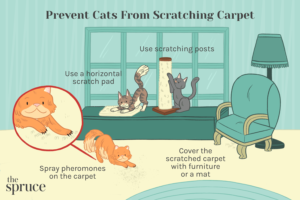
Scratching posts are the best alternative to doors. Place them near the door where your cat scratches the most. Use posts with rough surfaces like sisal or carpet. Cats love vertical posts to stretch their bodies fully. Encourage your cat to use the post with treats or toys.
Create Play Areas
Play areas keep your cat busy and reduce door scratching. Use toys that move or make noise to catch their interest. Set up areas with soft mats or cushions for comfort. Rotate toys often to keep your cat curious and engaged. A tired cat scratches less out of boredom.
Use Cat Trees
Cat trees combine scratching and climbing in one spot. They provide vertical space and several levels to explore. Many trees have built-in scratching pads or posts. Place a cat tree near the door to draw attention away. Cats enjoy high places to watch and feel safe.

Credit: www.amazon.com
Training Techniques
Training your cat to stop scratching at a door takes patience and clear steps. Cats need to understand what is allowed and what is not. Using training techniques helps teach your cat better habits. These methods focus on guiding your cat with kindness and consistency. The goal is to reduce unwanted scratching and keep your doors safe.
Positive Reinforcement
Praise your cat when it behaves well near the door. Offer treats or gentle petting for calm behavior. This makes your cat want to repeat good actions. Positive feedback helps your cat learn fast. Avoid punishment, as it can cause fear or stress.
Redirecting Behavior
Give your cat a scratching post or mat near the door. When your cat starts scratching the door, gently move it to the post. Reward your cat when it uses the post instead. This changes your cat’s focus to an acceptable spot. It keeps your cat’s claws busy and happy.
Consistent Commands
Use the same word or sound to stop scratching every time. Say “No” or “Stop” firmly but kindly. Do this each time your cat scratches the door. Consistency helps your cat understand the rule. Over time, your cat will connect the command with stopping.
Protecting Your Doors
Protecting your doors from cat scratches is important for maintaining their look and strength. Cats scratch doors to mark territory or to get attention. This can leave marks and damage the surface. Taking steps to protect your doors helps save money on repairs and keeps your home neat.
Install Door Guards
Door guards act as a shield for your doors. They are easy to install and cover the parts cats scratch most. Guards come in clear plastic or metal, fitting neatly on the door. They stop claws from cutting into the wood or paint. This simple tool can extend your door’s life and keep it looking new.
Use Protective Films
Protective films stick right onto your door surface. These films are tough and resist scratches well. They are clear, so they do not change the door’s color or style. Applying a film creates a strong barrier against sharp nails. Films are affordable and quick to replace if damaged.
Choose Durable Door Materials
Some door materials handle scratches better than others. Solid wood doors can show marks easily. Metal or fiberglass doors are harder to damage. These materials are strong and resist claw marks well. Picking a tough door type helps reduce visible wear from cats.
When To Consult A Vet
Knowing when to seek help from a vet is key in managing your cat’s scratching at doors. Some scratching is normal. But certain signs show a deeper problem. Early vet visits can prevent pain and stress for your cat. Watch your cat closely for changes in behavior and scratching habits.
Behavioral Changes
Notice if your cat acts different than usual. Less play, hiding, or aggression are signs. Changes in eating or sleeping habits matter too. These can signal stress or illness causing scratching. Mention all changes to your vet for a full picture.
Excessive Scratching
Scratching many times a day or until skin breaks needs attention. This can cause wounds and infections. Excessive scratching might mean pain or discomfort. Your vet can find the root cause and suggest treatment. Do not wait if scratching worsens or your cat bleeds.
Possible Health Issues
Some health problems cause scratching at doors. Allergies, fleas, or skin infections are common causes. Joint pain or arthritis may make your cat restless. Neurological issues could also be a factor. A vet exam helps find these issues fast. Treating health problems stops scratching and helps your cat heal.
Frequently Asked Questions
Why Does My Cat Scratch At The Door?
Cats scratch doors to mark territory, stretch, or ask for attention.
How Can I Stop My Cat From Scratching Doors?
Use scratching posts, trim nails, and apply deterrent sprays near doors.
What Safe Sprays Keep Cats From Scratching Doors?
Citrus or bitter apple sprays are safe and discourage scratching.
Can Training Help Reduce Door Scratching In Cats?
Yes, positive reinforcement and redirecting to toys help reduce scratching.
Is Nail Trimming Effective Against Door Scratching?
Regular nail trimming reduces damage but does not stop scratching behavior.
Should I Block The Door To Stop Scratching?
Blocking the door can help but doesn’t address the cause of scratching.
Conclusion
Stopping a cat from scratching at a door takes patience and care. Try using scratching posts and soft deterrents near the door. Keep your cat’s nails trimmed to reduce damage. Give your cat attention and playtime to prevent boredom. Remember, gentle training works better than punishment.
Small changes can make a big difference. Your cat will learn new habits with time. Enjoy a peaceful home and a happy cat.
As an Amazon Associate, I earn from qualifying purchases.