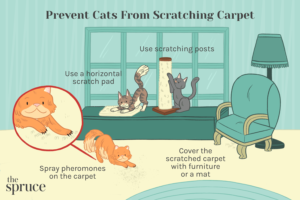
Is your beautiful leather furniture covered in scratch marks? You’re not alone.
Cats love to scratch, but when your favorite couch or chair becomes their playground, it can be frustrating. You want to protect your leather without hurting your furry friend or changing their natural behavior. You’ll discover simple, effective ways to stop your cat from scratching your leather furniture—so you can keep your home looking great and your cat happy.
Keep reading to find solutions that really work!

Credit: happyandpolly.com
Why Cats Scratch Leather
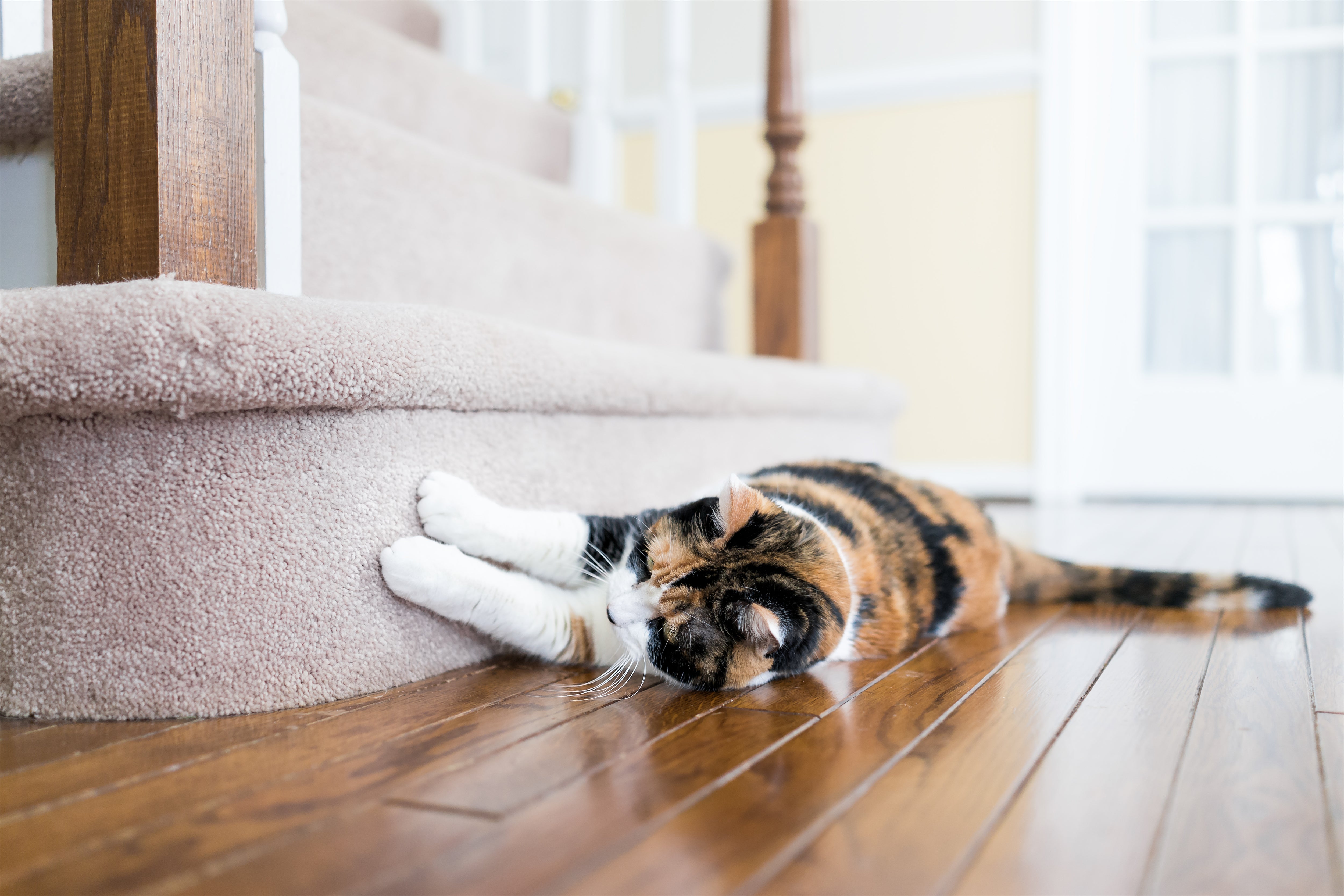
Cats scratching leather furniture can be frustrating for pet owners. Understanding why cats scratch leather helps to manage this behavior better. Cats scratch for several natural reasons that are important to their well-being.
Natural Instincts
Scratching is a natural behavior for cats. It helps them remove old claw sheaths. This keeps their claws sharp and healthy. Scratching also allows cats to express their natural hunting skills.
Marking Territory
Cats mark their territory by scratching. Their paws have scent glands that leave a smell behind. This scent tells other animals that the area belongs to them. Leather furniture often becomes a favorite spot for this marking.
Exercise And Stretching
Scratching helps cats stretch their muscles. It works their paws, legs, and back. This stretching keeps them agile and healthy. Leather furniture offers a firm surface perfect for this exercise.
Credit: happyandpolly.com
Damage Leather Can Suffer
Leather furniture adds style and comfort to any home. Cats love to scratch, but their claws can harm leather surfaces quickly. Understanding the types of damage leather can suffer helps protect your furniture. Scratches and tears not only spoil the look but also weaken the material. Acting early prevents costly repairs and keeps your leather looking new longer.
Common Types Of Damage
Scratches are the most common harm caused by cats. Their claws leave marks that look like thin lines on the surface. Deep scratches can cut through the leather, causing tears. Scuff marks appear when cats rub their paws or bodies. These marks dull the finish and make the leather look old. Over time, repeated scratching can wear thin the leather in certain spots. This thinning weakens the area and makes it more likely to rip.
Long-term Effects
Leather that gets scratched often loses its smooth texture. The damaged areas become rough and dry. Dirt and dust settle into scratches, making them harder to clean. The leather can lose its color or fade around damaged spots. Tears can grow bigger if not fixed quickly. This damage reduces the furniture’s value and comfort. In some cases, replacing leather parts or the whole item may be necessary. Protecting leather from cat scratches preserves its beauty and strength for years.
Preventive Measures
Preventing a cat from scratching leather furniture is easier than fixing damage. Taking early steps can protect your couch and save money. Small changes in your home can keep both your cat and furniture happy.
Using Furniture Covers
Furniture covers create a barrier between your cat and leather. Covers come in many materials like fabric or plastic. They protect the surface from claws and reduce scratches. Choose covers that are easy to clean and fit well. Covers also discourage cats from scratching because they dislike the texture.
Applying Protective Sprays
Protective sprays make leather less attractive to cats. These sprays have scents or tastes cats avoid. Apply sprays regularly for best results. Always test spray on a small leather area first. Protective sprays keep your furniture safe without harming your cat.
Positioning Scratch Posts Nearby
Place scratch posts close to leather furniture. Cats prefer scratching near their favorite spots. Provide posts with materials like sisal or cardboard. Encourage your cat to use the post by adding catnip or toys. Nearby scratch posts reduce the chance your cat will use the leather as a scratching post.
Training Your Cat
Training your cat helps protect your leather furniture from scratches. Cats scratch to mark territory and to keep claws sharp. Teaching them where to scratch is key. It takes patience and consistency. Start training early for best results.
Redirecting Scratching Behavior
Give your cat a scratching post near the leather furniture. Choose posts with materials cats like, such as sisal or cardboard. When your cat starts scratching the leather, gently move them to the post. Praise them for using it. Repeat this often to build a habit.
Positive Reinforcement Techniques
Reward your cat with treats or petting when they use the scratching post. Use calm, happy tones to praise them. Positive rewards help cats learn faster. Avoid punishment, as it can cause fear or stress. Keep training sessions short and fun.
Discouraging Unwanted Scratching
Make the leather less appealing by covering it with a soft blanket or plastic wrap. Use double-sided tape on edges; cats dislike the sticky feel. Try citrus sprays, which cats often avoid. Never yell or hit your cat. Gentle guidance works better.
Choosing Suitable Alternatives
Stopping a cat from scratching leather furniture needs the right alternatives. Cats need to scratch. It helps them stretch and mark their space. Giving them good options can save your furniture and keep your cat happy. Choose alternatives that feel good for your cat’s paws.
Best Scratch Posts For Cats
Choose scratch posts made of sisal or cardboard. These materials are tough and satisfy a cat’s scratching urge. Place the post near the furniture your cat scratches most. Tall posts let cats stretch fully. Some posts have toys or platforms to attract cats. Regular use helps cats focus on the post, not the furniture.
Diy Scratch Solutions
Make your own scratchers using simple materials. Wrap a wooden board with sisal rope tightly. Secure the ends with glue or nails. Cardboard boxes or sheets also work well. Cats like the texture and can shred them safely. Place these DIY scratchers in spots your cat likes. Change their position sometimes to keep interest high.

Credit: www.sinfoniagulfcoast.org
Maintaining Leather Furniture
Leather furniture adds style and comfort to your home. It needs care to stay beautiful. Cats can scratch leather, causing damage. Fixing and preventing these scratches keeps your furniture looking new. Proper maintenance helps protect leather and makes it last longer.
Cleaning Scratches
Small scratches can be cleaned at home. Use a soft cloth with a bit of warm water. Gently rub the scratched area in circles. Avoid soaking the leather. Dry it with a clean cloth right after.
For deeper scratches, use a leather repair kit. Follow the instructions carefully. These kits fill and hide scratches well. Test the product on a hidden spot first. This avoids color damage or stains.
Regular Leather Care Tips
Clean your leather furniture weekly with a dry cloth. Dust can cause tiny scratches over time. Use a leather conditioner every few months. It keeps the leather soft and prevents cracks.
Keep leather away from direct sunlight and heat. These can dry out and fade the material. Place your furniture in a cool, shaded spot. Protect it from pets by using covers or sprays. This reduces the chance of new scratches.
Frequently Asked Questions
How Can I Protect Leather Furniture From Cat Scratches?
Use a cat scratching post nearby and apply safe deterrent sprays on furniture.
Why Do Cats Scratch Leather Furniture?
Cats scratch to sharpen claws, mark territory, and stretch muscles.
What Home Remedies Stop Cats From Scratching Leather?
Cover furniture with plastic sheets or double-sided tape to deter scratching.
Can Nail Trimming Reduce Cat Scratching Damage?
Yes, regular nail trimming softens claws and lessens damage to furniture.
Are Sprays Effective In Preventing Cat Scratching?
Yes, citrus or commercial cat deterrent sprays can discourage cats from scratching.
How To Train A Cat To Avoid Leather Furniture?
Reward cats for scratching posts and gently redirect them from furniture.
Conclusion
Stopping a cat from scratching leather furniture takes patience and care. Use scratching posts and covers to protect your furniture. Reward your cat for good behavior. Keep nails trimmed and play with your pet often. Small changes can make a big difference over time.
Protecting your leather keeps your home looking nice. Your cat stays happy and healthy, too. It’s all about finding the right balance. Try different methods until you see what works best. You can enjoy both your cat and your furniture.
As an Amazon Associate, I earn from qualifying purchases.