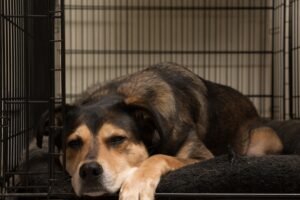
Is your dog acting protective or even aggressive when someone approaches you? This behavior, known as resource guarding, can be stressful and even dangerous for both you and your loved ones.
But you don’t have to live with this problem. You can take simple, effective steps to stop your dog from guarding you. You’ll discover clear, easy-to-follow tips that will help you build trust and keep everyone safe. Keep reading—your peace of mind and your dog’s happiness depend on it.
Credit: spcanevada.org
Signs Of Resource Guarding
Resource guarding is a common behavior in dogs. It means a dog protects things it values. These things can include food, toys, or even people. Recognizing signs of resource guarding early helps keep everyone safe. Dogs show different signals before they get serious. Understanding these signs helps manage the behavior better.
Behavioral Indicators
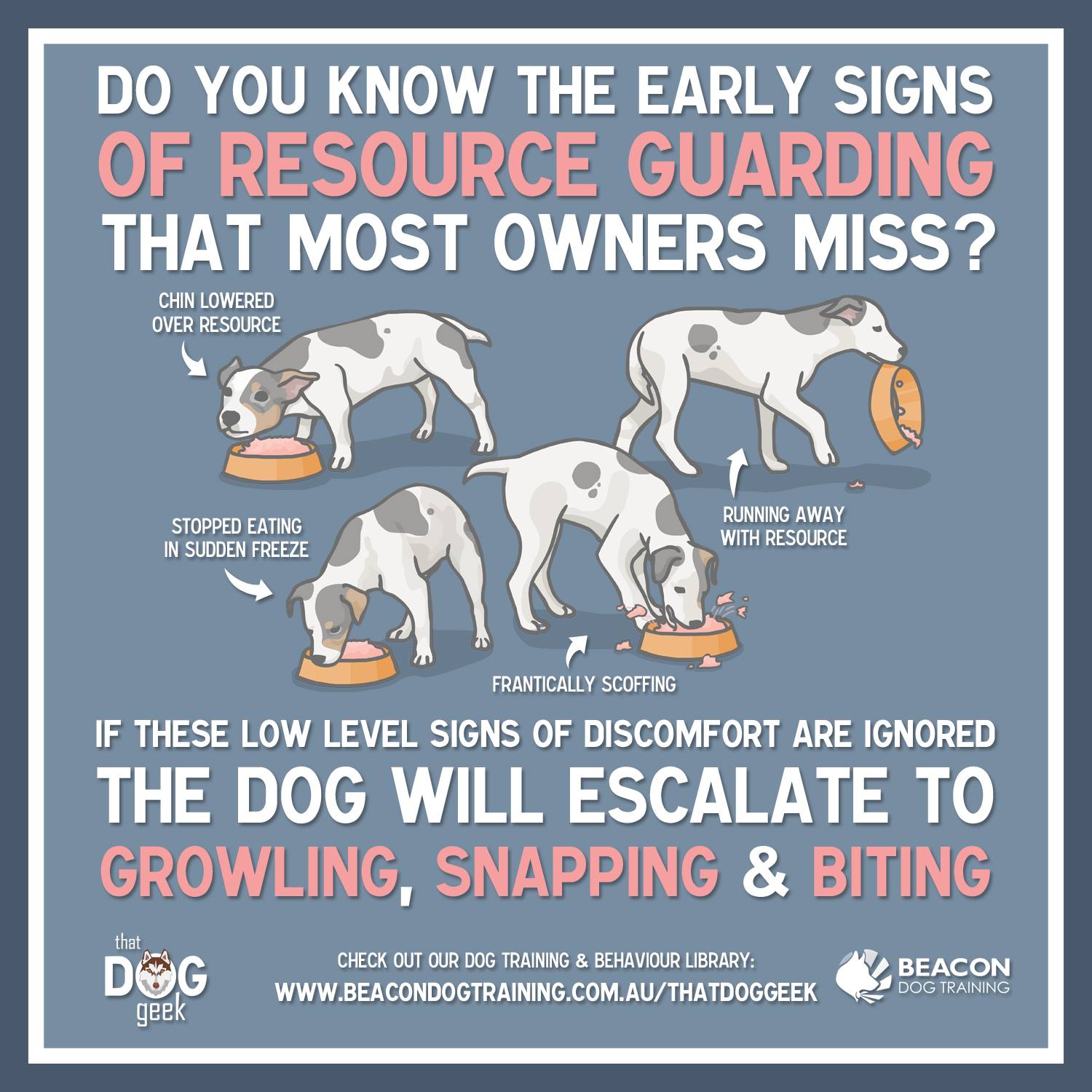
Dogs may growl or snap when guarding. Some freeze and stare intensely at a person. Others may stiffen their body or raise their hackles. A dog might also bark or lunge suddenly. Avoiding eye contact or moving away can be a sign. Watch for these behaviors around valued items or people.
Common Triggers
Food is the most common trigger for guarding. Dogs guard treats, bowls, or food areas. Toys and bones can also cause guarding behavior. A dog may guard a favorite person from others. Sometimes, guarding happens around resting places like beds. These triggers cause stress or fear in dogs.
Why Dogs Guard People
Dogs guard people for many reasons. It is a natural behavior rooted in their instincts and emotions. Understanding why dogs guard helps you manage and reduce this behavior safely. Some dogs protect out of love, while others do it out of fear.
Instinct And Protection
Dogs have strong instincts to protect their family. They see their owner as part of their pack. Guarding is a way to keep their pack safe from threats. This behavior comes from their wild ancestors. Protecting people is a sign of loyalty and care. It helps dogs feel in control and important.
Anxiety And Fear Factors
Fear can cause dogs to guard people too. Some dogs feel unsafe or nervous around strangers. Guarding becomes a way to feel secure. Anxiety makes dogs more alert and reactive. Changes in the environment can increase fear. Understanding these feelings helps reduce guarding behavior.
Safe Handling Techniques
Safe handling techniques are key to managing a dog that guards people. They help reduce tension and keep everyone safe. Knowing how to act and move around a guarding dog can prevent problems. These methods focus on respect and care for the dog’s feelings. They teach you to stay calm and avoid actions that might scare or upset the dog. This creates a safer space for both you and the dog.
Avoiding Confrontation
Never try to take items directly from a dog’s mouth or space. This can make the dog feel threatened. Instead, give the dog room and time to relax. Step back slowly and avoid sudden moves. Do not stare into the dog’s eyes as this can seem like a challenge. Use gentle gestures and soft voices to show you mean no harm. Avoid grabbing or pushing the dog near guarded areas.
Using Calm Body Language
Stand sideways to the dog instead of facing it head-on. Keep your hands low and relaxed. Avoid sudden movements or loud noises. Speak softly and slowly to help the dog stay calm. Lower your body to the dog’s level without looming over it. Use slow, smooth motions when reaching out. Calm body language helps build trust and lowers the dog’s guard.
Training Methods To Reduce Guarding
Training a dog to stop guarding a person takes patience and care. It involves teaching the dog to feel safe and trust people around them. Using the right methods helps reduce fear and protectiveness. The training should focus on positive experiences and gentle changes.
Positive Reinforcement
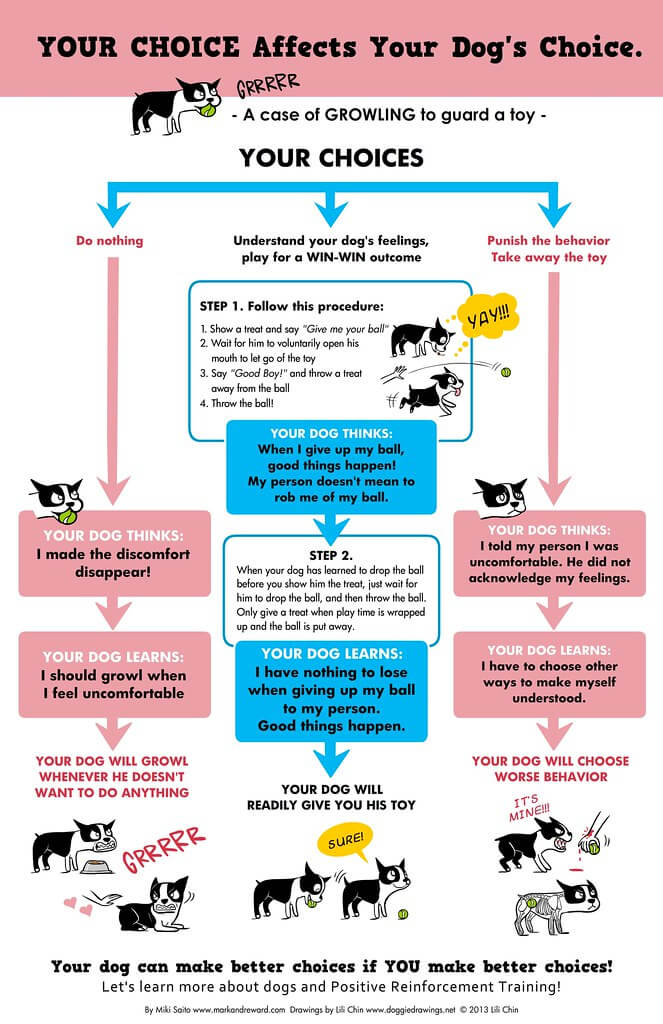
Positive reinforcement means giving rewards for good behavior. Offer treats or praise when the dog stays calm near a person. This encourages the dog to repeat the calm actions. Avoid punishment, as it can make guarding worse. Rewarding good choices builds trust and reduces fear.
Desensitization Exercises
Desensitization means slowly exposing the dog to what it guards. Start with small, safe steps and increase exposure over time. For example, have a person stand near the dog without touching. Repeat this until the dog feels relaxed. This helps the dog get used to the presence without feeling threatened.
Counter-conditioning
Counter-conditioning changes the dog’s feelings about a situation. Pair the person near the dog with something the dog likes. Give treats or toys when the person is close. This helps the dog see the person as a friend, not a threat. Over time, the dog’s guarding behavior will decrease.
Building Trust Between Dog And Person
Building trust between a dog and a person is key to stopping resource guarding. Trust helps the dog feel safe and secure. This makes the dog less likely to guard people or objects. Trust grows with patience and positive experiences. It takes time but creates a strong bond.
Consistent Interaction
Spend time with the dog every day. Simple actions like talking softly and gentle petting help. Keep your movements slow and calm. Avoid sudden gestures that might scare the dog. Consistency in your behavior helps the dog understand what to expect. This reduces fear and guarding instincts. Regular, kind contact builds trust step by step.
Rewarding Good Behavior
Give treats when the dog shows calm behavior near people. Praise the dog with a happy voice and petting. Reward ignoring objects or people with kindness. This teaches the dog that sharing space brings good things. Use small treats to keep the dog focused. Positive rewards encourage the dog to trust and relax. Over time, guarding will reduce as trust grows.
When To Seek Professional Help
Knowing when to seek professional help is key to stopping a dog from guarding a person. Some behaviors are too complex for owners to handle alone. Getting expert advice protects both the dog and everyone around.
Recognizing Serious Issues
Resource guarding can be mild or severe. Watch for signs like growling, snapping, or biting. These show the dog feels very threatened. Guarding that hurts family members or guests is a serious problem. Avoid punishment, as it may worsen the behavior. Professional help is needed to safely manage these risks.
Choosing The Right Trainer
Not all trainers know how to handle resource guarding. Pick someone with experience in dog behavior problems. Look for certified trainers or animal behaviorists. They use gentle methods based on trust and reward. A good trainer will guide you step-by-step to change your dog’s guarding habits safely.
Preventing Future Resource Guarding
Preventing future resource guarding is key to a peaceful home. Dogs guard people when they feel unsure or threatened. Stopping this behavior needs patience and clear steps. Prevention helps your dog feel safe and calm around people. It also builds trust between you and your dog.
Establishing Boundaries
Set clear rules for your dog. Teach your dog where they can and cannot be. Do not allow your dog to block access to people. Use gentle commands to guide your dog’s behavior. Make sure everyone in the house follows the same rules. This consistency helps your dog understand limits. Boundaries reduce the chance your dog will guard people.
Ongoing Training Tips
Train your dog every day with simple exercises. Use positive rewards like treats or praise. Practice sharing games to encourage trust. Teach your dog to give items on command. Work on calm greetings with visitors and family. Watch your dog’s body language closely. Stop guarding signs early by redirecting attention. Regular training keeps guarding behavior low and your dog happy.
Credit: www.doggoneproblems.com
Credit: www.oaklandanimalservices.org
Frequently Asked Questions
What Is Resource Guarding In Dogs?
Resource guarding is when a dog protects people or things by growling or snapping.
Why Do Dogs Guard A Person?
Dogs guard people due to fear, anxiety, or past bad experiences.
How Can I Tell If My Dog Is Guarding Me?
Watch for stiff body, growling, or snapping when others approach you.
Can Training Stop A Dog From Guarding A Person?
Yes, consistent training and positive rewards help reduce guarding behaviors.
Should I Avoid Touching My Dog During Guarding Episodes?
Avoid sudden touch; stay calm and use treats to redirect the dog’s focus.
When Should I Seek Professional Help For Resource Guarding?
Seek help if guarding causes danger or worsens despite training efforts.
Conclusion
Stopping a dog from guarding a person takes patience and care. Use gentle training to build trust and reduce fear. Stay calm and consistent in your approach every day. Reward good behavior with treats and praise. Avoid punishment, as it can make guarding worse.
Watch your dog’s body language closely to prevent problems. Small, steady steps bring the best results. Remember, your dog wants to feel safe and loved. Keep working together, and you will see progress soon.
As an Amazon Associate, I earn from qualifying purchases.