If your dog’s ear is bleeding, you might feel scared and unsure of what to do next. You want to help your furry friend quickly and safely, but stopping the bleeding can seem tricky.
This guide will show you simple, clear steps to take right away to control the bleeding and keep your dog comfortable. By reading on, you’ll learn how to act fast and avoid common mistakes that could make things worse. Your dog’s health and comfort matter—and with the right knowledge, you can handle this situation confidently.
Causes Of Ear Bleeding In Dogs
Ear bleeding in dogs can be scary for pet owners. Understanding the causes helps in quick action and proper care. Various issues can lead to bleeding, from infections to injuries. Identifying the cause is important for effective treatment and to stop the bleeding fast.
Infections And Inflammation
Ear infections are common in dogs and often cause bleeding. Bacteria, yeast, or mites can irritate the ear canal. The irritation leads to inflammation and sometimes bleeding. Dogs may scratch or shake their heads, worsening the problem.
Ear Injuries And Trauma
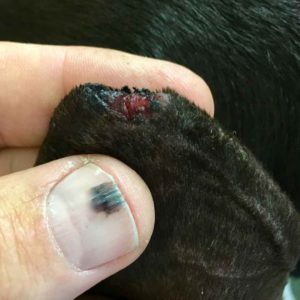
Trauma to the ear can cause bleeding. Dogs can hurt their ears by scratching, biting, or hitting objects. Accidents or fights with other animals may also cause cuts or tears. These injuries often need veterinary attention to stop the bleeding and prevent infection.
Foreign Objects In Ear
Small objects like grass seeds or dirt can get stuck inside a dog’s ear. These foreign objects cause irritation and damage to the ear canal. The damage may lead to bleeding. Removing the object quickly reduces harm and bleeding risk.
Allergic Reactions
Allergies can cause ear problems in dogs. Allergic reactions lead to itching and inflammation. Dogs scratch their ears a lot, causing wounds and bleeding. Managing allergies helps reduce ear bleeding and discomfort.
Tumors And Growths
Tumors or abnormal growths inside the ear can cause bleeding. These lumps may be benign or cancerous. They irritate the ear tissue, leading to bleeding and discharge. A vet should examine any unusual bumps or bleeding in the ear.

Credit: thedogfirstaid.co
Immediate Steps To Take
Seeing your dog with a bleeding ear can be alarming. Taking quick and calm action helps control the situation. Follow these steps to manage bleeding before getting professional help. Act gently to avoid making your dog scared or hurt more.
Calming Your Dog
Stay calm and speak softly to your dog. Use a gentle voice to soothe and reassure them. Hold your dog still but do not squeeze or hurt them. A calm dog is easier to care for and less likely to struggle.
Inspecting The Ear Safely
Check the ear carefully without pushing deep inside. Look for cuts, swelling, or foreign objects. Use a clean cloth to wipe away blood gently. Avoid poking with fingers or tools to prevent more damage.
Stopping The Bleed
Apply light pressure with a clean cloth or gauze. Hold steady for several minutes to help clotting. Do not use cotton balls that can leave fibers behind. If bleeding does not stop, seek veterinary care immediately.
Home Remedies For Ear Bleeding
Ear bleeding in dogs can be scary. You want to help fast and safe. Some home remedies can stop the bleeding. These methods are simple and use items at home. They can calm your dog until a vet visit.
Using Clean Cloth Or Gauze
First, find a clean cloth or gauze. Gently press it on the bleeding ear. Do not push hard. Light pressure helps stop the blood. Keep the cloth there for a few minutes. Change it if it gets soaked with blood. This keeps the area clean and dry.
Applying Cold Compress
Cold helps reduce swelling and bleeding. Wrap ice cubes in a cloth. Do not put ice directly on the skin. Hold the cold compress on the ear for 5 to 10 minutes. Take breaks between applications. This slows the blood flow and eases pain.
Natural Antiseptics
Natural antiseptics can clean the wound. Use diluted apple cider vinegar or coconut oil. Apply a small amount around the ear’s edge. Avoid putting anything deep inside the ear canal. These natural products fight bacteria and reduce infection risk.
When To See A Vet
Knowing when to visit a vet is crucial for your dog’s health. Some ear injuries need quick professional care. Delaying treatment can cause serious problems. Watch your dog carefully and act fast if needed.
Signs Of Severe Injury
Deep cuts or large wounds on the ear need urgent vet care. If your dog’s ear looks torn or badly damaged, do not wait. Severe pain or sudden swelling also shows a serious problem. These injuries need proper cleaning and treatment to heal well.
Persistent Bleeding
Bleeding that does not stop after 10-15 minutes is a warning. Use a clean cloth to press gently on the ear. If blood keeps coming, visit the vet immediately. Persistent bleeding can mean a broken blood vessel or a deeper injury.
Signs Of Infection
Watch for redness, swelling, or a bad smell around the ear. Your dog may scratch or shake its head a lot. Yellow or green discharge is a common sign of infection. Infections need medicine from the vet to prevent spreading and pain.
Preventing Future Ear Bleeding
Preventing future ear bleeding in dogs is important for their health and comfort. Regular care and attention can reduce the chances of bleeding. Understanding simple steps helps keep your dog’s ears safe and healthy.
Regular Ear Cleaning
Cleaning your dog’s ears regularly removes dirt and wax. Use a vet-approved cleaner and soft cotton balls. Never use cotton swabs inside the ear canal. Clean ears help avoid infections that cause bleeding. Check ears weekly for redness or bad smell.
Avoiding Ear Trauma
Protect your dog from rough play that might hurt the ears. Avoid pulling or tugging on ears during grooming. Keep sharp objects away from your dog’s head. Use gentle handling to prevent scratches or cuts. Trauma can lead to bleeding and infection.
Managing Allergies
Allergies often cause itching and ear problems. Identify allergens like certain foods or pollen. Work with your vet to control your dog’s allergies. Use prescribed medications or special diets as advised. Managing allergies reduces ear inflammation and bleeding risks.
Credit: www.walkervillevet.com.au

Credit: www.wikihow.com
Frequently Asked Questions
How Can I Stop My Dog’s Ear Bleeding Quickly?
Apply gentle pressure with a clean cloth to stop bleeding fast.
What Causes Bleeding In A Dog’s Ear?
Common causes include ear infections, injuries, or ear mites.
When Should I See A Vet For My Dog’s Ear Bleed?
Visit a vet if bleeding lasts more than 10 minutes or worsens.
Can I Clean My Dog’s Ear If It Is Bleeding?
Avoid cleaning the ear until bleeding stops to prevent more damage.
How Do I Prevent My Dog’s Ear From Bleeding Again?
Keep ears clean and check regularly for signs of infection or injury.
What Home Remedies Help With A Bleeding Dog’s Ear?
Cold compresses can reduce bleeding and swelling before seeing a vet.
Conclusion
Stopping your dog’s ear bleeding quickly helps prevent serious problems. Clean the area gently and apply light pressure. Watch your dog closely for signs of pain or infection. Seek veterinary care if bleeding lasts more than a few minutes. Early action keeps your dog safe and comfortable.
Remember, careful care makes all the difference. Taking these steps can protect your dog’s health and happiness. Keep calm and act fast to help your furry friend.
As an Amazon Associate, I earn from qualifying purchases.