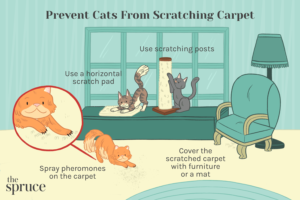
Is your leather couch looking scratched and worn from your cat’s claws? You’re not alone.
Many cat owners struggle to protect their furniture without upsetting their furry friends. The good news is, you can stop your cat from clawing your leather couch—and keep both your pet and your furniture happy. You’ll discover simple, effective ways to protect your couch and understand why your cat scratches in the first place.
Keep reading, because your couch deserves better, and your cat can learn new habits without stress.

Credit: chetanananda.org
Why Cats Claw Furniture
Cats claw furniture for several natural reasons. Understanding why cats do this helps protect your leather couch better. Clawing is normal cat behavior. It meets their needs and keeps them healthy.
Natural Instincts
Clawing is part of a cat’s natural instincts. Cats use their claws to hunt and climb. Scratching helps remove old claw layers. It keeps claws sharp and ready.
Marking Territory
Cats mark their territory by clawing surfaces. Their paws have scent glands. Scratching leaves both marks and scent. This tells other animals the area is theirs.
Exercise And Stretching
Clawing helps cats stretch their muscles. It works their paws, legs, and back. Scratching is a form of exercise for cats. It keeps them flexible and strong.
Signs Your Cat Is About To Scratch
Cats do not scratch without signs. Watching these signs helps stop damage early. Recognizing when your cat plans to scratch protects your leather couch. Pay attention to their behavior and sounds. This awareness keeps your furniture safe.
Body Language
Cats show many clues before scratching. Their back may arch slightly. Tail twitches or flicks quickly. Ears point forward or move around. Eyes focus on the couch or surface. They might crouch low, ready to pounce.
Scratching Sounds
Listen carefully for soft scratching noises. These happen before claws hit the couch hard. Sometimes, you hear gentle scraping or tapping. Early sounds warn you to act fast. They signal your cat’s intention clearly.
Preferred Spots
Every cat has favorite places to scratch. Check corners or edges of the couch. Look for worn or rough leather areas. Cats often return to these spots repeatedly. Knowing these areas helps you protect them better.
Protecting Your Leather Couch
Leather couches look great but cats love to claw them. Protecting your leather couch keeps it looking new. It also saves you money on repairs. Use simple tools and tricks to stop the damage. These methods help train your cat without stress.
Using Couch Covers
Couch covers act as a strong barrier. They stop your cat’s claws from touching leather. Choose covers made of thick fabric or plastic. Covers are easy to clean and replace. They protect your couch while still looking nice. Your cat will feel the texture and may lose interest.
Applying Deterrent Sprays
Deterrent sprays smell unpleasant to cats but are safe. Spray the couch lightly on areas your cat claws. The scent keeps cats away from your leather. Many sprays use natural ingredients like citrus or herbs. Apply sprays regularly for best results. Avoid spraying directly on leather to prevent damage.
Double-sided Tape Trick
Double-sided tape feels sticky and strange under cat paws. Place strips on spots your cat likes to claw. Cats dislike sticky surfaces and avoid those areas. The tape protects your couch and trains your cat. Replace the tape as it loses stickiness to keep working.
Redirecting Clawing Behavior
Redirecting your cat’s clawing behavior helps protect your leather couch. Cats need to scratch to keep their claws healthy. They also scratch to mark their space and stretch their muscles. Helping your cat use proper scratching spots reduces damage to furniture. Offering good alternatives makes your cat happy and saves your couch.
Providing Scratching Posts
Offer sturdy scratching posts near the couch. Cats prefer tall posts to stretch fully. Posts should be stable so they do not wobble. Use posts covered with rough materials that feel good to claws. Encourage your cat to use the post by playing or placing treats there. Replace worn-out posts to keep your cat interested.
Choosing The Right Materials
Select scratching posts with materials cats like. Sisal rope is a favorite for many cats. Cardboard scratchers also work well for some cats. Avoid soft fabrics that your cat can tear easily. Rough textures help cats remove old claw layers. Testing different materials helps find what your cat prefers.
Placement Tips
Place scratching posts where your cat spends time. Near the couch is ideal to redirect clawing. Put posts in areas with good light and quiet. Avoid placing posts in busy or noisy spots. Multiple posts in different rooms increase chances of use. Moving posts slightly can help find your cat’s favorite spot.
Training Techniques
Training your cat to stop clawing the leather couch takes time and effort. Using proper techniques helps your cat learn good habits. Training builds trust and strengthens your bond.
Focus on teaching your cat what is okay to scratch. Reward good behavior and gently redirect bad behavior. This approach makes learning easier and more effective.
Positive Reinforcement
Give your cat treats when it scratches the right place. Praise your cat with a happy voice or petting. This shows your cat which actions you like.
Ignore or softly say “no” when it claws the couch. Avoid yelling or punishment. Positive reinforcement encourages good habits better than fear.
Using Clicker Training
Clicker training helps your cat understand what you want. Use a small clicker sound before giving a treat. Your cat learns to connect the click with a reward.
Start by clicking when your cat uses a scratching post. Repeat often to build the habit. The click signals success and guides your cat’s behavior clearly.
Consistency And Patience
Train your cat every day for short sessions. Cats learn best with steady routines. Be patient and calm, even if progress is slow.
Keep training tools like scratchers in the same place. Consistency helps your cat remember what to do. Over time, your cat will choose the right spot to scratch.
Regular Nail Care
Regular nail care is key to protecting your leather couch from cat scratches. Cats naturally use their claws to stretch and mark territory. Keeping nails trimmed or covered helps reduce damage. It also keeps your cat comfortable and healthy.
Consistent care prevents sharp claws from tearing leather. It requires patience and gentle handling. Nail care builds trust between you and your pet. It also makes your home more peaceful.
Trimming Nails Safely
Use a proper cat nail clipper for trimming. Hold your cat’s paw firmly but gently. Only cut the sharp tip of the nail. Avoid the pink part called the quick. Cutting the quick causes pain and bleeding.
Trim nails every two to three weeks. Keep treats ready to reward calm behavior. If your cat resists, try trimming a few nails at a time. Stay calm and patient during the process.
Using Nail Caps
Nail caps are soft covers glued over cat claws. They prevent scratching damage while allowing natural claw use. Choose the right size for your cat’s nails. Apply with special pet-safe glue.
Caps last for weeks and fall off naturally. They are safe and painless for cats. Check caps regularly to ensure they stay secure. Nail caps are a good option for active scratchers.
When To Seek Professional Help
Visit a vet or groomer if nail care is too hard. Professionals trim nails safely and without stress. They can also check for nail infections or injuries.
Seek help if your cat’s nails grow too fast or curl. Painful nails need expert care. A professional can advise on long-term nail care options.
Environmental Enrichment
Environmental enrichment helps keep cats happy and less likely to scratch your leather couch. It means giving your cat things to do and places to explore. This keeps their mind busy and their claws busy elsewhere.
Interactive Toys
Interactive toys attract a cat’s attention and encourage play. Toys that move or make noise can excite them. Puzzle feeders also challenge their minds and keep them busy. This reduces boredom, which often causes scratching.
Climbing Structures
Cats love to climb and perch high. A sturdy cat tree or shelves let them climb safely. This satisfies their natural urge to explore vertical spaces. Climbing structures also provide scratching posts to protect your furniture.
Playtime Routines
Regular playtime helps use up your cat’s energy. Short, frequent sessions work best. Use wand toys or balls to engage them. Playtime builds a bond and reduces destructive behavior. It teaches your cat to enjoy their toys, not the couch.
Credit: www.reddit.com

Credit: www.hereforclimate.org
Frequently Asked Questions
How Can I Stop My Cat From Scratching The Leather Couch?
Place scratching posts near the couch and use deterrent sprays on leather to redirect scratching.
Why Do Cats Scratch Leather Furniture?
Cats scratch to mark territory and keep their claws sharp and healthy.
What Safe Sprays Keep Cats Off Leather Couches?
Use pet-safe citrus or bitter apple sprays; cats dislike these smells.
How Often Should I Trim My Cat’s Claws?
Trim claws every 1-2 weeks to reduce damage to furniture.
Can Scratching Posts Protect My Leather Couch?
Yes, providing good scratching posts diverts cats from scratching leather sofas.
Should I Cover My Leather Couch To Prevent Scratching?
Covering with slipcovers or blankets can protect leather but may not stop scratching behavior.
Conclusion
Stopping your cat from clawing the leather couch takes patience and care. Offer your cat a scratching post nearby to protect your furniture. Use gentle deterrents to discourage scratching on the couch. Trim your cat’s nails regularly to reduce damage.
Reward good behavior with treats and praise. Remember, your cat scratches naturally, so provide safe options. Protect your couch while keeping your cat happy. Small steps each day make a big difference. Stay consistent and patient for the best results.
As an Amazon Associate, I earn from qualifying purchases.