Is your cat constantly scratching your door frame, leaving behind ugly marks and damaged wood? You’re not alone, and it can be really frustrating to see your home looking worn out because of this behavior.
But don’t worry—there are simple, effective ways to stop your cat from scratching your door frame, without hurting your furry friend or your home. You’ll discover easy tips that work, so you can protect your doors and keep your cat happy at the same time.
Keep reading, and say goodbye to those scratched-up door frames for good!

Credit: moribellevue.com
Why Cats Scratch
Cats scratching door frames can be puzzling and frustrating. Understanding why cats scratch helps find better solutions. Scratching is a natural behavior for cats. It serves many purposes beyond just causing damage. Knowing these reasons can help you protect your home and keep your cat happy.
Natural Instincts
Scratching is part of a cat’s natural instincts. Cats have sharp claws that need regular care. Scratching helps remove old claw layers. It keeps their claws sharp and healthy. This behavior also stretches their muscles. It feels good and keeps them active.
Marking Territory
Cats use scratching to mark their territory. Their paws have scent glands. Scratching leaves a scent only other cats can smell. It sends a message: “This area belongs to me.” This helps cats feel safe and secure in their space.
Stress And Boredom
Scratching can happen when cats feel stressed or bored. It is a way to relieve tension. It also provides mental stimulation. Without enough playtime, cats might scratch more. Keeping cats busy reduces unwanted scratching behavior.
Common Door Frame Damage
Cat scratching on door frames is a common problem. It can cause visible damage and ruin the look of your home. Understanding the types of damage helps to find the right solution. Cats scratch for many reasons, including marking territory and sharpening claws. Knowing where cats like to scratch helps to protect those areas better.
Types Of Scratches
Scratches on door frames vary in depth and size. Some are shallow, just marks on the paint or finish. Others are deeper, cutting into the wood or material. Deep scratches weaken the door frame and may need repairs. Small scratches can often be fixed with simple touch-ups. The damage often includes chipped paint and splintered wood.
Areas Cats Target
Cats prefer certain spots on door frames. They like the edges and corners because these spots feel good for scratching. The vertical sides of the frame get the most damage. Lower parts of the door frame are common targets since cats scratch at claw level. Near door handles and hinges also get scratched often. These spots are perfect for cats to stretch and scratch their claws.
Preventive Measures
Preventing your cat from scratching door frames protects your home and keeps your pet happy. Simple steps can reduce damage and discourage this behavior. These easy actions help protect wood and paint.
Trim Your Cat’s Claws
Short claws cause less damage to door frames. Trim your cat’s claws regularly using a nail clipper made for pets. Be careful not to cut the quick, which can hurt your cat. Frequent trimming keeps claws blunt and less sharp.
Use Protective Coverings
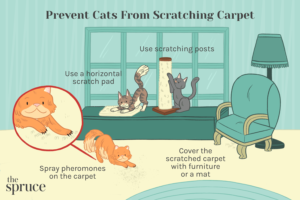
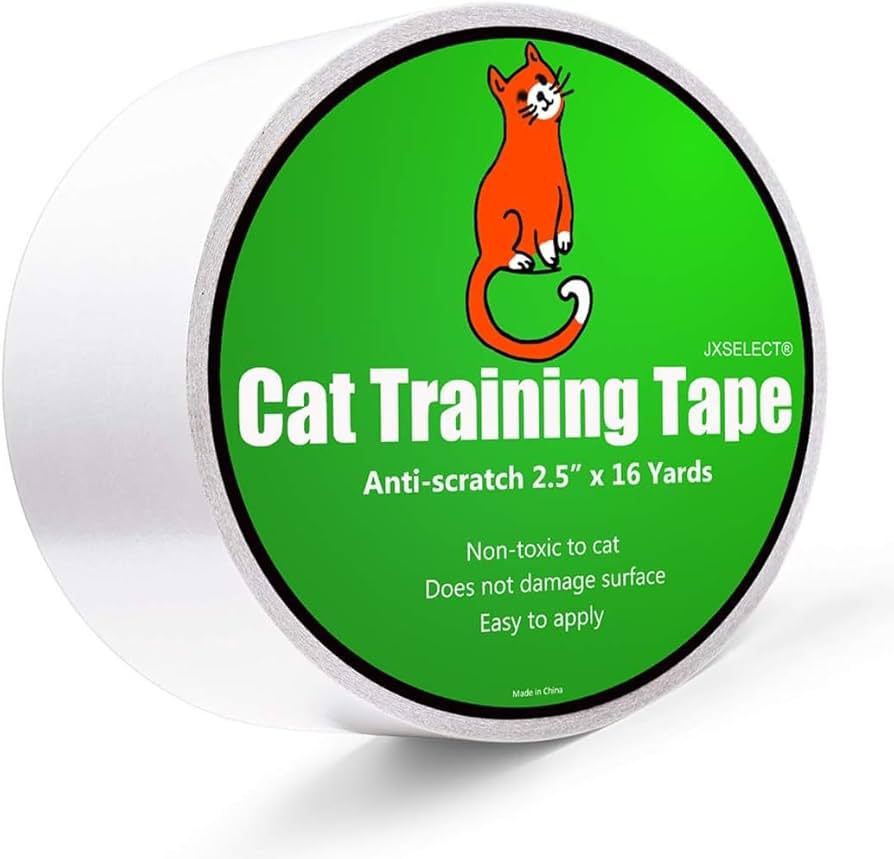
Cover door frames with clear plastic or vinyl guards. These protect the wood from scratches and are hard for cats to dig into. You can also try double-sided tape or aluminum foil. Cats dislike the texture and avoid scratching these surfaces.
Apply Deterrent Sprays
Spray deterrent products on door frames to discourage scratching. Choose sprays safe for cats and non-toxic. The scent or taste discourages cats from scratching the area. Reapply sprays often to keep them effective.

Credit: www.amazon.com
Redirecting Scratching Behavior
Redirecting scratching behavior helps protect your door frames. Cats scratch to mark territory and keep claws sharp. Providing the right outlets can change their focus. This makes your home safer and your cat happier.
Provide Scratching Posts
Give your cat sturdy scratching posts. Posts should be tall enough to allow full stretching. They help satisfy the cat’s natural urge to scratch. Having these posts reduces damage to furniture and walls.
Choose Attractive Materials
Select materials cats like to scratch. Sisal, cardboard, and carpet work well. Cats prefer rough textures that feel good on their claws. Avoid smooth or slippery surfaces that cats ignore.
Place Posts Near Door Frames
Put scratching posts close to the damaged door frames. Cats will find the posts instead of the door. This makes it easier to change their habits. Keep posts in visible, easy-to-reach spots.
Training And Positive Reinforcement
Training and positive reinforcement help change your cat’s scratching habits. Cats learn best with rewards and clear signals. Patience and consistency make training easier for both you and your cat. This approach builds trust and encourages good behavior.
Reward Good Behavior
Give treats or praise when your cat scratches a proper item. Use toys or petting as rewards too. This shows your cat what actions are right. Rewards help your cat repeat the good behavior.
Use Consistent Commands
Choose simple words like “no” or “stop” for unwanted scratching. Say the command firmly but calmly every time. Consistent commands help your cat understand what you expect. Avoid changing words to prevent confusion.
Avoid Punishment
Never hit or shout at your cat for scratching. Punishment may cause fear and stress. Stress can lead to more bad behavior. Focus on guiding your cat gently toward good habits instead.
Environmental Enrichment
Environmental enrichment helps keep your cat busy and happy. Cats scratch to mark territory and to stretch muscles. If their environment is dull, they may scratch door frames. Changing their surroundings can reduce this behavior. Provide fun and challenges to keep them distracted.
Increase Playtime
Playtime gives your cat a chance to use energy. Spend at least 15 minutes twice a day playing. Use toys that mimic prey, like feathers or strings. This helps satisfy their hunting instinct. Tired cats are less likely to scratch doors.
Introduce Interactive Toys
Interactive toys keep your cat busy and curious. Toys that move or make sounds attract attention. Puzzle feeders also challenge their mind and body. These toys reduce boredom and stress. A busy cat scratches less on furniture.
Create Climbing Spaces
Cats love to climb and explore high places. Install cat trees or shelves near the door. These give your cat a safe spot to scratch and climb. Vertical spaces satisfy their natural needs. This can protect your door frames from damage.
When To Consult A Vet
Knowing when to consult a vet is key to stopping your cat from scratching door frames. Some scratching happens naturally. But constant scratching may signal a bigger problem. A vet can help find the cause and suggest the right treatment. Watch your cat closely for signs that need professional care.
Signs Of Stress Or Anxiety
Stress can make cats scratch more than usual. Look for changes in appetite or sleeping habits. Your cat may hide or show aggression. Excessive meowing or restlessness can also appear. These signs suggest your cat feels anxious. A vet can help reduce this stress safely.
Behavioral Issues
Scratching can become a bad habit or a sign of boredom. Cats need mental and physical exercise daily. If scratching is constant, your cat might need more playtime. Sometimes, behavior problems need expert advice. A vet can suggest training or calming strategies.
Health Concerns Affecting Scratching
Skin problems or pain may cause your cat to scratch door frames. Check for redness, swelling, or wounds on paws and body. Parasites like fleas can make scratching worse. Some illnesses affect your cat’s behavior and comfort. A vet can diagnose health issues and provide treatment.
Credit: www.amazon.com
Frequently Asked Questions
Why Does My Cat Scratch The Door Frame?
Cats scratch to mark territory, sharpen claws, and stretch muscles.
How Can I Protect My Door Frame From Cat Scratches?
Use double-sided tape, plastic guards, or furniture protectors on the frame.
What Are Safe Alternatives To Stop Cat Scratching?
Provide scratching posts, pads, or cat trees to redirect their behavior.
Can Trimming My Cat’s Nails Reduce Door Scratching?
Yes, regular nail trimming helps lessen damage from scratching.
Does Using Cat Deterrent Sprays Work On Door Frames?
Yes, sprays with safe scents can discourage cats from scratching.
How Do I Train My Cat To Stop Scratching Door Frames?
Gently redirect to scratching posts and reward positive behavior consistently.
Conclusion
Stopping your cat from scratching the door frame takes patience and care. Use scratching posts and keep your cat’s nails trimmed. Try double-sided tape or protective covers on the door frame. Praise your cat when it uses the right spot.
These small steps help protect your home and keep your cat happy. Remember, consistency is key. Your efforts will make a difference over time. Keep trying different methods until you find what works best. This helps both you and your cat live peacefully together.
As an Amazon Associate, I earn from qualifying purchases.