Is your beautiful leather couch looking worn out because of your cat’s scratching? You’re not alone, and it can be really frustrating to see those sharp claws ruin your favorite spot.
But don’t worry—there are simple and effective ways to protect your couch without upsetting your furry friend. You’ll discover easy tips that work, so you can keep your leather couch looking new and your cat happy at the same time.
Keep reading to find out how to stop cat scratching leather couch once and for all!
Credit: happyandpolly.com
Why Cats Scratch Furniture
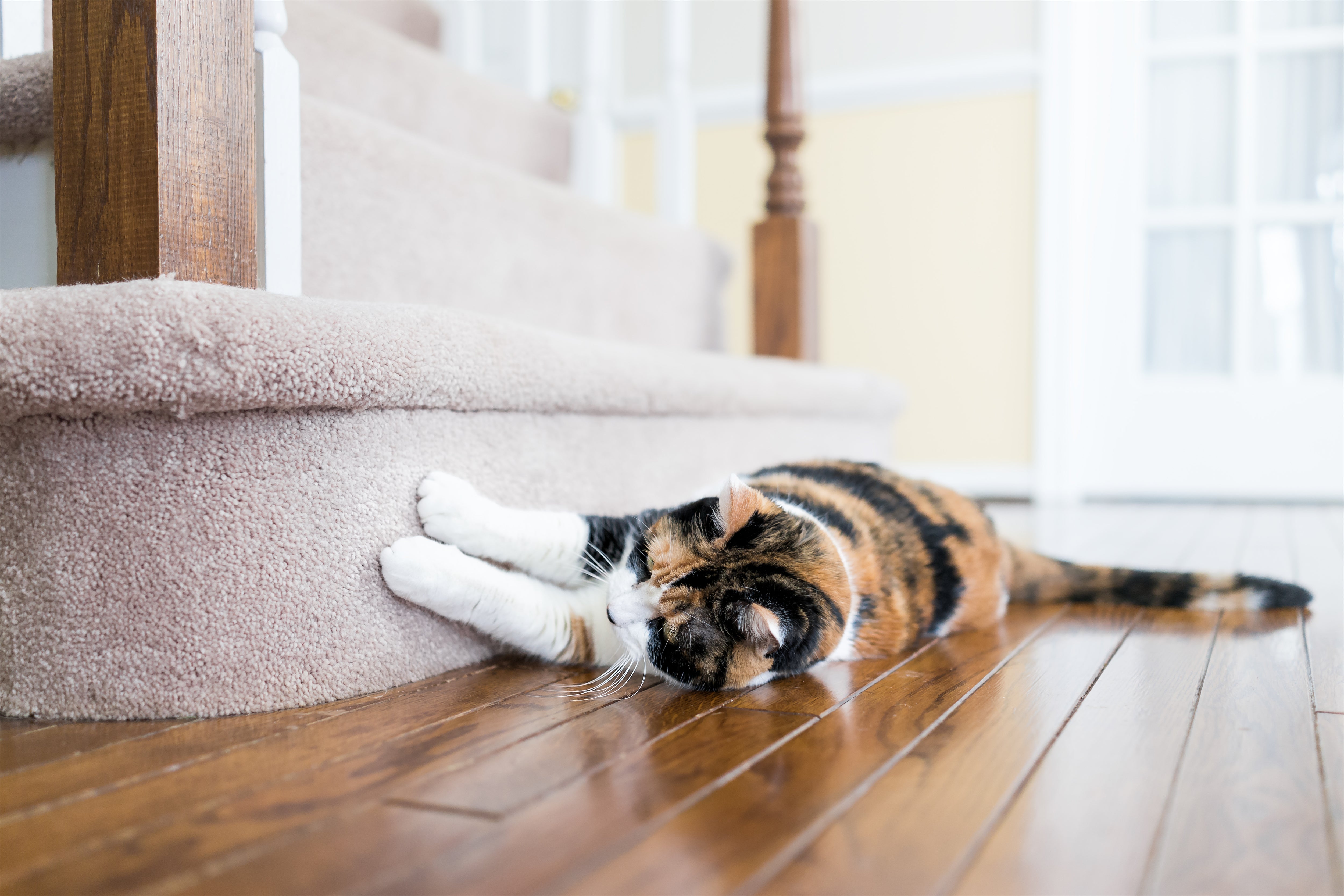
Cats scratching furniture is a common problem for many pet owners. Understanding why cats scratch helps in finding the right solution. Cats do not scratch just to annoy. It is part of their nature and behavior. Knowing the reasons behind this can help protect your leather couch better.
Natural Instincts
Scratching is a natural behavior for cats. It helps them keep their claws sharp and healthy. Cats use scratching to remove old claw sheaths. It also stretches their muscles and keeps them active. This instinct is strong, even for indoor cats.
Marking Territory
Cats have scent glands in their paws. Scratching leaves their scent on objects. This marks their territory and sends a message to other animals. It gives cats a sense of security in their space. Leather couches often become targets because they are large and stable.
Stress And Anxiety
Stress can cause cats to scratch more than usual. Changes in the home or routine make cats anxious. Scratching helps relieve this stress and calm their nerves. Providing safe outlets for scratching can reduce anxiety-driven damage.
Credit: www.produtoresflorestais.pt
Protecting Your Leather Couch
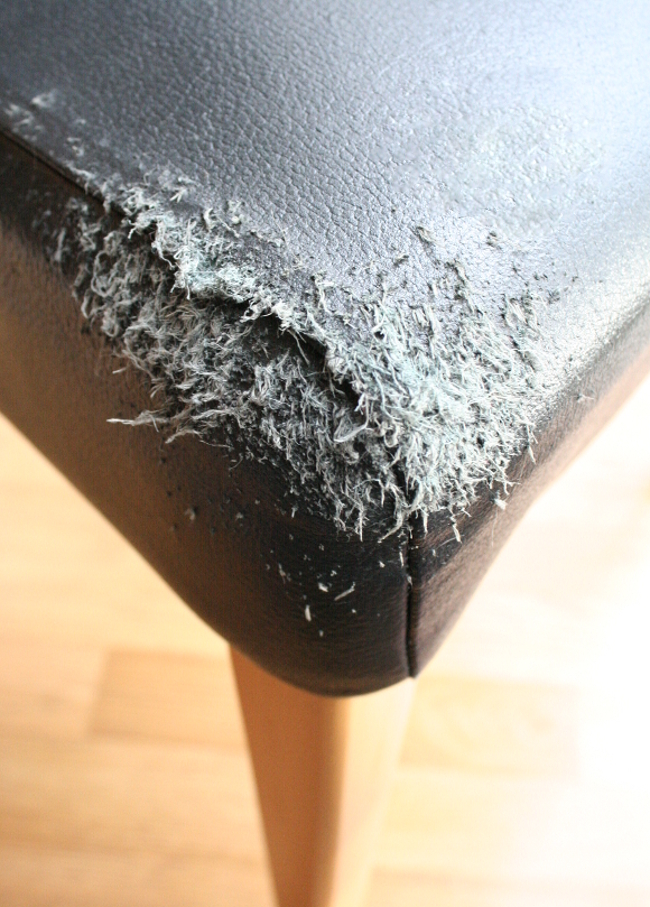
Protecting your leather couch from cat scratches helps keep it looking new. Cats have sharp claws that can easily damage leather. Taking simple steps can save you money and effort. These methods create a safe space for your couch and your cat.
Using Couch Covers
Couch covers provide a strong barrier between claws and leather. Choose thick fabric covers that resist scratches well. Covers are easy to clean and replace. They come in many colors and styles to match your room. Using covers means your couch stays safe without changing your decor.
Applying Furniture Protectors
Furniture protectors are sticky pads or sheets that stick to leather. They stop claws from making direct contact with the surface. Protectors are clear and do not change the look of the couch. Place them in common scratching spots to guard these areas. Protectors are affordable and simple to use.
Rearranging Furniture Layout
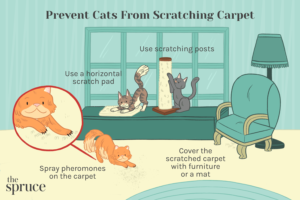
Moving your couch away from walls or other furniture can help. Cats like to scratch near edges and corners. Giving your couch more space reduces temptation. Try placing scratching posts near your couch. This guides your cat to scratch the right place, not the leather.
Deterring Cats From Scratching
Cats scratch to mark their space and keep their claws sharp. This natural behavior can damage your leather couch. Stopping cats from scratching takes patience and the right tools. Using deterrents helps teach cats to avoid the couch. These methods make the couch less appealing for scratching.
Using Deterrent Sprays
Deterrent sprays have smells cats dislike. These sprays are safe and easy to use on leather. Spray the areas your cat scratches most. The scent discourages cats from coming close. Repeat spraying to keep the smell strong. Cats soon learn to avoid the couch.
Double-sided Tape Method
Cats hate sticky surfaces on their paws. Place double-sided tape on couch corners and sides. The sticky feeling stops cats from scratching there. It is a cheap and simple way to protect leather. Remove tape after your cat loses interest. This method trains cats to find other spots.
Aluminum Foil And Other Textures
Many cats dislike the sound and feel of aluminum foil. Cover couch areas with foil to keep cats away. Some cats avoid rough or slippery textures too. Use mats or plastic sheets with different textures. Change textures often to keep cats curious. This reduces scratching on your leather couch.
Providing Alternatives For Scratching
Providing alternatives for scratching helps protect your leather couch. Cats need to scratch. It keeps their claws sharp and muscles stretched. Giving them proper places to scratch can stop them from ruining your furniture.
Offer your cat something better to scratch. This keeps them happy and your couch safe. Use scratching posts designed for cats. Place them where your cat likes to scratch most.
Choosing The Right Scratching Posts
Pick scratching posts made of strong, rough materials. Sisal rope or cardboard works well. Avoid soft fabrics that wear out fast. Choose posts tall enough for your cat to stretch fully. Some cats like horizontal scratchers too. Find one that fits your cat’s style.
Positioning Posts Strategically
Put scratching posts near the couch. Cats scratch near their resting spots. Also place posts in common play areas. Move them if your cat ignores them. Change spots until your cat uses the posts more. Keep the posts stable so they don’t fall.
Encouraging Use With Catnip
Sprinkle catnip on the scratching posts. Catnip attracts cats and makes posts more fun. Rub some on different parts of the post. Praise your cat when it uses the post. This builds good habits and keeps your couch safe.
Training And Behavioral Tips
Training your cat to stop scratching the leather couch takes patience and consistency. Cats scratch to stretch and mark their territory. Changing this habit means guiding them to better options and rewarding good behavior. Use clear and gentle methods to help your cat learn new habits.
Positive Reinforcement
Reward your cat when it scratches the right objects. Use treats or praise to show approval. This makes your cat want to repeat good behavior. Provide scratching posts and encourage your cat to use them. Positive reinforcement builds trust and helps change habits faster.
Redirecting Scratching Behavior
Move your cat gently away from the couch if it starts to scratch. Guide it to a scratching post or pad instead. Place scratching posts near the couch to catch attention. Use catnip or toys to make posts more attractive. Redirection helps your cat learn where it can scratch safely.
Avoiding Punishment
Never punish your cat for scratching the couch. Harsh reactions can create fear and stress. This may cause more unwanted behavior. Stay calm and patient during training. Focus on rewarding good actions, not punishing mistakes. A kind approach encourages better learning.
Maintaining Cat’s Nail Health
Maintaining a cat’s nail health helps protect your leather couch. Healthy nails are less likely to cause damage. Regular care keeps your cat comfortable and your furniture safe.
Regular Nail Trimming
Trim your cat’s nails every two to three weeks. Use sharp, pet-safe clippers for a clean cut. Avoid cutting too close to the quick to prevent pain. This simple step reduces sharp edges that scratch leather.
Using Nail Caps
Nail caps are soft covers placed over cat nails. They stop scratching without hurting your cat. Nail caps come in various sizes and colors. They need replacing every four to six weeks as nails grow.
Veterinary Care
Visit the vet for nail health checks. Some cats have nail problems needing professional care. Vets can trim nails safely and offer advice. Early care prevents serious scratching issues.

Credit: www.sinfoniagulfcoast.org
Frequently Asked Questions
How Can I Protect My Leather Couch From Cat Scratches?
Use a couch cover or soft furniture protectors to shield the leather from claws.
What Are Safe Alternatives To Stop Cats Scratching Leather?
Provide scratching posts or pads nearby to attract cats away from the couch.
Does Trimming Cat Nails Help Reduce Leather Damage?
Yes, regularly trimming your cat’s nails lowers the chance of deep scratches.
Can Sprays Deter Cats From Scratching Leather Furniture?
Sprays with scents cats dislike, like citrus, can discourage scratching on leather.
How Does Training Help Prevent Cat Scratching On Couches?
Training your cat to use scratching posts builds good habits and saves your couch.
Is Double-sided Tape Effective Against Cat Scratching On Leather?
Yes, cats dislike sticky tape, so applying it can keep them off the couch.
Conclusion
Stopping your cat from scratching the leather couch takes patience and care. Use scratching posts to redirect their behavior. Cover the couch with protective materials to keep it safe. Trim your cat’s nails regularly to reduce damage. Reward good behavior with treats or praise.
Remember, cats scratch to stretch and mark territory. Meeting their needs helps keep your couch intact. Small steps can make a big difference in your home. Protect your furniture and keep your cat happy too. Consistency is key in changing scratching habits.
As an Amazon Associate, I earn from qualifying purchases.