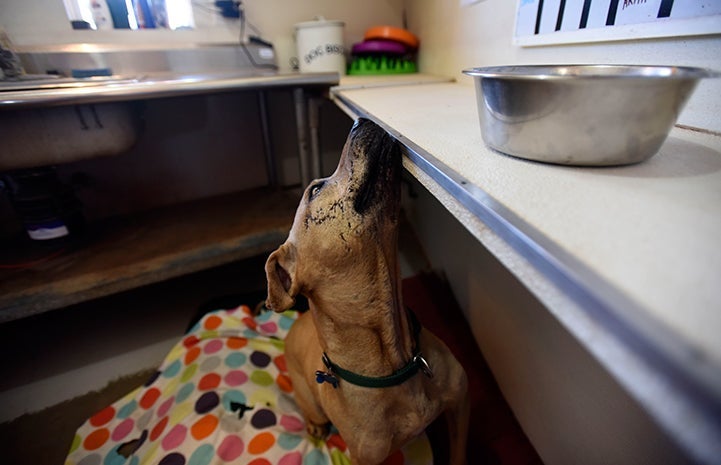
Are you tired of your dog jumping up and grabbing food off your counters? Counter surfing can be frustrating, messy, and even dangerous for your furry friend.
But don’t worry—you can stop this behavior for good. You’ll discover simple, effective steps to keep your dog off the counters and create a safer, happier home. Keep reading, and you’ll learn how to take control and enjoy a peaceful kitchen without constant worry.
Credit: bestfriends.org
Why Dogs Counter Surf
Dogs love to explore and find tasty treats. Counter surfing happens because dogs want easy access to food or interesting smells. Understanding why dogs do this helps stop the habit fast. Here are the main reasons dogs jump on counters.
Instincts And Curiosity
Dogs have strong instincts to explore their world. Counters hold many new smells and objects. Curiosity drives dogs to sniff and taste whatever they find. This natural urge can lead them to jump on counters.
Hunger And Food Motivation
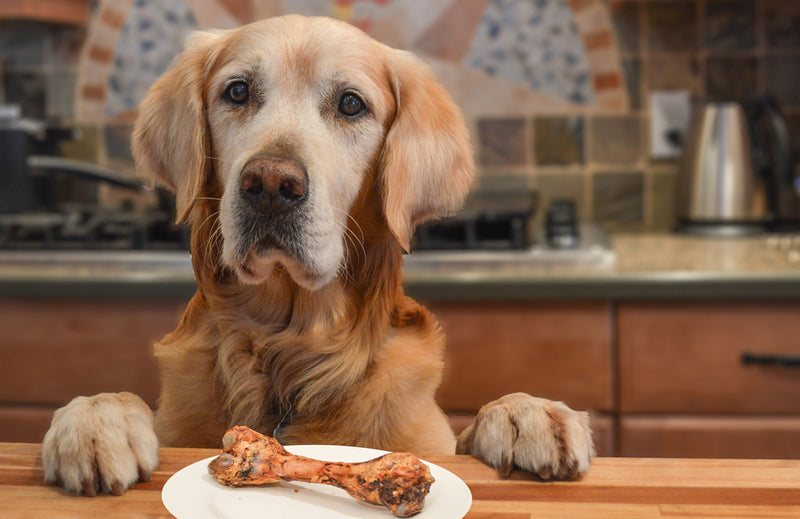
Food is a big motivation for dogs. If they feel hungry or see food on the counter, they try to get it. The sight and smell of food make counters very tempting places for dogs.
Lack Of Training
Dogs need clear rules about counters. Without training, they do not know counters are off-limits. When owners do not stop the behavior early, dogs keep counter surfing. Consistent training can teach dogs to stay off counters.
Credit: khpet.com
Risks Of Counter Surfing
Counter surfing is more than just a bad habit. It brings many risks for your dog and your home. Understanding these risks helps you act faster. Protect your dog’s health, behavior, and your property by stopping this habit early.
Health Hazards
Counter surfing can cause serious health problems for dogs. Dogs may eat harmful foods like chocolate or onions. These foods can poison them. Sharp objects like broken glass or knives on counters can injure dogs. Eating spoiled or dirty food can cause stomach upset. Some dogs swallow things that block their intestines. This needs emergency vet care. Protect your dog by keeping counters clear.
Behavioral Problems
Counter surfing creates bad habits in dogs. Dogs learn to ignore your rules. They may become more stubborn and sneaky. This behavior can spread to other areas like trash or tables. Dogs may start begging or stealing food more often. Ignoring this habit can cause stress for you and your dog. Training early stops these problems.
Damage To Property
Dogs on counters can cause damage around your home. They may knock over dishes, cups, or appliances. This can break valuable items. Food messes can stain or attract pests. Dogs climbing counters can scratch surfaces or cabinets. Repair costs add up quickly. Prevent damage by teaching dogs to stay off counters.
Preventive Measures
Stopping your dog from counter surfing is easier with the right steps. Preventive measures keep your dog safe and your kitchen clean. These steps help teach your dog what is okay to explore and what is not.
Keep Counters Clear
Remove all food and tempting items from counters. Dogs are less likely to jump up if there is nothing to find. Clean counters after cooking or eating to avoid leftover smells. Make it a habit to check counters before leaving your dog alone.
Use Barriers And Deterrents
Place baby gates or pet barriers to block kitchen access. These keep your dog out of the room completely. Try using mats with textures dogs dislike on counters. Sprays with safe but unpleasant scents can also help. These tools stop your dog before they start the habit.
Provide Adequate Exercise
Tired dogs are less likely to seek out food on counters. Walk your dog daily to burn off energy. Play games like fetch or tug to keep them busy. Mental games and training sessions also reduce boredom. A well-exercised dog stays calm and focused on you.
Training Techniques
Training your dog to stop counter surfing takes patience and consistency. Use simple commands and positive reinforcement. Teach your dog what is allowed and what is not. This helps create clear boundaries.
Teach Leave It Command
Start with the “Leave It” command to prevent your dog from grabbing food on counters. Hold a treat in your hand but do not give it. Say “Leave it” firmly. Wait for your dog to stop trying to get the treat. Once your dog backs off, reward with a different treat from your other hand. Practice this daily. Gradually use it near counters and kitchen areas. This command builds self-control in your dog.
Reward Good Behavior
Always praise and reward your dog for good behavior. When your dog stays away from the counter, give treats or affection. Use a happy tone to show approval. This teaches your dog that good actions bring rewards. Avoid punishment. Focus on positive moments. This method encourages your dog to repeat the right behavior.
Redirect Attention
Offer a toy or chew to distract your dog from counters. When your dog tries to jump on the counter, calmly redirect to the toy. Play or give treats to keep your dog busy. This helps your dog forget about the forbidden area. Redirecting also helps release energy in a healthy way. Keep toys accessible in the kitchen or dining room.
Using Management Tools
Using management tools helps prevent counter surfing by controlling your dog’s access. These tools guide your dog away from kitchen counters and keep them safe. They teach your dog limits without constant supervision. Management tools also reduce stress for you and your pet.
Crate Training Benefits
Crate training offers a safe space for your dog. It stops your dog from reaching counters unsupervised. The crate becomes a calm area that your dog loves. It helps your dog learn self-control over time. Use the crate during busy times or meal prep.
Leash And Tether Control
Leash or tether keeps your dog close in the kitchen. It stops your dog from jumping on counters. This control allows you to correct behavior quickly. Your dog learns boundaries and stays safe. Always supervise your dog while using a leash indoors.
Interactive Toys
Interactive toys distract your dog from counters. They keep your dog busy and mentally active. Toys like treat puzzles reward good behavior. This reduces boredom and the urge to counter surf. Rotate toys often to keep your dog interested.

Credit: www.dutch.com
When To Seek Professional Help
Knowing when to seek professional help is key to stopping your dog from counter surfing. Some behaviors need expert attention. Professionals can provide tailored advice and training methods. They help address stubborn or risky habits safely.
Signs Of Persistent Behavior
Your dog keeps jumping on counters despite your efforts. They show no signs of stopping or learning. The behavior may get worse or more frequent. Your dog might also take dangerous items like knives or toxic food. This behavior can cause harm or damage. Persistent counter surfing is a clear sign you need help.
Choosing A Trainer Or Behaviorist
Find a trainer with experience in dog behavior problems. Look for positive reinforcement methods, not punishment. A good trainer listens to your concerns and explains plans clearly. Check reviews or ask for recommendations from trusted sources. Professional help can make a big difference in your dog’s behavior.
Frequently Asked Questions
What Is Counter Surfing In Dogs?
Counter surfing is when dogs jump on counters to find food or objects.
Why Do Dogs Start Counter Surfing?
Dogs counter surf to explore, find food, or out of boredom and curiosity.
How Can I Stop My Dog From Counter Surfing?
Keep counters clean, use barriers, train commands, and provide toys to prevent surfing.
Does Crate Training Help Stop Counter Surfing?
Crate training limits access to counters and can reduce unwanted counter surfing.
Can Feeding My Dog More Prevent Counter Surfing?
Feeding dogs well reduces hunger-driven counter surfing but does not stop curiosity.
When Should I Seek Help For Counter Surfing Issues?
Seek help if your dog keeps counter surfing despite training and barriers.
Conclusion
Stopping your dog from counter surfing takes patience and consistency. Set clear rules and keep counters clear of food. Teach your dog to stay on the floor or in a safe spot. Reward good behavior with treats and praise. Avoid punishing your dog harshly; stay calm and firm instead.
Over time, your dog will learn what is allowed. A happy dog and a clean kitchen make a great team. Keep practicing daily for the best results.
As an Amazon Associate, I earn from qualifying purchases.