Is your dog barking nonstop whenever a stranger comes near? It can be frustrating and even embarrassing.
You want your furry friend to feel safe, but also to stay calm and quiet around new people. The good news is, you can teach your dog to stop barking at strangers. You’ll discover simple and effective steps to help your dog stay relaxed and well-behaved.
Keep reading, and you’ll soon enjoy peaceful walks and calm visits without the barking chaos.
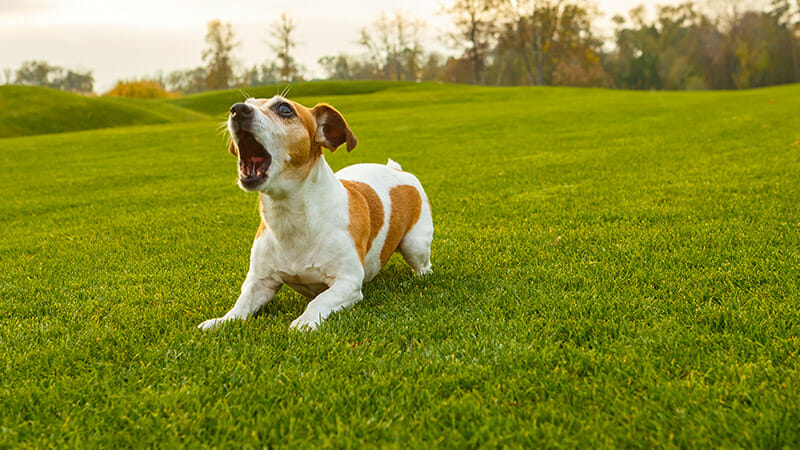
Credit: luckydogbarkandbrew.com
Reasons Dogs Bark At Strangers
Dogs bark at strangers for several reasons. Understanding these causes helps control unwanted barking. Each dog is different. Knowing why your dog barks is the first step to stopping it.
Protective Instincts
Dogs naturally protect their home and family. Strangers may seem like a threat. Barking warns others to stay away. This behavior comes from their wild ancestors. It keeps their territory safe. Some breeds are more protective than others.
Fear And Anxiety
Strangers can scare some dogs. Fear makes them bark loudly. They feel unsafe or unsure. Barking is their way to express worry. Anxiety can grow if not treated. Calm training helps reduce this fear.
Attention-seeking Behavior
Dogs want attention from their owners. Barking at strangers may get a reaction. They learn that barking brings focus. This habit can become a problem. Reward quiet behavior instead of barking.
Recognizing Barking Triggers
Recognizing what makes your dog bark at strangers is the first step to stop it. Dogs do not bark without a reason. They react to things they see, hear, or feel. Understanding these triggers helps you manage your dog’s behavior better.
Each dog has unique reasons for barking. Some bark out of fear, others out of protectiveness. Watching closely can reveal what causes your dog to bark.
Common Situations
Strangers walking near your house often trigger barking. Your dog may bark at delivery people or visitors. Noises outside, like doorbells or footsteps, also cause barking. Cars driving by can make some dogs alert and loud.
Being in new places can increase barking too. Your dog might feel uneasy in parks or busy streets. Recognize these situations to prepare and calm your dog early.
Body Language Cues
Watch your dog’s body when strangers appear. A stiff body or raised hackles shows alertness. Tail position matters: a high tail can mean excitement or threat. Ears pointed forward show attention. Flattened ears may mean fear.
Eyes wide open or staring can signal stress. Yawning or lip licking may mean your dog feels uneasy. Learn these signs to act before barking starts.
Training Techniques To Reduce Barking
Training your dog to stop barking at strangers takes patience and the right methods. Using clear, gentle techniques helps your dog feel calm and safe. Training also builds trust between you and your pet. Focus on teaching your dog good habits step by step.
Positive Reinforcement
Reward your dog for quiet behavior near strangers. Use treats, praise, or toys as rewards. Give the reward right after your dog stops barking. This helps your dog connect being quiet with good things. Keep training sessions short and fun to keep your dog interested.
Desensitization And Counter-conditioning
Expose your dog to strangers from a distance. Let your dog see people without feeling scared. Slowly bring strangers closer over time. Pair the presence of strangers with treats or play. This changes your dog’s feelings about strangers from fear to calmness.
Teaching The Quiet Command
Wait for your dog to stop barking naturally. Say “quiet” in a calm, firm voice. Give a treat when your dog is silent. Practice this many times every day. Your dog learns to understand and obey the “quiet” command quickly.

Credit: www.wikihow.com
Environmental Adjustments
Adjusting your dog’s environment can help reduce barking at strangers. Dogs react to what they see and hear. Changing their surroundings can calm them down and stop unnecessary barking.
Limiting Visual Stimuli
Dogs often bark at strangers because they see them outside. Blocking your dog’s view can reduce this urge. Use curtains, blinds, or frosted window film on windows. Close doors to rooms where your dog waits. This limits the number of strangers your dog can see. Less visual trigger means less barking.
Creating A Calm Space
Dogs need a quiet place to relax. Create a calm space away from busy doors or windows. Add a soft bed and favorite toys to this area. Keep the space free from loud noises and distractions. This helps your dog feel safe and less likely to bark. A calm environment supports better behavior.
Exercise And Mental Stimulation
Exercise and mental stimulation play a big role in stopping your dog from barking at strangers. Dogs with lots of energy often bark out of boredom or anxiety. Giving your dog enough activity helps reduce this behavior. It keeps their mind busy and body tired.
Regular exercise also helps your dog stay calm and relaxed. A tired dog is less likely to feel nervous or threatened by new people. Mental games keep your dog’s brain active. This lowers stress and builds confidence around strangers.
Physical Activity Benefits
Daily walks help burn off excess energy. Running and playing fetch also work well. These activities tire your dog physically and mentally. A tired dog barks less at new people. Exercise improves mood and reduces anxiety. It helps your dog focus on you instead of strangers. A calm dog feels safe and less reactive.
Interactive Toys And Games
Interactive toys challenge your dog’s mind. Puzzle feeders and treat-dispensing toys keep them busy. These toys reduce boredom, a common cause of barking. Playing hide-and-seek or training new tricks also helps. Games that require thinking boost your dog’s confidence. A confident dog barks less at strangers. Mental stimulation builds a strong bond between you and your dog.
When To Seek Professional Help
Knowing when to seek professional help is important for your dog’s well-being. Some barking problems need expert advice. Early help can stop the behavior from getting worse. Professionals offer support and tools for better results.
Behavioral Specialists
Behavioral specialists study dog actions and moods. They find the cause of barking at strangers. They create a plan to change your dog’s behavior. Training sessions with them can calm your dog. Specialists teach you ways to handle the barking. They use gentle and proven methods.
Veterinary Advice
Sometimes barking links to health problems. A vet checks your dog’s physical condition. Pain or illness can make dogs bark more. Vets can suggest treatment or medicine. They also advise on stress or anxiety issues. Getting a vet’s opinion keeps your dog healthy and happy.
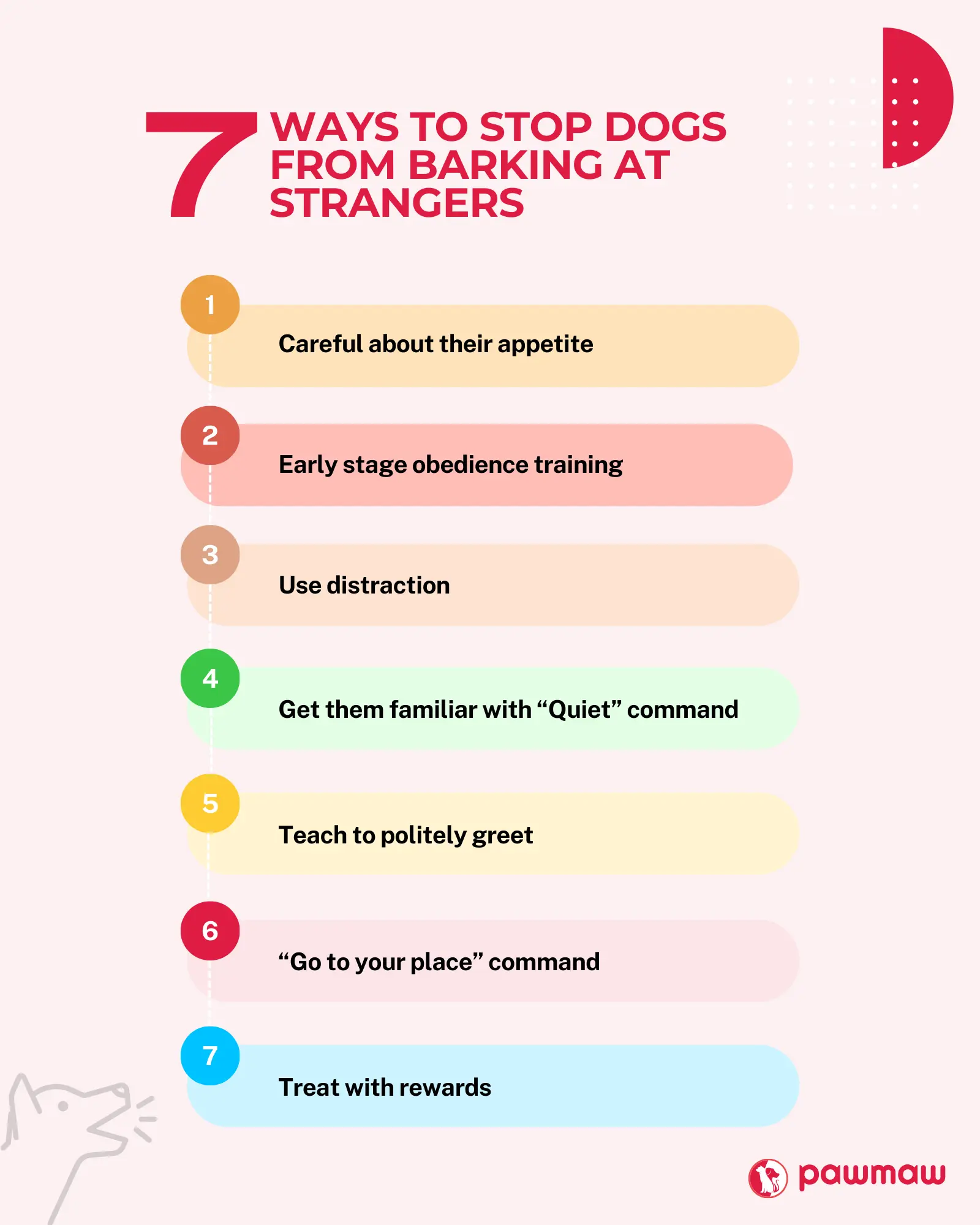
Credit: entre-couette-et-bulles.com
Frequently Asked Questions
Why Does My Dog Bark At Strangers Suddenly?
Dogs bark at strangers to protect their space or because they feel scared or unsure.
How Can I Train My Dog To Stop Barking At Strangers?
Use calm commands, reward quiet behavior, and practice regular socialization with new people.
What Is The Best Way To Calm A Barking Dog?
Speak softly, avoid yelling, and gently distract your dog with a toy or treat.
Can Socializing Reduce My Dog’s Barking At Strangers?
Yes, meeting new people often helps dogs feel safer and bark less.
Should I Punish My Dog For Barking At Strangers?
No, punishment can increase fear and barking. Positive rewards work better.
How Long Does It Take To Stop Barking At Strangers?
Training time varies, but consistent practice usually shows results in a few weeks.
Conclusion
Stopping your dog from barking at strangers takes time and patience. Consistent training helps your dog stay calm and friendly. Reward good behavior to encourage quiet moments. Avoid yelling, as it can make barking worse. Remember, each dog learns at its own pace.
Stay positive and keep practicing every day. You will see progress with patience and care. A calm dog means happier walks and safer homes. Keep your focus, and enjoy a peaceful pet.
As an Amazon Associate, I earn from qualifying purchases.