Is your dog constantly barking at strangers and making every walk a challenge? You’re not alone, and the good news is, you can change this behavior.
Imagine enjoying peaceful strolls and having guests over without your dog going into full alert mode. You’ll discover simple, effective ways to help your dog stay calm and stop barking at strangers. Keep reading, because these tips can transform your daily life and strengthen the bond with your furry friend.
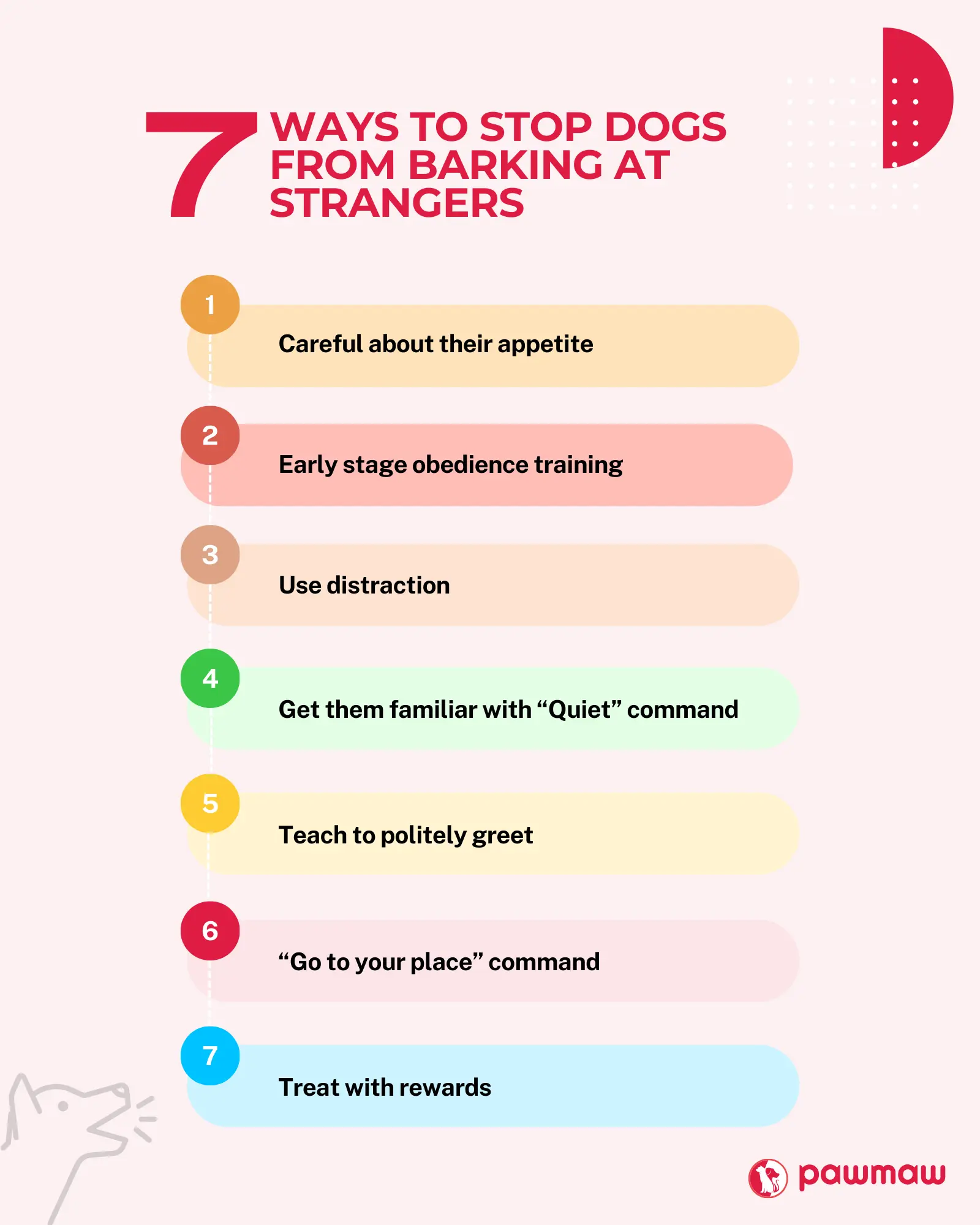
Credit: www.pawmaw.com
Reasons Dogs Bark At Strangers
Dogs bark at strangers for many reasons. Understanding these reasons helps you control barking. Each dog is different. Some bark to protect, others out of fear or habit.
Protective Instincts
Dogs see strangers as a possible threat. Barking warns the stranger to stay away. This behavior comes from their natural guarding instincts. It helps keep their home and family safe.
Fear And Anxiety
Strangers can scare some dogs. Barking is their way to express fear. Anxious dogs feel uneasy with unknown people nearby. This reaction helps them feel more in control.
Lack Of Socialization
Dogs not used to meeting new people bark more. They do not know how to behave around strangers. Proper socialization teaches dogs to be calm and friendly. Without it, barking becomes a common response.
Attention-seeking Behavior
Some dogs bark to get attention from their owners. They learn barking makes you react. This habit grows if owners respond quickly. Dogs want to engage and feel noticed.
Recognizing Barking Triggers
Recognizing what triggers your dog to bark at strangers is key to stopping this behavior. Understanding these triggers helps you respond the right way. It also reduces stress for your dog and everyone around. Pay close attention to when and why your dog barks. This insight guides your training efforts and builds trust.
Identifying Specific Situations
Watch closely for places or events that cause barking. It might be the mail carrier’s arrival or visitors at the door. Notice if your dog barks more during certain activities or noises. Pinpointing these situations helps you prepare and manage your dog better.
Noticing Body Language
Dogs show feelings through their body. Look for signs like raised hackles, stiff posture, or growling before barking. These clues tell you your dog feels uneasy or threatened. Reading these signals lets you act before barking starts. It also helps you understand your dog’s emotions.
Tracking Time And Frequency
Keep track of when barking happens and how often. Is it mostly in the morning or evening? Does it occur multiple times a day? Writing this down shows patterns and peak moments. This data helps you plan training and avoid triggers more effectively.
Training Techniques To Reduce Barking
Training your dog to stop barking at strangers takes patience and clear methods. Using the right training techniques helps calm your dog. It also builds better behavior over time. These methods focus on teaching your dog how to react calmly.
Positive Reinforcement
Positive reinforcement means rewarding your dog for good behavior. Give treats or praise when your dog stays quiet around strangers. This encourages your dog to repeat calm actions. Avoid punishment, as it may increase anxiety and barking.
Teaching The Quiet Command
Start by letting your dog bark a few times. Then say “Quiet” in a calm voice. Wait for your dog to stop barking. Give a treat right away. Practice this often. Your dog will learn to stop barking on command.
Desensitization And Counter-conditioning
Expose your dog slowly to strangers from a distance. Reward calm behavior during these meetings. Gradually decrease the distance as your dog stays quiet. This helps your dog feel less nervous and bark less. Change your dog’s feelings about strangers from fear to calm.
Environmental Adjustments
Environmental adjustments help reduce your dog’s barking at strangers. Changing their surroundings lowers triggers and stress. Small changes can calm your dog and improve behavior.
Limiting Visual Stimuli
Dogs often bark when they see strangers. Blocking their view reduces this urge. Close curtains or use frosted window film. Keep your dog away from windows or doors. Visual barriers help calm dogs by limiting what they see.
Creating A Safe Space
Give your dog a quiet place to relax. Use a crate or a special room. Add their favorite bed and toys to this area. This safe space helps them feel secure. Dogs bark less when they feel safe and calm.
Using Barriers And Fencing
Fences keep strangers out of your dog’s sight. Use solid or tall fences to block views. Gates or baby gates can limit access inside. Barriers reduce chances for your dog to bark. They create a calm environment by controlling what your dog can see and reach.
Exercise And Mental Stimulation
Exercise and mental stimulation play a big role in stopping your dog from barking at strangers. Dogs that get enough physical activity and mental challenges feel calmer. They also have less energy to bark out of fear or excitement. Providing daily exercise and interactive play helps your dog stay balanced and less reactive.
Daily Physical Activity
Walk your dog every day. Running and playing outside burn extra energy. A tired dog barks less. Try to vary the routes and places. New smells and sights keep your dog interested. This reduces anxiety and boredom, two main causes of barking.
Interactive Toys And Games
Use toys that make your dog think. Puzzle toys hide treats your dog must find. Chew toys keep your dog busy and calm. Playing fetch or tug-of-war also helps. These activities give your dog a job. A busy dog barks less at strangers.
Training Sessions
Teach your dog basic commands like “sit” and “quiet.” Use short, frequent training sessions. Reward your dog with treats and praise. Training builds focus and control. A well-trained dog listens better around strangers. Practice calm behavior to reduce barking.
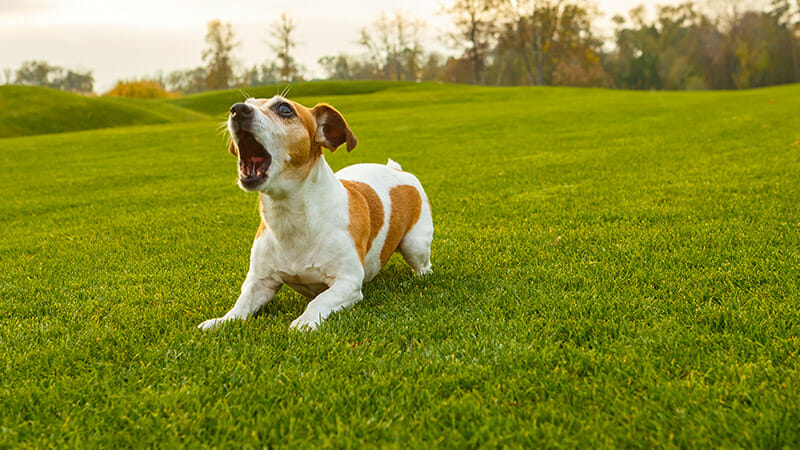
Credit: luckydogbarkandbrew.com
When To Seek Professional Help
Knowing when to seek professional help is important for managing your dog’s barking. Sometimes, barking at strangers is more than just a habit. It can be a sign of deeper issues that need expert care. Early help can prevent problems from getting worse and improve your dog’s behavior effectively.
Signs Of Severe Anxiety
Watch for signs like constant barking, trembling, or hiding. Your dog may refuse to eat or show aggression. These signs suggest severe anxiety. Such anxiety often worsens without help. It affects your dog’s health and happiness.
Working With Trainers And Behaviorists
Professional trainers understand dog behavior well. They use special methods to reduce barking. Behaviorists analyze why your dog reacts to strangers. They create a plan to change your dog’s response. Training with experts ensures safer and calmer walks.
Considering Veterinary Advice
Sometimes barking links to health problems. A vet can check for pain or illness. Medical issues can cause irritability and fear. The vet may suggest treatments or medication. This step supports your dog’s overall well-being.
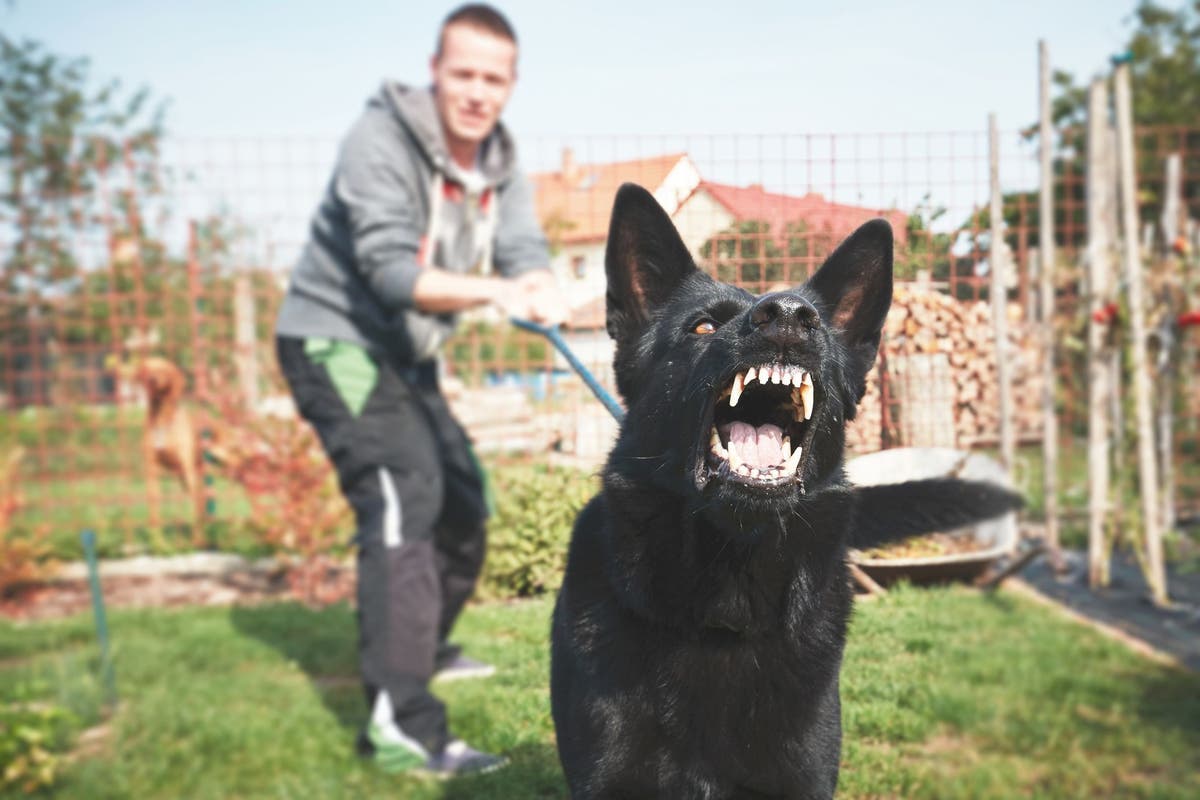
Credit: www.petplace.com
Frequently Asked Questions
Why Does My Dog Bark At Strangers?
Dogs bark at strangers to alert their owners and protect their territory.
How Can I Train My Dog To Stop Barking?
Use calm commands, reward quiet behavior, and practice regular socialization.
What Role Does Socialization Play In Reducing Barking?
Socialization helps dogs feel comfortable around new people and reduces fear-based barking.
Can Exercise Help Reduce My Dog’s Barking?
Yes, regular exercise lowers energy and anxiety, which can decrease barking.
Should I Use A Bark Collar To Stop Barking?
Bark collars may help but use them carefully and consider positive training first.
How Long Does It Take To Stop Barking At Strangers?
With consistent training, barking can reduce in a few weeks to months.
Conclusion
Stopping your dog from barking at strangers takes time and patience. Consistent training helps your dog stay calm and quiet. Reward good behavior to encourage silence around new people. Avoid yelling, as it may make barking worse. Remember, your dog learns best with gentle guidance.
Keep practicing daily for steady progress. Soon, your dog will greet strangers more peacefully. A calm dog means a happier home for everyone. Stay patient and kind—your efforts will pay off.
As an Amazon Associate, I earn from qualifying purchases.