If you want your dog to stand out and look their absolute best, knowing how to stud them out is key. Whether you’re preparing for a dog show, a photo session, or just want your furry friend to turn heads on your daily walk, this guide is for you.
You’ll learn simple, effective ways to highlight your dog’s natural charm and personality. Keep reading, and soon your dog will be the star of every room you enter together.
Choosing The Right Stud Dog
Choosing the right stud dog is a key step to ensure healthy and strong puppies. The stud dog should match well with the female dog. This helps produce puppies with good traits and fewer health problems.
Careful thought must go into the selection process. The stud dog’s breed, health, and behavior all matter. These factors affect the puppies’ future quality and temperament.
Breed Compatibility
The stud dog and the female dog must belong to compatible breeds. This means their size, shape, and characteristics should match. Mismatched breeds can cause health issues for the mother or puppies. It also helps keep breed standards intact. Choose a stud dog whose breed complements the female’s breed well.
Health Screening
Health checks are vital before breeding. The stud dog must be free from hereditary diseases. Common tests include hip and elbow dysplasia screening. Eye exams and heart checks are also important. A healthy stud dog reduces the risk of passing illnesses to puppies. Always ask for health certificates from the owner or breeder.
Temperament Check
The stud dog’s behavior influences the puppies’ nature. Choose a dog that is calm, friendly, and well-mannered. Aggressive or fearful dogs can pass these traits to their puppies. Observe the stud dog’s interaction with people and other dogs. A good temperament helps raise well-balanced puppies.
Credit: www.thekennelclub.org.uk
Preparing Your Dog For Breeding
Preparing your dog for breeding is an important step to ensure health and success. It involves care in diet, health checks, and behavior. Proper preparation helps your dog stay strong and ready for stud duties.
Nutrition And Exercise
Good nutrition is key for your dog’s breeding health. Feed a balanced diet with high-quality proteins and vitamins. Avoid junk food and sudden diet changes. Regular exercise keeps muscles strong and energy high. Walk your dog daily and include playtime for mental health. Healthy weight supports better breeding outcomes.
Vaccinations And Vet Visits
Vaccinations protect your dog from diseases. Make sure all shots are up to date before breeding. Schedule a full health check with your vet. The vet can test for genetic and infectious diseases. Regular visits keep your dog in prime condition. Early detection of health issues is crucial.
Behavioral Conditioning
Calm and confident dogs breed better. Train your dog to be comfortable around other dogs. Practice obedience commands to control behavior. Socialize your dog to reduce stress and fear. Positive reinforcement helps build trust. Well-behaved dogs make the breeding process smoother.
Timing The Breeding Process
Timing the breeding process is key to successful dog studding. Choosing the right time helps ensure healthy puppies and a smooth experience. Understanding your dog’s natural cycle and recognizing fertility signs makes this easier. Careful observation of your dog’s behavior helps you find the best breeding days.
Recognizing Heat Cycles
A female dog’s heat cycle happens every six months on average. It lasts about three weeks. The cycle has different stages: proestrus, estrus, diestrus, and anestrus. The estrus stage is when she can get pregnant. Watch for swelling of the vulva and bleeding. These signs show the start of the heat cycle.
Optimal Breeding Window
The best time to breed is usually between days 9 and 14 of heat. This is the estrus phase when the female is fertile. Breeding outside this window lowers the chances of pregnancy. Track the cycle daily to catch this period. Plan for two or three mating sessions within this window to increase success.
Signs Of Fertility
Look for behavioral changes like increased affection or restlessness. The female may raise her tail or stand still when touched. Vaginal discharge changes from bloody to clear or pinkish. These signs show she is ready to mate. Recognizing these helps in timing studding correctly for better results.
Credit: ckcusa.com
Safe Mating Practices
Safe mating practices protect your dog and the future puppies. Mating can be stressful and risky if not done carefully. Taking the right steps helps avoid injuries and health problems. It also ensures a smooth experience for both dogs.
Supervised Introductions
Always watch your dogs during their first meeting. Introduce them in a calm, quiet place. Let them sniff and get used to each other slowly. Do not rush the process. Stop any signs of aggression immediately. This helps both dogs feel safe and relaxed.
Minimizing Stress
Stress can harm dogs during mating. Keep the environment calm and quiet. Avoid loud noises or sudden movements. Give both dogs breaks if they seem tired or nervous. Provide water and a comfortable spot to rest. A calm dog is more likely to mate safely and successfully.
Handling Complications
Sometimes, mating can cause problems. Know the signs of distress or injury. If the dogs get stuck or fight, stay calm and separate them gently. Contact a vet if you see bleeding, swelling, or unusual behavior. Quick action can prevent serious harm to your dogs.
Post-breeding Care
Post-breeding care is very important to keep your dog healthy and happy. After breeding, your dog needs extra attention to recover well. Proper care helps avoid health problems. It also supports the chances of a successful pregnancy.
Monitoring Health
Watch your dog closely after breeding. Check her energy levels and appetite every day. Note any changes in behavior or mood. Look for signs like vomiting or unusual discharge. These might show health issues. Keep a daily record to share with your vet.
Preventing Infections
Keep the breeding area clean and dry. Avoid letting your dog lick or scratch the breeding site. Use vet-approved products to clean any wounds. Stop your dog from swimming or playing in dirty water. Preventing infections helps your dog heal faster and stay safe.
Follow-up Vet Checks
Schedule vet visits after breeding. The vet can check for pregnancy and overall health. They might suggest blood tests or ultrasounds. Follow their advice carefully for best results. Regular check-ups catch problems early and improve care.

Credit: studdogsaustralia.com
Legal And Ethical Considerations
Breeding your dog involves more than just pairing animals. Legal and ethical rules protect dogs and buyers. Knowing these rules helps you avoid trouble and keeps your dogs safe and healthy.
Breeding Regulations
Each region has laws about dog breeding. Some places require licenses to breed dogs. Others set limits on how many litters you can have. Follow local laws to stay legal. Check rules about health checks and vaccinations too. These laws protect dogs and buyers from harm.
Responsible Breeding Ethics
Good breeders care about dogs’ health and happiness. Avoid breeding dogs with health problems. Select dogs with strong genes and good temperaments. Provide clean, safe homes for all dogs. Socialize puppies well to prepare them for new homes. Treat dogs with respect throughout their lives.
Contract Agreements
Contracts protect both breeders and buyers. Write clear agreements about puppy care and returns. Include health guarantees and spaying/neutering terms. Set expectations for buyer responsibility too. Contracts build trust and reduce misunderstandings. Keep copies of all signed papers for records.
Promoting Genetic Diversity
Promoting genetic diversity is vital when studding out your dog. It helps keep the breed healthy and strong. Diverse genes reduce risks of health problems and improve the dog’s lifespan. A good breeding plan focuses on variety in bloodlines. This section explains simple ways to promote genetic diversity.
Avoiding Inbreeding
Inbreeding means mating close relatives. It raises the chance of genetic diseases. Avoid pairing dogs that share parents or grandparents. Instead, choose mates with different family backgrounds. This keeps the gene pool wide and healthy.
Tracking Lineages
Track your dog’s family tree carefully. Study pedigrees to know each dog’s ancestors. This helps spot related dogs before breeding. Use breed registries or online databases. Keeping records stops accidental inbreeding and supports diversity.
Using Genetic Testing
Genetic testing reveals hidden health risks and traits. Test your dog and potential mates for gene mutations. Testing helps pick partners that complement each other’s genes. This lowers the chance of passing on diseases. Use test results to make smart breeding choices.
Marketing Your Stud Services
Marketing your dog’s stud services takes effort and care. You need to show why your dog is a great choice. Clear and honest information helps breeders trust you. Good marketing brings more clients and builds a strong reputation.
Creating A Stud Profile
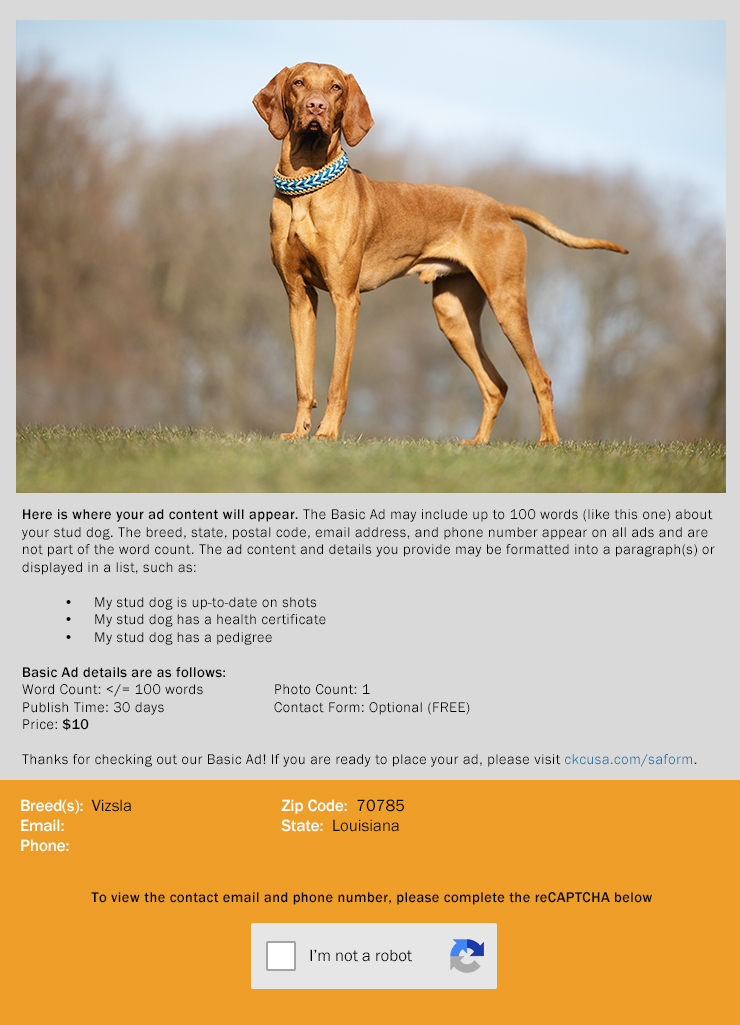
Start by making a detailed stud profile. Include your dog’s age, breed, and health records. Add photos showing your dog’s build and coat. Write about your dog’s temperament and achievements. Make the profile easy to read and honest.
Networking With Breeders
Connect with local and online breeders. Join dog clubs and attend dog shows. Talk to breeders and share your stud profile. Build good relationships based on trust and respect. Offer helpful advice about breeding to stay connected.
Setting Fair Pricing
Research prices for stud services in your area. Set a price that reflects your dog’s quality and experience. Be open to negotiate but keep it reasonable. Clear pricing helps breeders decide quickly. Avoid too high or too low prices.
Frequently Asked Questions
What Does It Mean To Stud Out Your Dog?
Studding out means preparing your male dog to mate and breed with a female dog.
How Do I Know If My Dog Is Ready To Stud?
Look for signs like strong health, mature age, and good behavior for breeding.
What Health Checks Are Needed Before Studding A Dog?
A vet should check for genetic diseases, vaccinations, and overall health.
How Can I Find Suitable Female Dogs For My Stud?
Join local dog clubs or use trusted breeders to find healthy female mates.
What Are Common Costs Involved In Studding A Dog?
Costs include health tests, vet visits, and sometimes fees for breeding services.
How Do I Keep My Dog Calm During The Stud Process?
Use gentle handling, quiet space, and positive reinforcement to keep your dog relaxed.
Conclusion
Studding out your dog takes patience and care. Follow simple steps to keep your pet safe and comfortable. Watch your dog closely for any signs of discomfort. Clean the area gently and keep it dry. Always ask a vet if you feel unsure.
This helps your dog heal faster and stay healthy. Small efforts make a big difference for your furry friend. Keep learning and caring every day. Your dog will thank you with love and trust.
As an Amazon Associate, I earn from qualifying purchases.