If you’re thinking about how to stud your dog, you probably want to make sure everything goes smoothly and safely. Studding your dog isn’t just about pairing two dogs together—it’s about understanding their health, behavior, and the right timing.
Getting this right can help you avoid stress, health issues, and unwanted surprises. In this guide, you’ll discover simple, clear steps to stud your dog confidently. Keep reading to learn what you need to know before taking this important step for your furry friend.
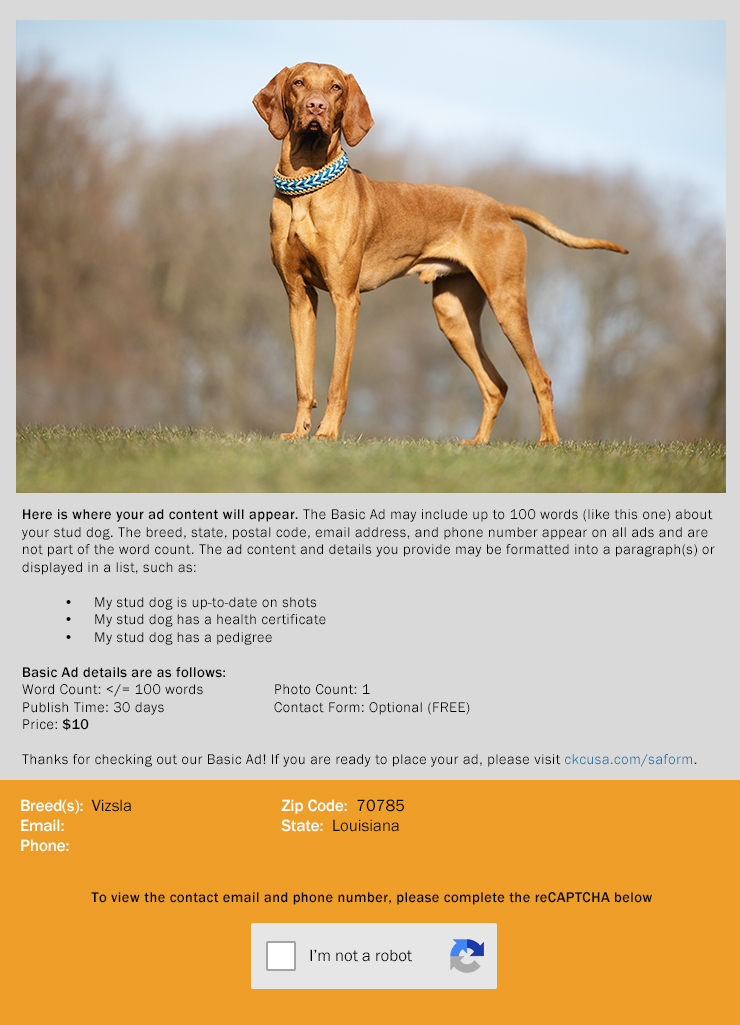
Credit: ckcusa.com
Choosing The Right Stud
Choosing the right stud is an important step when planning to breed your dog. The stud you select will pass on traits to the puppies. These traits include health, temperament, and physical features. Careful choice helps improve your dog’s bloodline and gives the pups a better start in life. You need to consider several factors before making a decision. These include the stud’s health, genetics, and how well he matches breed standards.
Assessing Health And Temperament
Start by checking the stud’s health records. Look for vaccinations, screenings, and any history of illness. A healthy stud lowers the risk of passing diseases to puppies. Temperament is just as important. The stud should be calm, friendly, and well-behaved. Aggressive or overly shy dogs may pass these traits to their offspring. Choose a stud with a stable, good-natured personality.
Evaluating Pedigree And Genetics
Review the stud’s pedigree to understand his ancestry. A clear, documented pedigree shows the dog’s genetic background. This helps avoid inbreeding and genetic disorders. Check for any inherited health problems in the lineage. Good genetics increase the chances of strong, healthy puppies. A stud with a strong pedigree adds value to your breeding program.
Considering Breed Standards
Each breed has specific standards set by kennel clubs. These standards describe the ideal size, coat, color, and shape. The stud should closely match these breed standards. This ensures puppies meet the expected physical and behavioral traits. Breeding a stud outside these standards can lead to undesirable traits. Following breed standards maintains the quality and reputation of your dogs.
Preparing Your Dog For Stud
Preparing your dog for stud is a vital step for success. It ensures the dog is healthy, fit, and well-behaved. Proper preparation improves the chances of a smooth breeding process.
This process involves health checks, good nutrition, and proper training. Each step helps your dog perform his best during stud services.
Health Checkups And Vaccinations
Start with a thorough health checkup by a vet. This confirms your dog is free from diseases. Vaccinations should be up to date to protect your dog and the female dog. Screening for genetic issues is important to avoid passing problems to puppies. Regular parasite control keeps your dog healthy and ready.
Nutrition And Fitness
Provide a balanced diet to maintain good health. High-quality food supports energy and muscle strength. Keep your dog at an ideal weight to prevent stress on his body. Regular exercise builds stamina and keeps him fit. Avoid overfeeding or sudden diet changes before breeding.
Training And Socialization
Basic obedience training is crucial for stud dogs. Commands like sit, stay, and come help control him during breeding. Socialize your dog with other dogs and people. This reduces anxiety and promotes calm behavior. A well-trained dog is more confident and easier to handle.
Finding Suitable Mates
Finding the right mate for your stud dog is key to a good breeding experience. It affects the puppies’ health, behavior, and future. Thoughtful selection helps create strong, happy dogs. This section explains how to find suitable mates.
Matching Temperament And Traits
Choose a mate with a calm and friendly nature. Similar temperaments reduce stress for both dogs. Look for traits that complement your stud dog’s strengths. Physical traits like size, coat, and color matter too. Balanced pairings improve the puppies’ chances of good health and behavior.
Screening For Health Issues
Health checks protect the puppies and parents. Ask for health clearances from the mate’s owner. Common tests include hip and eye exams. Avoid dogs with known genetic problems. Healthy parents increase the likelihood of healthy pups.
Legal And Ethical Considerations
Follow breeding laws in your area strictly. Register the mating with recognized kennel clubs if needed. Respect animal welfare rules to avoid harm. Ethical breeding means caring for the dogs’ well-being. Responsible actions build trust with buyers and other breeders.
The Breeding Process
The breeding process is a careful and important step in studding your dog. It involves planning and watching closely to ensure success. Knowing what to expect helps reduce stress for both dogs and owners.
Understanding the process also improves the chances of healthy puppies. Each part of breeding needs attention, from timing to aftercare.
Timing The Mating
Choose the right time for mating. Female dogs are most fertile during their heat cycle’s middle days. This usually happens around day 10 to 14.
Check for signs like swelling and discharge. A vet can help confirm the best time to mate. Breeding too early or late lowers the chance of pregnancy.
Supervising The Encounter
Watch the dogs closely during mating. Make sure both dogs are calm and comfortable. Do not force the dogs to mate.
Keep the environment quiet and safe. Allow the dogs to interact naturally. Stay nearby but avoid interrupting them.
Post-mating Care
After mating, give your dog rest and quiet time. Avoid heavy exercise or stress. Provide fresh water and good food.
Monitor your dog for any changes or health issues. A vet visit can confirm pregnancy and check health. Early care improves the chance of healthy puppies.
Managing Stud Fees And Agreements
Managing stud fees and agreements is an important part of dog breeding. Clear terms protect both the dog owner and the breeder. It helps avoid confusion and keeps the process smooth. Setting fair prices, writing contracts, and handling payments must be done carefully. This section explains how to manage these steps well.
Setting Fair Pricing
Price should reflect your dog’s quality and pedigree. Research local market rates for similar breeds. Consider your dog’s health, achievements, and demand. Avoid setting prices too high or too low. Fair pricing attracts serious breeders and builds trust. Be open to discussing your fees with interested parties.
Drafting Breeding Contracts
A written contract protects both sides. Include terms about stud fees, payment methods, and services. Specify the number of breedings and timelines. Mention responsibilities for health checks and vaccinations. Clarify what happens if the breeding fails or the puppy has health issues. Both parties must sign and keep a copy.
Handling Payment And Services
Decide on payment methods before starting. Common options include cash, bank transfer, or checks. Some breeders accept a puppy as part of the fee. Agree on when payments are due—before or after breeding. Keep records of all transactions. Clear communication helps avoid disputes and builds good relationships.

Credit: studdogsaustralia.com
Caring For Your Stud Dog After Breeding
Caring for your stud dog after breeding is very important. This period helps your dog stay healthy and happy. Proper care supports his recovery and long-term health. A well-cared stud dog can continue to breed successfully and enjoy life.
Monitoring Health And Behavior
Watch your dog closely after breeding. Check for changes in appetite or energy. Look for signs of discomfort or unusual behavior. Early detection of problems helps prevent bigger issues. Visit the vet if you notice anything unusual.
Rest And Recovery
Give your dog plenty of rest after breeding. Avoid intense play or exercise for several days. Create a quiet, comfortable space for him to relax. Rest helps his body heal and regain strength. Proper recovery supports future breeding success.
Long-term Wellbeing
Maintain a balanced diet to keep your dog strong. Schedule regular vet check-ups to monitor his health. Keep his vaccinations and parasite control up to date. Mental stimulation and gentle exercise improve his mood. Long-term care ensures a happy and healthy stud dog.
Ethical Breeding Practices
Ethical breeding practices protect the health and well-being of dogs. They ensure puppies have good genes and a safe start in life. Breeding with care helps avoid health problems and supports strong, happy dogs.
Following ethical steps shows respect for the dog and future puppies. It also builds trust with other dog owners and breeders. Below are key points to keep ethical breeding at the heart of your plan.
Avoiding Overbreeding
Overbreeding harms the dog’s health and lowers quality. Limit the number of times a dog breeds. Allow enough time for recovery between litters. This helps keep your dog strong and healthy.
Too many puppies at once can cause stress and illness. Monitor your dog’s health closely throughout the breeding process. Stop breeding if health issues appear.
Promoting Genetic Diversity
Using diverse genetics reduces the risk of inherited diseases. Avoid breeding dogs that are closely related. Choose mates with different family backgrounds.
Genetic diversity leads to stronger puppies. It helps create healthier dogs with better traits. Test your dogs for common genetic problems before breeding.
Supporting Responsible Ownership
Find good homes for puppies. Make sure new owners understand their care needs. Teach them about training, health, and nutrition.
Stay available to help owners with advice. Encourage responsible care to keep puppies happy and safe. Ethical breeders support dogs throughout their lives.

Credit: pottybuddy.co
Frequently Asked Questions
What Does It Mean To Stud Your Dog?
Studding your dog means allowing him to mate with a female dog to produce puppies.
How Do I Prepare My Dog For Stud Service?
Ensure your dog is healthy, vaccinated, and has a calm, friendly behavior before studding.
What Age Is Best To Stud A Male Dog?
Most male dogs are ready to stud from 1 to 2 years old when fully mature.
How Do I Find A Suitable Female For My Dog?
Look for a healthy female with good traits and consult a vet or breeder for advice.
What Are The Costs Involved In Studding My Dog?
Costs include health checks, vaccinations, stud fees, and sometimes travel expenses for mating.
How Can I Ensure A Successful Mating Process?
Choose the right time, keep dogs calm, and supervise the mating to ensure safety and success.
Conclusion
Studding your dog takes care and patience. Know your dog’s health and breed traits well. Keep the process safe and comfortable for your pet. Always seek advice from a trusted vet. This ensures the best chance for healthy puppies. Stay calm, follow steps carefully, and be kind.
Your dog will thank you with happy, healthy puppies. Good care makes all the difference. Remember, your dog’s well-being is the top priority.
As an Amazon Associate, I earn from qualifying purchases.