If you own a cat and a gun, you might wonder how to keep both safe together. You love your furry friend and want to protect your home, but what if your cat gets curious about your firearms?
Talking to your cat about gun safety sounds impossible—but there are simple steps you can take to create a safe space for both. You’ll discover practical tips that help prevent accidents and keep your cat out of harm’s way. Keep reading to learn how to protect your loved ones, furry and human alike.

Credit: www.amazon.com
Cat Behavior And Safety
Understanding your cat’s behavior is key to keeping them safe. Cats act on strong natural instincts. These instincts guide their movements and reactions. Knowing these helps protect your cat from dangers around the house.
Safety means more than just avoiding big hazards. Small risks can also harm your cat. Learning about common hazards helps you create a safer home. This way, your cat can explore without risk.
Recognizing Cat Instincts
Cats have sharp senses and quick reflexes. They love to hunt and explore. These instincts make them curious about new objects. They might bat, climb, or hide in tight spaces. Sudden loud noises can scare or confuse them. Understanding these instincts helps predict how they react.
Common Hazards At Home
Many household items pose risks to cats. Small objects like batteries and rubber bands can be swallowed. Sharp tools and wires can cause injuries. Some plants are toxic if eaten. Guns and ammunition must be stored safely. Cats may paw or knock items down. Secure dangerous items to avoid accidents.
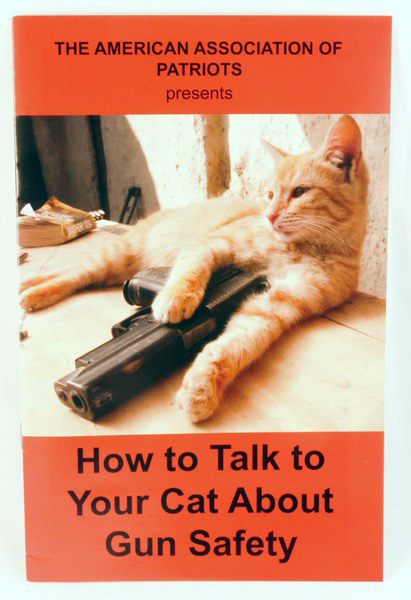
Credit: microcosmpublishing.com
Gun Safety Basics
Gun safety basics are simple but very important. Every gun owner must know these rules to keep everyone safe. This includes your pets, like your cat. Understanding and practicing gun safety helps prevent accidents at home.
Teaching these basics to your cat may sound funny, but it helps you remember the key points. Safety starts with how you store your firearms and where you keep them. Let’s break down the main ideas.
Safe Storage Practices
Always store guns in a locked place. Use a gun safe or a lock box. This stops your cat from getting near the gun. It also keeps children and visitors safe.
Keep ammunition separate from guns. Store bullets in a locked container far from firearms. This extra step prevents accidents and keeps your home safer.
Keeping Firearms Out Of Reach
Place all guns high or in locked cabinets. Cats can jump and climb, so make sure guns are far out of reach. Never leave guns unattended on tables or counters.
Check your storage often. Make sure locks work and guns are secure. This prevents any chance of a curious cat or a child finding a firearm.
Creating A Cat-friendly Environment
Creating a cat-friendly environment helps your cat feel safe and calm. Cats sense tension easily. A peaceful space reduces their stress. This is very important when you keep firearms at home. Your cat should never feel scared or unsafe around guns. Simple steps can make a big difference.
Safe Zones For Your Cat
Safe zones give your cat a quiet place to hide. Choose a small room or corner with soft bedding. Keep this area away from where firearms are stored. Make sure your cat can access this spot anytime. Add toys and scratching posts to keep your cat busy. This helps your cat relax and feel secure.
Minimizing Stress Around Firearms
Keep firearms locked in a secure case or cabinet. Make sure your cat cannot see or reach them. Avoid loud noises or sudden movements near guns. Speak softly and move slowly around your cat. Use calming scents like lavender or chamomile nearby. These steps lower your cat’s anxiety and keep them safe.
Training And Communication
Training your cat about gun safety may sound unusual, but communication plays a key role. Cats respond best to clear signals and calm energy. This section covers simple ways to train and communicate with your cat.
Building trust is essential. Your cat needs to feel safe and relaxed during any training session. Short sessions work better than long ones. Use quiet tones and gentle gestures to keep your cat at ease.
Using Positive Reinforcement
Positive reinforcement means rewarding good behavior. Treats, petting, or soft words encourage your cat to repeat safe actions. Ignore or redirect unwanted behavior without yelling or punishment.
For example, when your cat stays calm near a loud noise, offer a small treat. This helps your cat link calmness with positive rewards. Repeat this often to strengthen the habit.
Signs Your Cat Is Anxious
Recognizing anxiety helps you adjust your approach. Watch for pacing, hiding, or excessive grooming. Dilated pupils, flattened ears, and tail twitching also signal stress.
If your cat shows anxiety, pause training. Give time to relax before trying again. A calm cat learns better and stays safe.
Emergency Preparedness
Emergency preparedness is important for every pet owner. It means being ready for sudden events that could harm your cat. Knowing what to do can save your cat’s life and reduce stress.
Preparing for emergencies involves understanding basic first aid and planning for unexpected situations. It helps keep your cat safe and calm during tough times.
First Aid Tips For Pets
Learn simple first aid steps for your cat. Keep a pet first aid kit at home. Include bandages, antiseptic wipes, and tweezers.
Check your cat for injuries after any accident. Stop bleeding by applying gentle pressure. Avoid moving your cat too much if it is hurt.
Know how to perform basic CPR on cats. Call a vet immediately if your cat shows signs of distress or injury.
Planning For Unexpected Situations
Create an emergency plan for your household. Know where to keep your cat’s important documents and supplies. Have a safe place ready for your cat to stay.
Practice quick evacuation drills with your family. Keep a carrier and leash accessible at all times. Prepare a list of emergency contacts, including your vet.
Think about your cat’s needs during power outages or natural disasters. Stock enough food, water, and medications for several days.
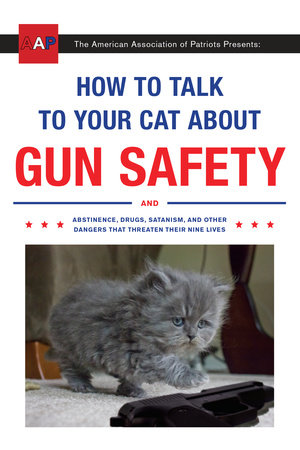
Credit: www.penguinrandomhouse.com
Frequently Asked Questions
How Can I Introduce Gun Safety To My Cat?
Start by keeping guns out of reach. Use calm tones to gently discourage curiosity.
Why Should Cats Be Aware Of Gun Safety?
Cats sense danger but don’t understand guns. Awareness helps keep them safe at home.
What Signs Show A Cat Is Scared Of Guns?
Watch for hiding, trembling, or loud meowing. These show stress or fear.
How To Keep Guns Away From Curious Cats?
Store firearms in locked cabinets. Use gun safes that pets cannot open.
Can Talking To Cats About Guns Reduce Accidents?
Talking calms your cat. It creates a safe environment and lowers stress levels.
What Is The Best Way To Teach Children Gun Safety With Cats?
Teach kids to respect both pets and guns. Show safe handling and pet care.
Conclusion
Talking to your cat about gun safety may sound strange. Yet, it helps you think about safety at home. Keep guns locked and away from pets. Teach your family to do the same. Stay calm and patient while making rules.
Small steps lead to a safer space for all. Your cat can stay curious without danger. Safety is a shared responsibility. Remember, a careful home means peace of mind.
As an Amazon Associate, I earn from qualifying purchases.