If your cat is suddenly limping or seems to be in pain, you might be wondering if they have a broken leg. Knowing how to spot the signs quickly can make all the difference in getting your furry friend the care they need.
You’ll learn the clear, easy ways to tell if your cat’s leg is broken. By paying attention to these signs, you can act fast and help your cat feel better sooner. Keep reading to protect your pet and give them the comfort they deserve.
Signs Of A Broken Leg In Cats
Recognizing the signs of a broken leg in cats is crucial for quick care. Cats may hide pain well, so watch closely. Early detection helps prevent more damage and eases their pain.
Visible Deformities And Swelling
Look for unusual shapes or bends in the leg. Swelling often appears near the injury. The skin might look tight or shiny. Broken bones can cause parts to stick out oddly.
Limping And Difficulty Walking
Cats with broken legs may limp or avoid using the leg. They might hop or hold the leg up. Walking can seem unsteady or painful. Notice if your cat stops jumping or climbing.
Pain Responses And Vocalization
Watch for signs of pain like crying or growling. Your cat may pull away when you touch the leg. Sudden movements might cause sharp noises. Pain can make cats restless or tense.
Changes In Behavior And Activity
A broken leg can make cats quiet or hide more. They may stop playing or eating well. Look for less movement or reluctance to move. These changes can signal serious discomfort.
Common Causes Of Broken Legs In Cats
Broken legs in cats happen due to various reasons. Knowing common causes helps spot problems early. Cats are curious and active animals. They face many risks around the home and outside.
Some injuries happen quickly. Others come from rough play or fights. Understanding these causes can protect your cat better.
Falls And Accidents
Cats often climb trees, fences, and high places. A fall from a height can break their leg. Slippery floors or unstable surfaces cause accidents. Even a small jump can lead to injury.
Animal Fights
Cats fight to protect territory or food. Scratches and bites can cause deep wounds. Sometimes, during fights, a cat may twist or break a leg. These injuries need quick care to heal well.
Car Injuries
Outdoor cats face danger from traffic. A car hit can cause severe bone damage. Legs are often broken in these accidents. Watch for signs of pain and limping after outdoor visits.
Other Traumas
Other traumas include being caught in doors or heavy objects falling. Rough play with bigger pets can also hurt cats. Any sudden impact may cause a broken leg. Early vet visits are important for recovery.
Immediate Steps To Take
Taking immediate action after a cat breaks its leg is very important. Quick steps can reduce pain and prevent further injury. Stay calm and act carefully. This helps your cat feel safer and less scared.
Keeping The Cat Calm And Still
Speak softly to your cat. Avoid loud noises or sudden movements. Hold your cat gently but firmly. Keep the cat in a quiet, safe place. Limit the cat’s movement to avoid more damage.
Handling The Injured Leg Safely
Do not touch the broken leg too much. Support the cat’s body when moving it. Use a towel or cloth to lift the cat. Avoid putting pressure on the injured area. Check for bleeding and stop it with gentle pressure if needed.
Transporting To The Veterinarian
Place your cat in a secure carrier or box. Use soft padding inside for comfort. Keep the injured leg in a natural position. Drive carefully to avoid bumps and sudden stops. Call the vet to inform them of the emergency.
Credit: www.tkves.com
Veterinary Diagnosis And Treatment
Veterinary diagnosis and treatment play a key role in healing a cat’s broken leg. A vet carefully checks the injury. Proper care helps the cat recover faster and without pain.
Physical Examination And X-rays
The vet first looks at the injured leg closely. They check for swelling, cuts, or unusual angles. X-rays show the exact location and type of break. This step helps the vet plan the right treatment.
Splinting And Casting
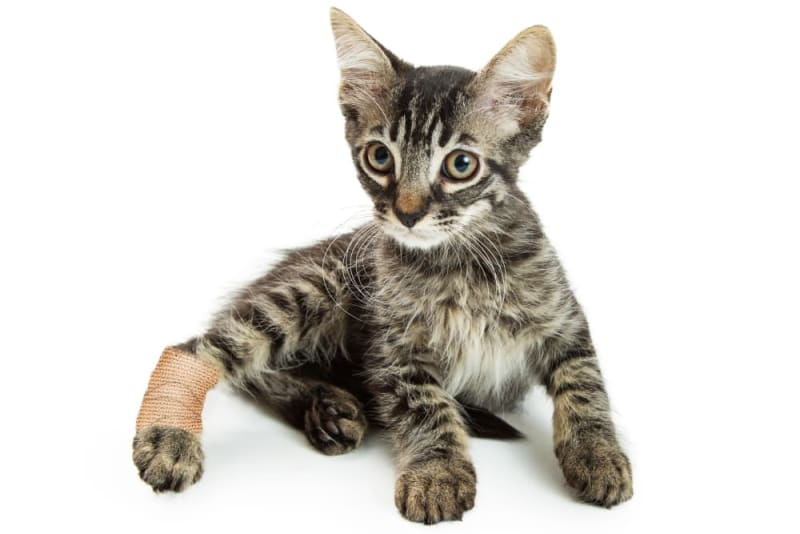
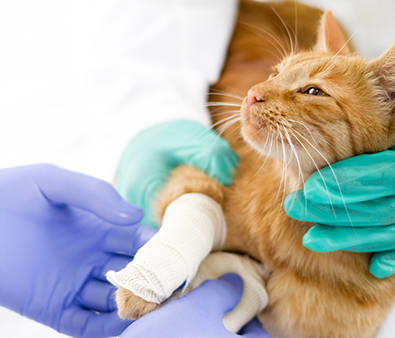
For simple breaks, the vet may use a splint or cast. These hold the bone in place while it heals. The cat needs to stay calm and avoid moving too much. The vet gives advice on how to keep the cat safe.
Surgical Options
Some breaks need surgery to heal correctly. The vet uses pins, plates, or screws to fix the bone. Surgery helps if the break is severe or the bone is out of place. The vet explains the surgery and aftercare clearly.
Pain Management
Pain control is very important for a broken leg. The vet gives medicines to reduce pain and swelling. A comfortable cat heals better and faster. Follow the vet’s advice on giving pain medicine.
Home Care And Recovery
Helping a cat recover from a broken leg at home needs care and patience. The right environment and attention speed up healing. Watch your cat closely and follow all vet advice. Small steps make a big difference in recovery. Safe rest and proper care are key.
Creating A Comfortable Space
Set up a quiet, cozy area for your cat. Use soft bedding to support the injured leg. Keep the space small to limit movement. Remove toys or objects that may cause jumping. A calm place helps reduce stress and pain.
Administering Medications
Give all prescribed medicines exactly as the vet says. Use a pill pocket or gentle hand to give pills. Follow the schedule for pain relief and antibiotics. Never stop medicine early, even if your cat seems better. Proper medication helps avoid infections and pain.
Monitoring Healing Progress
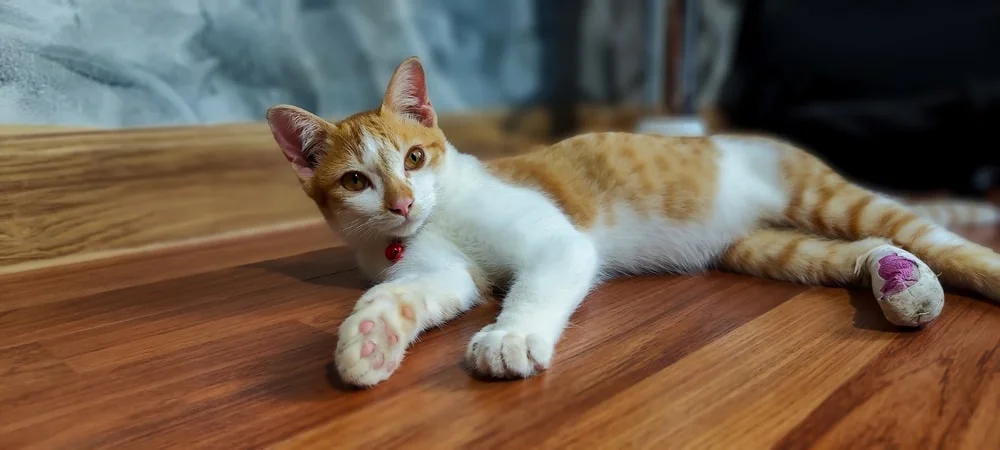
Check the injured leg daily for swelling or redness. Look for signs of pain like limping or licking the leg. Note any changes in appetite or behavior. Keep a simple journal to track healing. Early detection of problems can prevent bigger issues.
When To Follow Up With The Vet
Schedule vet visits as advised for X-rays and check-ups. Call the vet if swelling, bleeding, or foul smell appears. Seek help if your cat stops eating or becomes very weak. Quick action can save your cat from complications. Regular vet visits ensure proper recovery.
Credit: www.metlifepetinsurance.com
Preventing Future Injuries
Preventing future injuries is key to keeping your cat healthy and happy. Once you know how to spot a broken leg, focus on safety. Small changes in your cat’s environment help avoid accidents. Careful supervision and regular health checks reduce risks. These steps protect your cat from harm and give you peace of mind.
Safe Indoor Environment
Clear clutter and sharp objects from your cat’s play area. Provide soft bedding and secure climbing spots. Remove items that could fall or cause tripping. Use window screens to stop falls. A safe indoor space lowers chances of injury.
Supervised Outdoor Time
Let your cat explore outside only under watchful eyes. Use a leash or enclosed garden for control. Keep an eye on hazards like cars, dogs, and tall fences. Outdoor time is fun but needs careful supervision to prevent harm.
Regular Vet Checkups
Take your cat to the vet for routine exams. Early detection of health issues helps avoid serious injuries. Ask the vet about bone health and nutrition. Consistent checkups keep your cat strong and ready to play safely.
Credit: www.aecmemphis.com
Frequently Asked Questions
How Can I Spot A Broken Leg In My Cat?
Look for limping, swelling, pain, or inability to use the leg. Cats may hide discomfort.
What Are Common Signs Of A Cat’s Broken Leg?
Swelling, bruising, limping, crying, and unwillingness to walk are key signs of a break.
Should I Move My Cat With A Suspected Broken Leg?
Keep your cat still and calm. Moving can cause more pain or damage.
How Urgent Is Treatment For A Cat’s Broken Leg?
Quick vet care is important to reduce pain and prevent further injury.
Can A Cat With A Broken Leg Walk At All?
Sometimes cats try to walk but may limp or avoid using the leg.
What Home Care Helps A Cat With A Broken Leg?
Keep your cat in a quiet, safe space and avoid handling the injured leg.
Conclusion
Noticing a broken leg in your cat helps protect their health fast. Watch for signs like limping, swelling, or pain. Acting quickly means less pain for your pet. Always take your cat to the vet for a proper check. Early care can help your cat heal well.
Stay calm and gentle when handling your injured cat. Your quick response makes a big difference. Keep learning about cat health to be ready anytime. Caring for your cat shows how much you love them.
As an Amazon Associate, I earn from qualifying purchases.