Have you noticed your dog acting differently lately? Maybe they seem tired, lose weight, or scratch more than usual.
These could be signs that your furry friend has parasites. Finding out if your dog has parasites early can save them from discomfort and serious health problems. You’ll learn the simple ways to spot if your dog is dealing with parasites—and what you can do to help them feel better fast.
Keep reading to protect your pet and give them the care they deserve.
Common Parasites In Dogs
Parasites affect many dogs and cause health problems. Knowing common parasites helps spot signs early. Parasites live inside or outside a dog’s body. Each type causes different symptoms and needs specific treatment. Understanding these parasites keeps your dog safe and healthy.
Types Of Internal Parasites
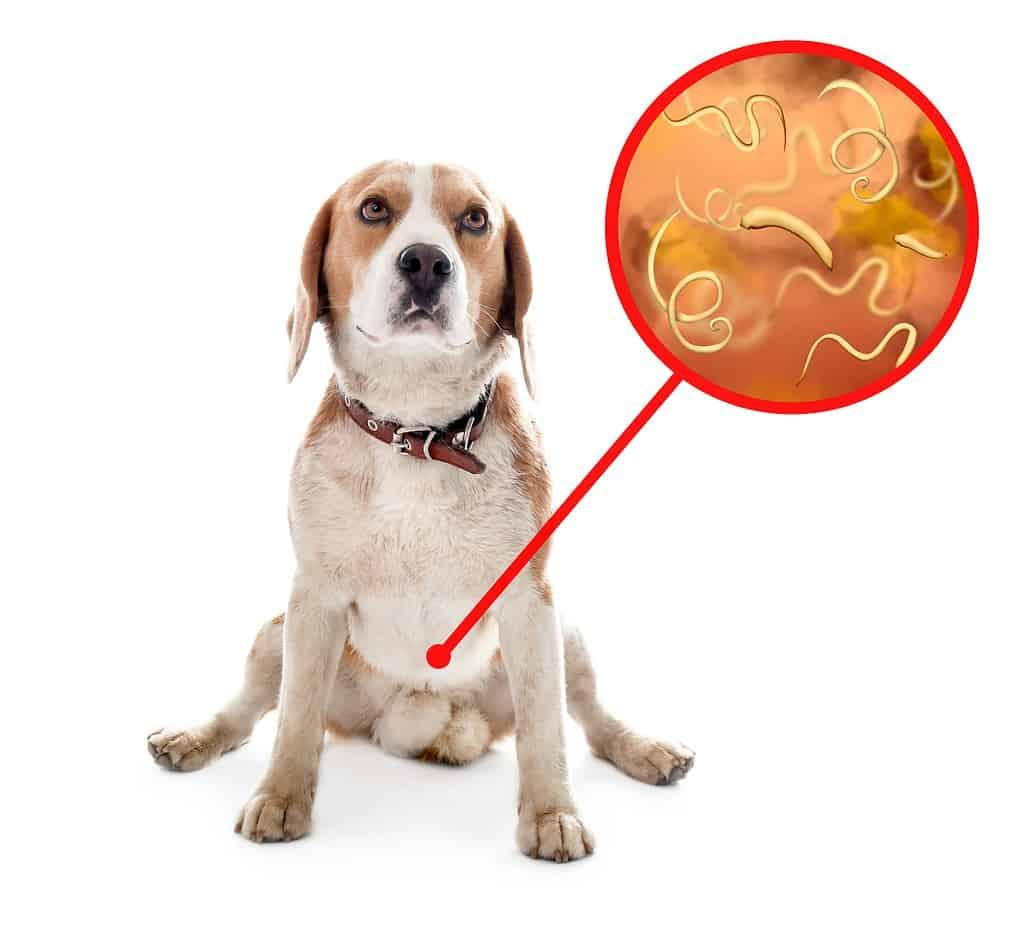
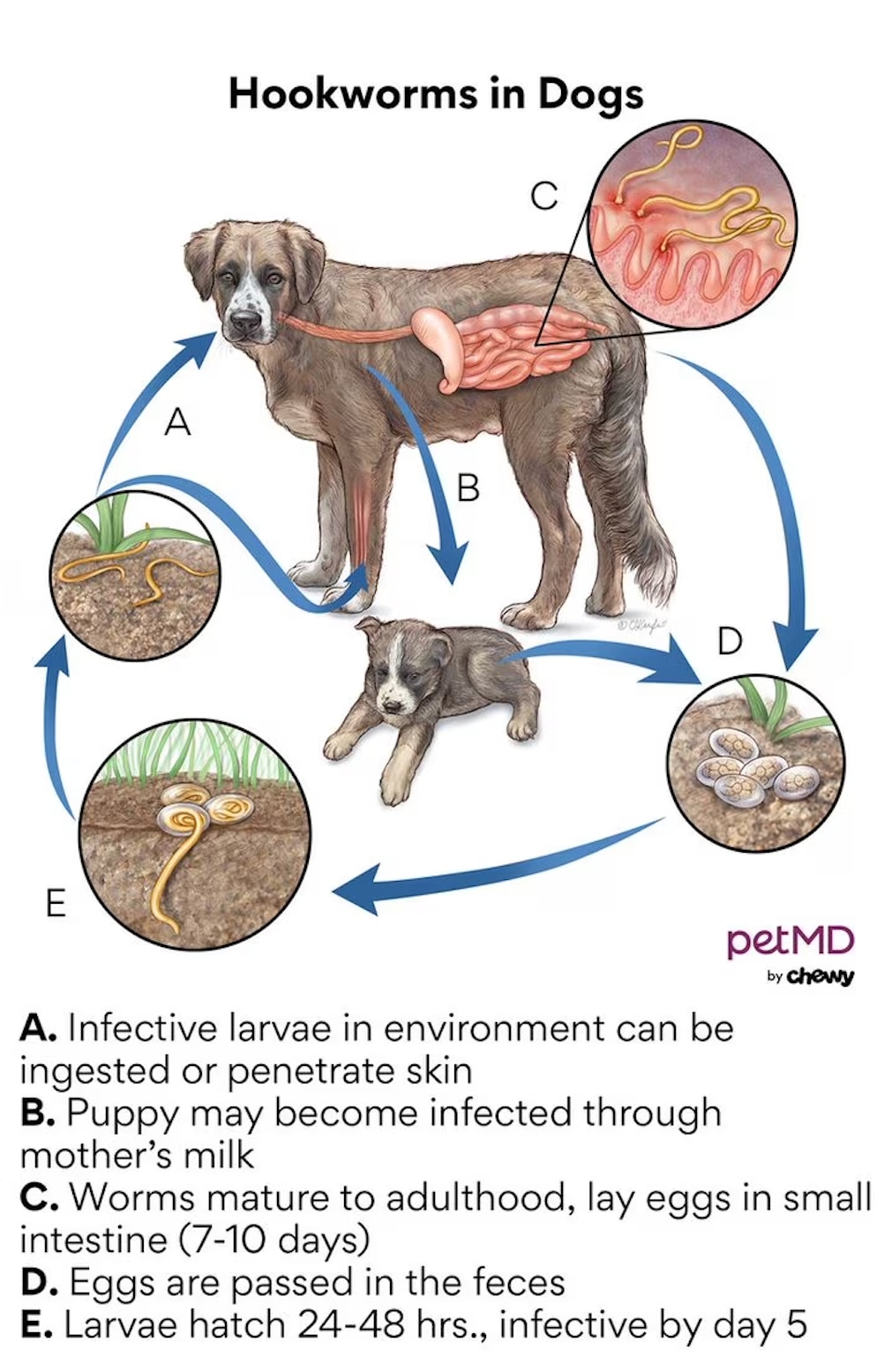
Internal parasites live inside a dog’s body, often in the stomach or intestines. Worms like roundworms, hookworms, and tapeworms are common internal parasites. These worms steal nutrients from your dog, causing weight loss and weakness. Giardia and coccidia are tiny parasites that cause diarrhea. Heartworms live in the heart and blood vessels, which can be deadly. Internal parasites often cause vomiting, diarrhea, and a dull coat.
Types Of External Parasites
External parasites live on a dog’s skin or fur. Fleas are tiny insects that bite and cause itching. Ticks attach to the skin and suck blood, spreading diseases. Mites cause mange, leading to hair loss and skin irritation. Lice are small bugs that cause scratching and discomfort. External parasites cause redness, hair loss, and skin infections if untreated.
Credit: www.morganpetclinic.com
Physical Signs Of Parasites
Parasites can harm your dog in many ways. They affect the skin, coat, and overall health. Noticing physical signs early helps protect your dog. Watch for changes in appearance and behavior. These signs often reveal parasite problems before serious issues develop.
Changes In Coat And Skin
A healthy coat looks shiny and smooth. Parasites cause dullness and hair loss. Your dog might scratch or bite the skin a lot. Redness, sores, or scabs may appear. These are signs of irritation caused by parasites.
Visible Worms Or Fleas
Some parasites you can see easily. Fleas are tiny, dark, and fast-moving bugs. Worms might appear in your dog’s stool or around the anus. Tapeworm segments look like small grains of rice. Spotting these helps confirm a parasite problem quickly.
Weight Loss And Appetite Changes
Parasites often cause your dog to lose weight. Your dog may eat less or seem less hungry. Sometimes, the dog feels full but still loses weight. These signs suggest parasites are stealing nutrients from your dog’s body.
Behavioral Changes To Notice
Parasites can cause many changes in a dog’s behavior. These changes often show before other symptoms. Watching your dog closely helps catch problems early. Notice how your dog acts daily. Any new or strange behavior can be a sign of parasites. Here are some common behavioral changes to watch for.
Increased Scratching And Licking
Parasites often cause itching and irritation. Dogs with fleas or mites scratch more than usual. They may lick certain spots on their skin. This behavior can lead to sores or hair loss. Pay attention if your dog scratches or licks repeatedly. It might indicate a parasite problem.
Lethargy And Weakness
Parasites can drain your dog’s energy. A dog with parasites may seem tired or slow. They might sleep more and play less. Weakness can affect their movements and balance. Watch for a dog that looks less active than normal. This change can signal a parasite infection.
Digestive Issues And Vomiting
Parasites often upset a dog’s stomach. Diarrhea and vomiting are common signs. Your dog might eat less or show discomfort after meals. Look for signs like bloating or stomach pain. These digestive problems often point to intestinal parasites.
:strip_icc()/canine-parasites-3385013-v1-5bacee6246e0fb00258c08c5.png)
Credit: www.thesprucepets.com
Health Risks From Parasites
Parasites in dogs cause serious health problems. They can harm your dog’s body and reduce its quality of life. Knowing the risks helps you protect your pet. Parasites can affect many parts of the body. They weaken the immune system and sometimes spread to humans. Understanding these risks is important for every dog owner.
Impact On Dog’s Immune System
Parasites attack the dog’s immune system. They use nutrients meant for the dog to grow. This leaves the dog weak and tired. The immune system struggles to fight infections. Dogs with parasites get sick more often. Healing from other illnesses takes longer. A weak immune system can cause more health issues. Protecting the immune system helps keep your dog strong.
Potential For Transmission To Humans
Some dog parasites can spread to people. This is a health risk for families. Parasites like roundworms and hookworms can infect humans. Children and older adults are more at risk. Parasites can cause skin problems and stomach pain. Good hygiene and regular vet visits lower the risk. Preventing parasites in dogs also protects your family.
When To Visit The Vet
Knowing when to visit the vet for parasite issues can save your dog’s health. Parasites can cause serious problems if not treated quickly. Watch your dog’s behavior and look for signs that need expert care. Early vet visits prevent complications and keep your dog happy.
Symptoms Requiring Immediate Attention
Some symptoms mean urgent vet care is needed. Severe diarrhea or blood in stool cannot wait. Persistent vomiting and weakness show your dog is very sick. Rapid weight loss or a swollen belly also need quick attention. If your dog shows any of these signs, visit the vet right away.
Diagnostic Tests For Parasites
Vets use tests to find parasites in dogs. A stool sample is common for checking worms and protozoa. Blood tests detect parasites that live inside organs. Skin scrapings can find external parasites like mites. These tests help vets choose the best treatment for your dog’s parasite problem.
Credit: www.petmd.com
Preventing Parasite Infestations
Preventing parasite infestations is key to keeping your dog healthy. Parasites cause discomfort and serious health issues. Taking steps to stop them early saves your dog from trouble. Simple habits protect your dog from common parasites like worms, fleas, and ticks.
Regular Deworming And Treatments
Schedule regular deworming with your vet. Deworming removes internal parasites that cause illness. Use vet-recommended medications for safe and effective treatment. Follow the treatment plan strictly to keep parasites away. Regular treatments reduce the risk of severe infections.
Maintaining A Clean Environment
Clean your dog’s living area often. Remove waste and old food quickly. Parasites thrive in dirty, damp places. Wash bedding and toys regularly to kill parasite eggs. A clean space lowers the chance of infestation.
Preventive Measures For Outdoor Dogs
Check your dog for ticks and fleas after walks. Use flea and tick preventives designed for outdoor dogs. Keep grass and bushes trimmed in your yard. Avoid areas with heavy parasite presence. These actions reduce your dog’s parasite exposure outside.
Frequently Asked Questions
What Are Common Signs Of Parasites In Dogs?
Look for weight loss, diarrhea, vomiting, and a dull coat as common parasite signs.
How Can I Check If My Dog Has Worms?
Check your dog’s stool for small white worms or segments resembling rice grains.
Can Parasites Cause Itching And Skin Problems In Dogs?
Yes, parasites like fleas and mites often cause itching and skin irritation.
How Do Parasites Affect A Dog’s Energy Levels?
Parasites can cause tiredness and weakness by stealing nutrients from your dog.
Is It Possible For Dogs To Have Parasites Without Symptoms?
Yes, some dogs carry parasites without showing any clear signs for weeks.
When Should I See A Vet About Dog Parasites?
Visit a vet if you notice persistent diarrhea, vomiting, or sudden weight loss.
Conclusion
Detecting parasites in dogs helps keep them healthy and happy. Watch for signs like itching, weight loss, or tummy trouble. Regular vet visits catch problems early. Clean your pet’s living area often. Treating parasites quickly stops them from spreading. Protect your dog with good care and attention.
A healthy dog means a joyful companion. Stay alert and act fast if you notice changes. Your dog will thank you with love and energy. Simple steps make a big difference in your dog’s life.
As an Amazon Associate, I earn from qualifying purchases.