Imagine your dog suddenly acting strange—snapping at the air, refusing to eat, or becoming unusually aggressive. You might wonder, “Could this be rabies?”
Knowing how to tell if your dog has rabies is crucial for your safety and your pet’s health. You’ll discover clear signs to watch for and what steps to take immediately. Keep reading to protect your furry friend and everyone around you before it’s too late.
Rabies Basics
Rabies is a serious disease that affects animals and humans. Knowing the basics helps you protect your dog and family. This section explains what rabies is and how it spreads.
What Rabies Is
Rabies is a virus that attacks the brain and nervous system. It causes inflammation in the brain, leading to death if untreated. The disease affects all warm-blooded animals, including dogs. Early signs in dogs include changes in behavior and unusual aggression. Rabies is almost always fatal once symptoms show.
How Rabies Spreads
Rabies spreads through the saliva of infected animals. Most commonly, the virus enters through bites or scratches. It can also spread if saliva touches open wounds or mucous membranes. Wild animals like bats, raccoons, and foxes often carry rabies. Domestic dogs can catch it if they contact infected wildlife. Vaccination is key to stopping the spread.
Early Signs In Dogs
Rabies is a serious disease that affects dogs and other animals. Spotting early signs can help protect your dog and others. Early signs often show up before the disease gets worse. Knowing these signs helps you act fast and get help for your dog.
Behavioral Changes
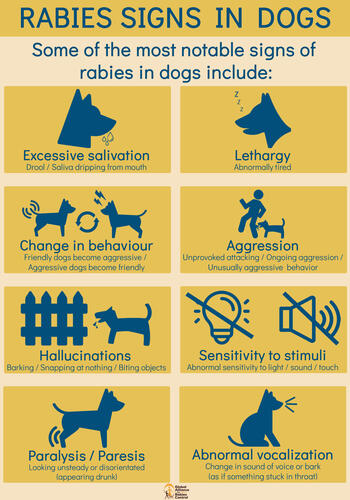
Dogs with rabies may act strange or unusual. They can become nervous or restless for no clear reason. Some dogs hide or seem scared. Others might show unusual aggression or snap at people. A calm dog might suddenly become very shy or avoid contact. These changes can happen quickly and without warning.
Physical Symptoms
Rabies can cause clear physical signs in dogs. Look for weakness or trouble walking. Dogs may seem tired or limp. They might have a fever or unusual drooling. Swelling around the bite area can also appear. Some dogs may have trouble swallowing or make strange sounds. These symptoms show the disease is affecting the dog’s body.
Advanced Symptoms
Advanced symptoms of rabies show serious changes in your dog’s behavior and body. These signs mean the virus has spread in the nervous system. Watch carefully for unusual actions and physical problems. Early care is critical at this stage.
Aggression And Restlessness
Dogs with rabies may become very aggressive without cause. They might growl, snap, or try to bite people or other animals. Restlessness is common too. The dog may pace or seem unable to settle down. This change happens fast and is a warning sign.
Paralysis And Weakness
Paralysis starts in the legs or face and spreads quickly. Weakness makes it hard for the dog to stand or walk. The dog may drool or have trouble swallowing. These signs show the virus is affecting nerves controlling muscles. Immediate help is necessary.

Credit: www.crittercreekvet.com
Risk Factors For Dogs
Understanding the risk factors for rabies in dogs helps keep them safe. Rabies spreads mainly through bites from infected animals. Dogs with certain risk factors need extra care and attention. Knowing these risks can help you act fast if signs appear.
Exposure To Wild Animals
Wild animals like bats, raccoons, and foxes often carry rabies. Dogs that roam outside or hunt have a higher chance of contact. Even small bites or scratches from wild animals can transmit the virus. Watch dogs closely if they encounter wildlife. Avoid letting dogs near strange or wild creatures.
Vaccination Status
Vaccination protects dogs from rabies infection. Dogs without current rabies shots face a greater risk. Vaccines work best when given on time and boosted regularly. Check your dog’s vaccination records often. Unvaccinated dogs are more vulnerable to the disease.
What To Do If You Suspect Rabies
Suspecting rabies in a dog is serious. Immediate action can save lives. Knowing what to do helps protect you and others around the dog.
Stay calm and follow clear steps. Protect yourself first. Then get help for the dog quickly.
Safety Precautions
Keep a safe distance from the dog. Rabies spreads through bites and saliva. Avoid touching or hugging the dog. Use thick gloves if you must handle it. Do not try to feed or calm the dog. Warn others nearby to stay away. Secure the area to prevent escape.
Seeking Veterinary Help
Call a veterinarian immediately. Explain the symptoms and your concerns. Follow their advice carefully. Take the dog to the clinic if safe to do so. The vet will test and treat the dog. Rabies requires urgent medical attention. Early help improves chances of control. Report the case to local animal control.

Credit: www.williamscaputo.com
Preventing Rabies In Dogs
Preventing rabies in dogs is the best way to keep them safe and healthy. Rabies is a deadly virus that spreads through bites from infected animals. Taking steps to prevent this disease protects your dog and your family. Simple habits can reduce the risk of rabies and keep your dog happy.
Vaccination Importance
Vaccinating your dog is the most effective way to prevent rabies. Vaccines create protection against the virus before exposure. Most areas require rabies shots by law. Keep your dog’s vaccinations up to date. Schedule regular visits to the vet for booster shots. A vaccinated dog is less likely to catch or spread rabies. This step saves lives.
Avoiding High-risk Areas
Stay away from places where wild animals live. Skunks, bats, raccoons, and foxes often carry rabies. Avoid letting your dog roam in wooded or rural areas alone. Always watch your dog closely on walks. Keep your dog on a leash in unfamiliar places. Reduce chances of encounters with infected animals. Safe areas help keep rabies far from your dog.
Credit: kdfoundation.org
Frequently Asked Questions
What Are The First Signs Of Rabies In Dogs?
Early signs include changes in behavior, fearfulness, and unusual aggression.
How Long Does It Take For Rabies Symptoms To Appear?
Symptoms usually appear within 1 to 3 months after the bite.
Can Rabies Cause A Dog To Act Restless Or Irritable?
Yes, restlessness and irritability are common symptoms of rabies in dogs.
How Can I Tell If My Dog Has Rabies Or Another Illness?
Rabies often causes excessive drooling, paralysis, and sudden behavior changes.
Is It Possible For A Vaccinated Dog To Get Rabies?
Vaccinated dogs have a very low risk but should still be monitored closely.
What Should I Do If I Suspect My Dog Has Rabies?
Contact a veterinarian immediately and avoid touching your dog’s saliva or bite wounds.
Conclusion
Recognizing rabies signs in dogs can save lives. Watch for unusual behavior and sudden changes. Act quickly if you notice aggression or paralysis. Contact a vet immediately for proper diagnosis and care. Keep your dog’s vaccinations up to date. Stay calm and protect your family and pets.
Early action prevents serious health risks. Stay informed, stay safe.
As an Amazon Associate, I earn from qualifying purchases.