Is your cat looking thinner than usual? You might be wondering, “How can I tell if my cat is too skinny?”
It’s normal to worry when your furry friend seems underweight. But how do you know if it’s just a slim build or a sign of something serious? You’ll discover simple ways to check your cat’s weight and what to do if you find a problem.
Keep reading to make sure your cat stays happy and healthy.
Recognizing A Healthy Cat Weight
Recognizing a healthy cat weight is key to keeping your cat happy and safe. Cats that are too skinny may face health problems. Cats that are too heavy also risk illness. Knowing the signs of a healthy weight helps you spot issues early. It helps you give the best care possible.
Every cat is different. Age, breed, and lifestyle all affect weight. Watch your cat’s body shape and size for clues. Regular checks help you track changes. This way, you can act fast if your cat’s weight drops too low.
Ideal Body Shape For Cats
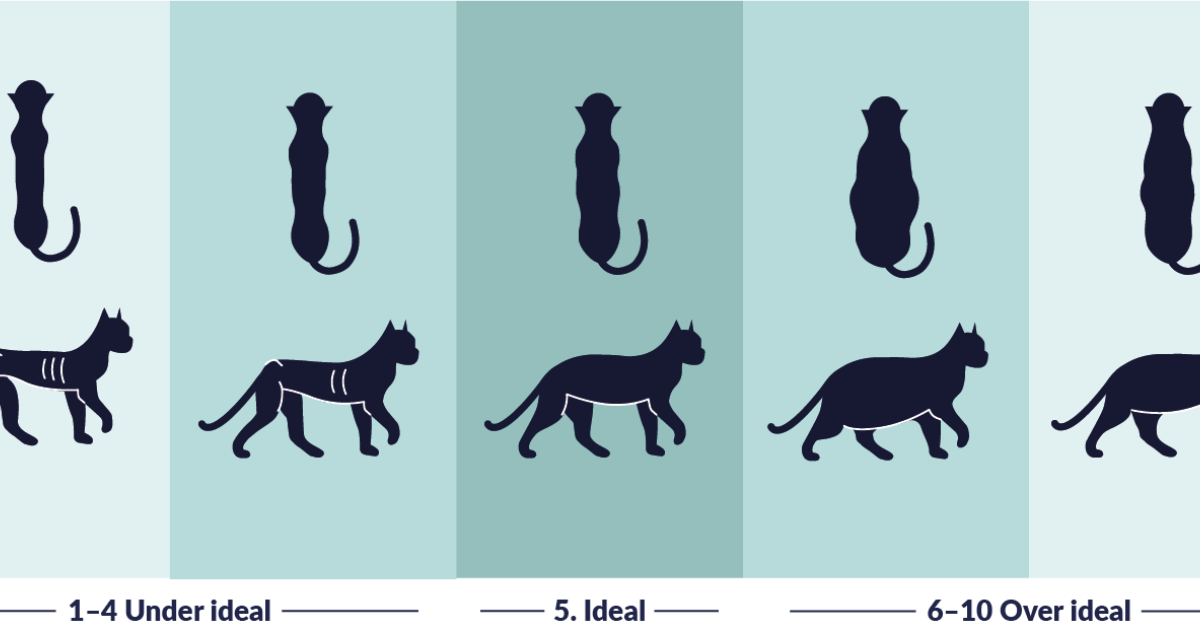
A healthy cat has a clear waist when seen from above. You should see a slight narrowing behind the ribs. The ribs should be easy to feel but not seen. The belly should tuck up slightly between the rib cage and hips. A cat with a round belly or bulging sides might be overweight. Too much visible bone or a flat body means your cat is too skinny.
Normal Weight Ranges By Breed And Age
Weight varies by breed. Small breeds like Siamese weigh less than larger breeds like Maine Coons. Kittens weigh less than adult cats, and senior cats may lose weight naturally. The average house cat weighs between 8 and 10 pounds. Some breeds can weigh 15 pounds or more without health issues. Check with your vet for breed-specific weight guidelines. Age and health also change the ideal weight over time.
Physical Signs Of A Skinny Cat
Noticing if your cat is too skinny can be tricky. Cats come in many shapes and sizes. Still, some physical signs show your cat might be underweight. These signs help you understand your cat’s health better.
Visible Ribs And Spine
You should see your cat’s ribs easily. They should not be covered by too much fat. If ribs and spine stick out sharply, this is a warning. Healthy cats have a thin layer of fat over these bones.
Sunken Flanks And Hips
The area behind the ribs, called flanks, should look smooth. Sunken or hollow flanks mean weight loss. Hips may also appear sharp and bony. This shows your cat may not have enough body fat.
Loss Of Muscle Mass
Muscle loss is another sign of a skinny cat. You might notice your cat looks less strong. Legs, shoulders, and back may seem thin. This means your cat is losing more than fat; it loses muscle too.
Behavioral Clues To Watch
Behavioral clues often reveal if a cat is too skinny. These signs show changes in your cat’s health and habits. Watching your cat’s behavior can help catch problems early. It gives you a better chance to act fast and help your cat.
Decreased Appetite
A cat that eats less than usual may be too thin. Loss of appetite can signal illness or pain. Cats with low hunger might avoid meals or eat less food. Notice if your cat skips meals or leaves food behind.
Lethargy And Weakness
Thin cats often show less energy. They may sleep more and move less. Weakness can make your cat avoid playing or jumping. Watch for slow movements and tiredness during usual activities.
Excessive Grooming Or Lack Thereof
Changes in grooming habits can indicate health issues. Cats may groom too much to soothe pain or stress. On the other hand, a skinny cat might stop grooming. Poor grooming can cause a messy or dull coat.

Credit: www.bellaandduke.com
Common Causes Of Weight Loss In Cats
Weight loss in cats can signal many problems. Understanding common causes helps you spot issues early. Cats losing weight need attention. Some causes are medical, while others relate to diet or stress. Recognizing these factors can protect your cat’s health.
Medical Issues And Illness
Many health problems cause weight loss in cats. Conditions like diabetes, kidney disease, or hyperthyroidism affect appetite and metabolism. Parasites or infections can also reduce body weight. Pain or dental problems may make eating difficult. Regular vet visits catch these issues early.
Poor Nutrition Or Diet Changes
Low-quality food can lead to poor nutrition and weight loss. Sudden diet changes may upset a cat’s digestion. Cats need balanced meals with enough protein and fat. Skipping meals or picky eating also causes weight problems. Watch your cat’s eating habits closely.
Stress And Environmental Factors
Stress can cause cats to lose weight quickly. Moving to a new home or changes at home may upset them. Loud noises, new pets, or lack of hiding spots increase stress. Stress lowers appetite and energy. Providing a calm, safe space helps your cat feel secure.
When To Contact A Veterinarian
Knowing when to contact a veterinarian is key if your cat looks too skinny. Cats hide illness well. Early action can save your pet’s life. Watch for clear signs that mean a vet visit is needed quickly. Being prepared helps you get the best care for your cat.
Signs Requiring Immediate Attention
Severe weight loss in a short time needs urgent care. Refusing to eat for more than 24 hours is dangerous. Vomiting or diarrhea that lasts more than a day can cause dehydration. Weakness or difficulty walking means your cat may be very sick. Sudden changes in behavior, like hiding or aggression, should not be ignored. Any breathing trouble or pale gums needs fast veterinary help.
Preparing For The Vet Visit
Write down all symptoms you noticed. Note changes in eating, drinking, and activity. Bring a list of current foods and treats. Include any medications or supplements your cat takes. Try to weigh your cat at home, if possible. Prepare questions about diet, health, and care. Stay calm and bring a secure carrier for your cat. Early vet visits help find the cause and start treatment fast.
Credit: www.reddit.com
Tips To Help Your Cat Gain Weight Safely
Helping your cat gain weight safely requires patience and care. The goal is to improve their health without causing new problems. Focus on good nutrition and regular feeding habits. Small steps can make a big difference in your cat’s weight and energy.
Choosing Nutrient-rich Foods
Select foods high in protein and fat to support weight gain. Wet food often has more calories than dry food. Look for brands with real meat as the first ingredient. Avoid fillers like corn or soy, which add little nutrition. Supplements can help but consult a vet first.
Feeding Frequency And Portions
Feed smaller meals more often to encourage eating. Three to four meals a day works well for many cats. Measure portions carefully to avoid overfeeding or underfeeding. Keep feeding times consistent to create a routine. Monitor your cat’s weight and adjust food amounts slowly.
Encouraging Healthy Eating Habits
Create a calm and quiet place for your cat to eat. Remove distractions like loud noises or other pets. Offer food at regular times to build good habits. Try warming wet food slightly to enhance smell and taste. Praise your cat gently to encourage eating without stress.
Credit: firstvet.com
Frequently Asked Questions
How Can I Tell If My Cat Is Underweight?
Look for visible ribs, spine, and hip bones with little fat covering.
What Health Problems Cause Cats To Lose Weight?
Illnesses like parasites, dental issues, or organ diseases often cause weight loss.
How Much Should A Healthy Cat Weigh?
Adult cats usually weigh between 8 to 12 pounds, depending on breed.
Can A Skinny Cat Be Healthy?
Some cats are naturally slim but still healthy; look for energy and appetite.
When Should I Take My Cat To The Vet For Weight Loss?
Visit the vet if weight loss is sudden, severe, or accompanied by other symptoms.
How Can I Help My Cat Gain Weight Safely?
Feed high-quality, calorie-rich food and provide regular small meals throughout the day.
Conclusion
A cat that is too skinny needs attention fast. Watch for signs like visible bones and low energy. Regularly check your cat’s weight and body shape. A healthy diet and vet visits help keep your cat strong. Early care can prevent serious health problems.
Stay alert and act quickly for your pet’s well-being. Your cat depends on you to stay healthy and happy.
As an Amazon Associate, I earn from qualifying purchases.