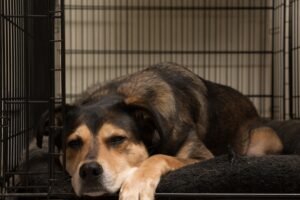
If your dog suddenly starts limping or won’t put weight on a paw, you might be wondering, “Did my dog break his leg?” It’s a scary thought, and you want to know for sure. Knowing the signs of a broken leg can help you act fast and get your furry friend the care they need.
You’ll learn exactly what to look for and what steps to take. Keep reading—your dog’s health could depend on it.
Common Causes Of Dog Leg Injuries
Dog leg injuries can happen for many reasons. Knowing common causes helps you spot problems fast. Dogs love to run, jump, and play. This active lifestyle sometimes leads to accidents. Understanding these causes can keep your dog safer.
Accidents And Falls
Dogs can fall from stairs or furniture. Slipping on wet floors also causes injuries. Falls may break bones or sprain joints. Older dogs or puppies are more at risk. Watch your dog closely after any fall.
Rough Play
Dogs often play with other dogs or people. Rough play can twist or hurt their legs. Tugging games or chasing can cause strain. Even playful fights may lead to injuries. Stop play if your dog shows pain or limping.
Car Injuries
Cars cause serious harm to dogs outside. Dogs hit by cars often break bones. Speed and impact make injuries worse. Keep your dog on a leash near roads. Quick action is vital after any car accident.
Credit: boneocanine.com
Physical Signs Of A Broken Leg
Recognizing a broken leg in your dog is important. Early detection helps your pet get the right care fast. Physical signs often show clearly and guide your actions. Watch your dog carefully for these key symptoms.
Swelling And Bruising
Swelling often appears near the injury site. The area may look puffy and feel warm. Bruises can show as dark or red spots on the skin. These signs mean damage under the skin and possible broken bones.
Visible Deformities
Check your dog’s leg for unusual shapes. Bones may stick out or bend oddly. This change in shape is a strong sign of a break. Do not try to straighten the leg yourself.
Unusual Limb Position
Your dog may hold the leg in a strange way. The limb might hang loose or be stiff. Your dog may avoid putting weight on that leg. Notice any odd angles or movements in the limb.
Behavioral Changes To Notice
Noticing behavioral changes in your dog can help spot a broken leg early. Dogs act differently when they are in pain or hurt. Watching for these changes can protect your dog from more damage. Pay close attention to how your dog moves, sounds, and reacts to touch.
Limping Or Refusal To Walk
Limping is a clear sign of leg pain. Your dog may lift one paw off the ground. Sometimes, your dog may refuse to walk or run. This behavior shows discomfort in the leg. Do not force your dog to move if it refuses.
Whining Or Whimpering
Dogs often make sounds if they feel pain. Whining or whimpering can happen after an injury. These sounds may increase when you touch the hurt leg. Quiet dogs making noise means something is wrong.
Avoiding Touch Or Movement
Your dog may pull away when you try to touch the leg. It might stop wagging its tail or acting playful. A dog in pain may stay still and avoid moving the leg. This behavior shows it wants to protect the injury.
How To Safely Examine Your Dog
Knowing how to safely examine your dog is crucial after a suspected injury. Careful inspection helps identify if your dog has a broken leg. It also prevents more harm during the check. Stay calm and gentle to keep your dog relaxed.
Preparing Your Dog For Inspection
Find a quiet place with good light for the check. Use a calm voice to soothe your dog. Let your dog sniff your hands before touching. Keep the dog still but comfortable. Use treats to reward calm behavior. Have a helper hold your dog if needed.
Checking For Pain Points
Look for swelling, cuts, or bruises on the leg. Gently touch the leg from top to bottom. Watch your dog’s face for signs of pain. Avoid pressing hard on sore areas. See if your dog pulls away or whines. Check the paw and toes for injury too.
Avoiding Further Injury
Support the leg as much as possible during the exam. Do not force movement if your dog resists. Use a towel or blanket to lift the dog if needed. Keep your dog calm to prevent sudden moves. Call a vet immediately if you see serious injury. Safe handling helps your dog heal faster.
When To Seek Veterinary Care
Knowing when to seek veterinary care for your dog’s possible broken leg is crucial. Immediate action can prevent complications and reduce pain. Watch your dog closely for signs that need urgent attention or a scheduled check-up.
Emergency Symptoms
Look for severe pain and inability to put weight on the leg. Notice if the leg looks deformed or bent in an unusual way. Check for open wounds with bone or tissue showing. Swelling and bleeding are also urgent signs. If your dog is weak, collapsing, or very restless, act fast.
Scheduling A Vet Visit
Call your vet if your dog limps or avoids using the leg. Mild swelling or tenderness needs professional evaluation too. Keep your dog calm and restrict movement before the visit. Describe symptoms clearly when making an appointment. Your vet will guide you on how soon to come in.
What To Expect At The Clinic
The vet will examine the leg carefully. They may take X-rays to find the break or fracture. Pain relief and immobilizing the leg are common treatments. Surgery might be needed for serious breaks. Follow all care instructions and keep your dog comfortable at home.
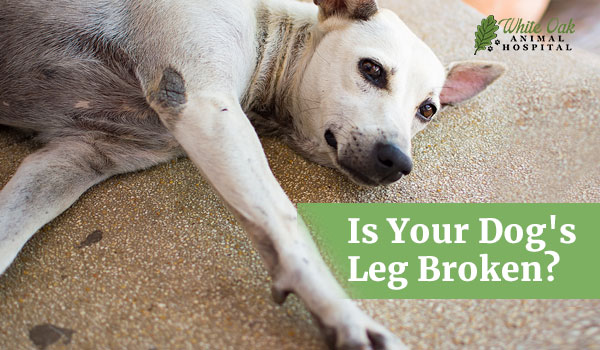
Credit: whiteoakvet.com
First Aid Tips For Suspected Leg Breaks
Knowing how to provide first aid for a suspected broken leg is important. Quick action can ease your dog’s pain and prevent more damage. Stay calm and act carefully to help your dog feel safe. Follow these simple steps to handle the situation properly before reaching a vet.
Immobilizing The Leg
Keep the broken leg still to avoid more injury. Use a stiff material like a stick or rolled-up newspaper as a splint. Place it alongside the leg gently. Wrap the leg and splint with a soft cloth or bandage. Do not wrap too tightly. Check for signs of poor blood flow like swelling or cold toes. Avoid trying to straighten the bone.
Managing Pain And Anxiety
Speak softly to calm your dog. Avoid sudden movements or loud noises. Keep your dog warm and comfortable with a blanket. Do not give human pain medicine. It can harm your dog. Focus on gentle care until the vet takes over. Comfort helps lower stress and pain.
Transporting Your Dog Safely
Move your dog carefully to avoid more pain. Use a sturdy board or flat surface to lift your dog. Support the body and broken leg well. Avoid dragging or pulling on the injured leg. Keep your dog lying down during transport. Drive slowly and avoid bumps in the road. Get to the vet quickly but safely.
Recovery And Healing Process
The recovery and healing process after a dog breaks a leg is very important. It helps your pet get back to normal life safely. Careful attention and patience can make a big difference.
Your dog’s body needs time to heal the broken bone. The healing process can take weeks or even months. During this time, you must follow your vet’s advice closely.
Rest And Restricted Movement
Rest is the most important part of healing. Your dog should avoid running, jumping, or playing. Keep your dog in a quiet, small space to limit movement. Use a crate or a small room if needed. Too much movement can slow healing or cause more injury.
Follow-up Care And Checkups
Regular checkups help the vet see how the bone is healing. Your vet may take X-rays to check progress. Follow the vet’s schedule for visits and treatments. Sometimes, the vet will adjust care based on your dog’s healing.
Signs Of Complications
Watch for swelling, redness, or bad smells near the injury. If your dog has fever or acts very tired, alert the vet. Limping that does not improve may mean a problem. Pain that gets worse instead of better needs attention. Early care can prevent serious issues.

Credit: todaysveterinarybusiness.com
Frequently Asked Questions
What Are Common Signs My Dog Broke His Leg?
Limping, swelling, pain, unwillingness to walk, or a visible deformity may indicate a broken leg.
How Can I Tell If My Dog’s Leg Is Swollen?
Look for unusual puffiness, warmth, or a firm area compared to the other leg.
Can My Dog Walk With A Broken Leg?
Sometimes dogs try to walk but will limp or avoid putting weight on the leg.
Should I Move My Dog If I Suspect A Broken Leg?
Limit movement to prevent more damage and contact a vet immediately for help.
How Soon Should I See A Vet After My Dog’s Injury?
Seek veterinary care as soon as possible to diagnose and treat the injury.
What Happens If A Broken Leg In Dogs Is Untreated?
Untreated breaks can cause pain, infection, and long-term mobility problems for your dog.
Conclusion
A broken leg in dogs needs quick attention. Watch for signs like limping, swelling, or pain. Don’t wait too long to get help. A vet can check and treat your dog properly. Early care helps your pet heal faster. Keep your dog calm and still until you reach the vet.
Remember, your quick action can make a big difference. Caring for your dog’s injury shows your love and concern. Stay alert and act fast for your dog’s health.
As an Amazon Associate, I earn from qualifying purchases.