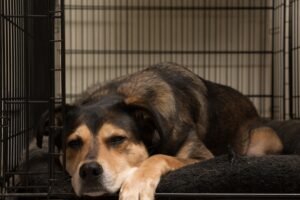
Have you ever wondered if your dog is feeling cold but weren’t sure how to tell? Just like you, your furry friend can get chilly, and knowing the signs can help you keep them safe and comfortable.
If you miss these clues, your dog might suffer without you realizing it. You’ll discover simple ways to spot when your dog is cold and what you can do to warm them up quickly. Keep reading to make sure your best friend stays happy and cozy, no matter the weather.

Credit: www.youtube.com
Signs Your Dog Is Cold
Dogs cannot tell us when they feel cold. They show it through their behavior and body signs. Watching your dog closely helps you know when they need warmth. Spotting these signs early keeps your dog safe and comfortable.
Shivering And Trembling
Shivering is a clear sign your dog feels cold. Their body shakes to make heat. Trembling can happen even if your dog looks calm. Small dogs and short-haired breeds shiver more often.
Cold Ears And Paws
Touch your dog’s ears and paws. Cold ears and paws mean your dog is losing body heat. These areas get cold faster because they have less fur. Check often during chilly weather.
Whining Or Barking
Dogs may whine or bark to show discomfort. Sounds can mean they want you to notice they are cold. Pay attention to changes in their usual noises. This helps you act quickly.
Seeking Warmth
Your dog might move closer to warm spots. They may sit near heaters or under blankets. This behavior shows they want to get warm. Watch for sudden changes in where they like to rest.
Curling Up Tightly
Curling into a tight ball helps dogs keep heat. They tuck their nose under their tail. This posture protects vital organs from cold. It’s a natural way to stay warm.

Credit: www.youtube.com
Factors That Affect Dog’s Cold Sensitivity
Dogs feel cold in different ways. Some dogs stay warm easily. Others get cold fast. Many things change how dogs feel the cold. Knowing these helps you keep your dog safe and warm.
These factors include the dog’s breed, age, health, size, and weight. Each factor plays a role in how well a dog handles cold weather.
Breed And Coat Type
Some breeds have thick fur that keeps them warm. Huskies and Malamutes have double coats to protect from cold. Short-haired dogs like Chihuahuas lose heat quickly. Thin coats mean less protection from cold air and snow.
Coat length and thickness help dogs stay warm. Dogs with dense fur need less extra warmth. Dogs with thin or no fur need more care in cold weather.
Age And Health
Young puppies and older dogs feel cold faster. Their bodies do not regulate heat well. Sick dogs may also struggle to stay warm. Health problems like arthritis make cold more painful.
Weak dogs need extra blankets or jackets. Watch for signs of shivering or discomfort. Cold can make some health issues worse.
Size And Weight
Small dogs lose body heat faster than large dogs. Their bodies have less fat to keep warm. Light dogs feel the cold more than heavy dogs. Bigger dogs have more muscle and fat to protect them.
Weight helps keep a dog warm. Thin dogs need more protection from cold. Size and weight affect how cold a dog feels outside.
How To Keep Your Dog Warm
Keeping your dog warm is key to their health and comfort during cold weather. Dogs can feel chilly just like people. You can help by giving them extra protection from the cold. There are simple ways to keep your dog cozy and safe.
Warm dogs stay happy and active. Cold dogs may shiver or act tired. Let’s explore easy steps to keep your dog warm inside and outside.
Proper Clothing And Accessories
Dog sweaters and jackets add a warm layer. Choose clothes that fit well and cover the chest and back. Avoid tight or loose clothes that can bother your dog.
Boots protect paws from ice and cold ground. They also stop salt and chemicals from hurting your dog’s feet. Check boots often for comfort and fit.
Creating Cozy Spaces
Make a warm bed in a quiet spot. Use soft blankets or dog beds with thick padding. Keep the bed off cold floors or add a raised platform.
Cover the bed with a blanket or dog tent. This traps heat and keeps drafts away. Change bedding regularly to keep it dry and clean.
Indoor Temperature Tips
Keep your home warm during winter. Avoid cold drafts near where your dog rests. Use heaters safely and never leave them unattended.
Close windows and doors tightly. Use curtains to block out cold air at night. Monitor your dog’s behavior for signs of cold inside.
When Cold Becomes Dangerous
Dogs can feel cold just like people. Sometimes cold is just uncomfortable. Other times, it can be very dangerous. Knowing when cold becomes a threat can save your dog’s life. Watch your dog closely for warning signs. Act fast to keep your dog safe and warm.
Signs Of Hypothermia
Hypothermia happens when a dog’s body temperature drops too low. Shivering is the first sign. Your dog may also seem tired or weak. Look for pale or blue gums. Slow breathing and a weak pulse can appear. Stiff muscles and lack of coordination show serious trouble. These signs need quick attention.
Immediate Actions To Take
Move your dog to a warm place right away. Wrap your dog in blankets or towels. Use warm, not hot, packs on their neck and chest. Avoid direct heat like heating pads or hot water. Offer warm water to drink if your dog is awake. Keep your dog calm and still to save energy.
When To Contact A Vet
Call a vet immediately if your dog shows hypothermia signs. Coldness lasting more than 30 minutes is serious. If your dog stops shivering or becomes unconscious, get help fast. Early treatment can prevent lasting harm. Don’t wait to see if your dog gets better alone.
Preventing Cold-related Issues
Cold weather can cause health problems for dogs. Preventing cold-related issues is important to keep pets safe and comfortable. Small changes in daily care can make a big difference. Watch your dog closely and act early to protect them from the cold.
Adjusting Outdoor Time
Limit your dog’s time outside during cold days. Short walks are better than long play sessions. Bring your dog indoors if they start to shiver or seem tired. Use dog coats or sweaters for extra warmth. Avoid wet or icy places that can chill your dog quickly.
Nutrition And Hydration
Feed your dog a balanced diet to help them stay warm. Good nutrition supports their energy and body heat. Make sure fresh water is always available. Cold weather can make dogs drink less, so check their water bowl often. Warm food can help maintain their body temperature.
Regular Health Checks
Regular vet visits help catch cold-related problems early. Check your dog’s skin, paws, and ears for signs of frostbite. Keep an eye on their weight and energy level. Older dogs and puppies need extra care in cold weather. Early treatment keeps your dog healthy and happy.

Credit: lanapaws.com
Frequently Asked Questions
How Can I Tell If My Dog Feels Cold?
Look for shivering, curling up, slow movements, or seeking warmth from you or blankets.
What Are Common Signs My Dog Is Too Cold?
Shivering, whining, stiff body, pale gums, and cold ears or paws show your dog is cold.
Can Small Dogs Get Cold Easier Than Big Dogs?
Yes, small dogs lose heat faster and need extra warmth during chilly weather.
Should I Bring My Dog Inside If It Looks Cold?
Yes, bring your dog indoors to warm up and avoid health risks like hypothermia.
How Does Cold Affect My Dog’s Behavior?
Cold dogs may act tired, hide, or refuse to move much to save energy.
What Can I Do To Keep My Dog Warm Outdoors?
Use dog coats, blankets, and limit outdoor time during cold weather for comfort.
Conclusion
Knowing the signs your dog feels cold helps keep them safe and happy. Watch for shivering, cold ears, or curling up tightly. Offer warm blankets or move them inside if needed. Regular checks protect your dog from cold stress. Stay alert to their comfort during chilly days.
Caring for your dog shows love and helps them stay healthy. Small actions make a big difference in your pet’s well-being. Keep your dog warm and enjoy cozy moments together.
As an Amazon Associate, I earn from qualifying purchases.