Training a bird dog can be one of the most rewarding experiences for you and your furry companion. But if you don’t know where to start, it might feel overwhelming.
What if you could learn simple, effective steps that make training easier and more fun? Imagine the pride you’ll feel when your dog listens to your commands and works confidently by your side. In this guide, you’ll discover clear tips and tricks to turn your dog into a skilled bird dog.
Keep reading, and by the end, you’ll have the tools to build a strong bond and enjoy successful training sessions together.
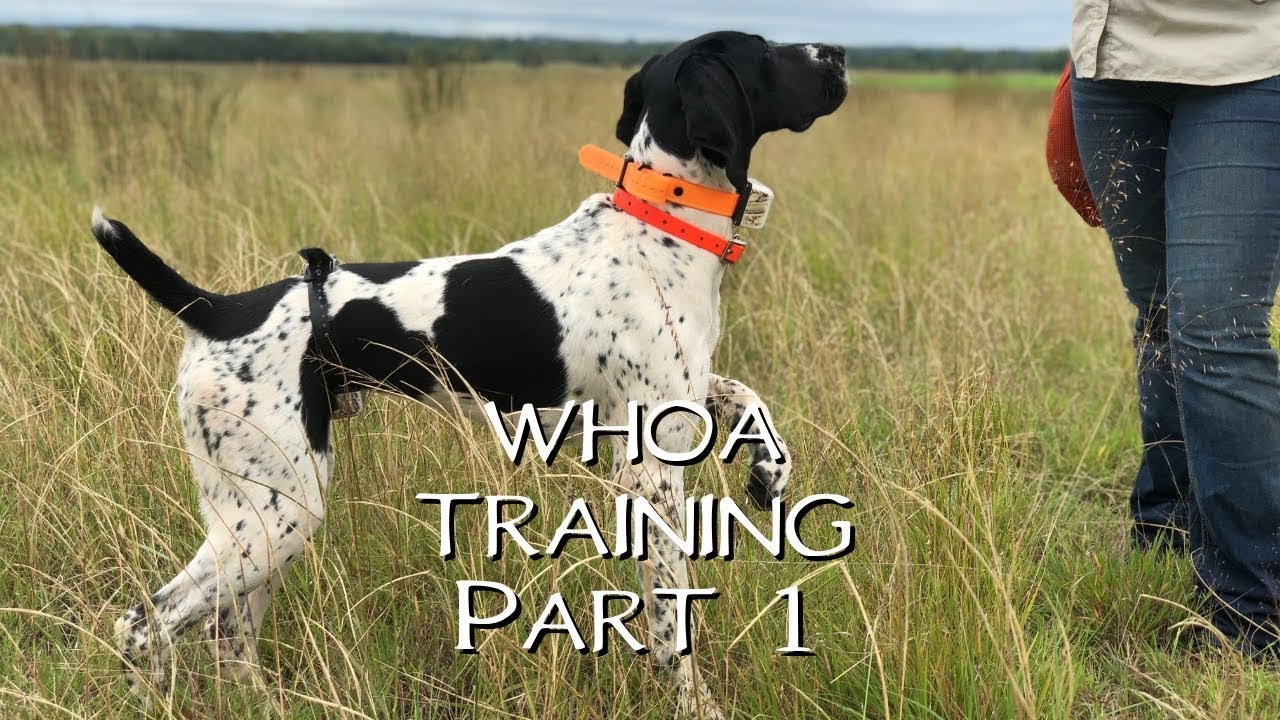
Credit: www.youtube.com
Choosing The Right Bird Dog
Choosing the right bird dog is the first step to successful training. The right dog fits your needs and hunting style. You need a dog that is eager, smart, and easy to train. Picking the right breed, temperament, and age makes training smoother and more fun.
Popular Bird Dog Breeds
Several dog breeds excel at bird hunting. English Setters are calm and good at pointing. German Shorthaired Pointers are energetic and smart. Brittany Spaniels have great noses and are quick learners. Each breed has unique traits that help in different hunting conditions.
Assessing Temperament
Temperament matters more than looks. A good bird dog is focused and alert. They should enjoy working outdoors and obey commands. Calm dogs may struggle with training. Too much energy can cause distractions. Find a dog that balances energy and calmness well.
Age And Training Potential
Young dogs learn faster but need patience. Puppies require basic obedience before hunting lessons. Older dogs may have habits that are hard to change. Still, mature dogs can learn if motivated. Choose an age that matches your training time and skills.
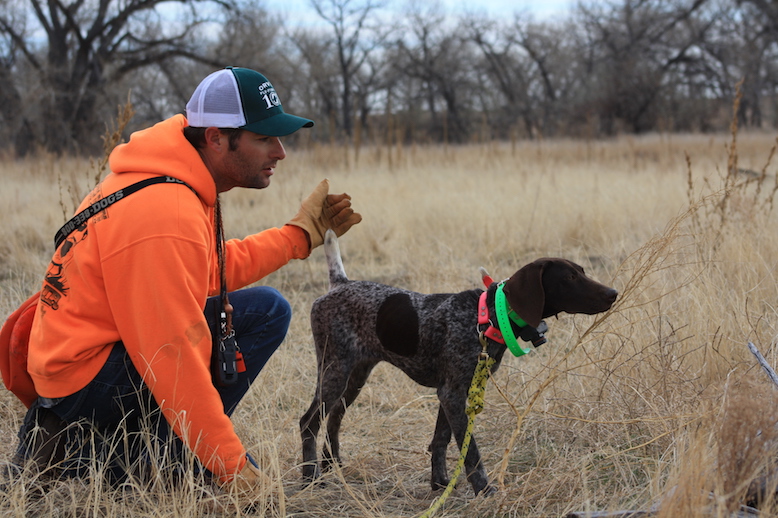
Credit: www.valhallakennels.com
Essential Training Equipment
Training a bird dog requires the right tools. Essential equipment helps guide your dog safely and effectively. This gear supports learning and builds good habits early. Proper tools make training sessions smooth and productive.
Collars And Leashes
Choose collars that fit well and feel comfortable. Flat collars work for basic control and ID tags. Slip collars offer better control during training. Use leashes that give enough length for movement. Nylon or leather leashes are strong and easy to clean. Avoid retractable leashes for training sessions.
Training Aids
Training aids encourage focus and reinforce commands. Clickers help mark correct behaviors clearly. Whistles can signal commands from a distance. Treat pouches keep rewards handy and easy to reach. Dummy birds or training bumpers teach retrieving skills. Use aids gently to keep your dog motivated.
Safety Gear
Protect your dog during outdoor training. Use brightly colored vests for visibility in fields. Boots protect paws from rough terrain and sharp objects. Reflective collars or tags improve safety in low light. Carry water and a portable bowl to keep your dog hydrated. Safety gear prevents injuries and keeps training safe.
Basic Obedience Commands
Training a bird dog starts with teaching basic obedience commands. These commands help your dog listen and behave well. They build a strong bond between you and your dog. Basic commands also keep your dog safe during hunting and daily activities.
Consistency and patience are key. Short, clear commands work best. Practice often in a quiet place. Reward good behavior with treats or praise. This creates a positive learning experience for your dog.
Sit And Stay
Start with the “Sit” command. Hold a treat above your dog’s nose. Move it back slowly over their head. When their bottom touches the ground, say “Sit.” Give the treat and praise.
Next, teach “Stay.” Ask your dog to sit. Show your open hand and say “Stay.” Take a small step back. Wait a few seconds, then return and reward. Increase the distance slowly.
Come And Heel
The “Come” command brings your dog to you. Use a happy tone and say “Come.” Show a treat or toy. When your dog reaches you, give the reward and praise.
The “Heel” command keeps your dog walking beside you. Hold a treat at your side. Say “Heel” as you start walking. Reward your dog for staying close. Practice in different places to improve focus.
Recall Techniques
Recall means your dog returns quickly when called. Use a clear, short word like “Here.” Start training in a quiet area. Call your dog, then reward immediately for coming.
Use a long leash for safety at first. Gradually allow more freedom as your dog improves. Always reward good recall to encourage the behavior. Avoid punishment if your dog takes time to return.
Introducing Field Commands
Introducing field commands is key to training a bird dog. These commands help your dog work well in the field. Clear commands make hunting easier and safer. Teaching field commands takes patience and practice. Start with simple steps and build up skills over time.
Pointing And Steady
Pointing means your dog stops and shows where birds are. It is a natural behavior in many bird dogs. Teach your dog to point without chasing the birds. Use the word “steady” to keep your dog still. Stay calm and reward your dog for holding the point. This helps your dog learn control and focus.
Marking And Retrieving
Marking means your dog watches where the bird falls. It helps your dog find the bird quickly. Teach your dog to watch carefully after a shot. Retrieving means bringing the bird back to you. Use praise and treats to encourage good retrieves. Practice with dummy birds before real hunting.
Whistle Signals
Whistles are useful for long-distance commands. They catch your dog’s attention easily. Teach your dog to respond to different whistle sounds. Use short blasts for stop and long blasts to come. Practice whistle commands often to build strong habits. Whistles keep your dog safe and close.
Building Scent And Tracking Skills
Building scent and tracking skills is key for a well-trained bird dog. These skills help dogs find birds by smell and follow trails. Training these abilities takes patience and consistent practice. Start with simple exercises and gradually make them harder. This helps your dog learn to trust its nose and track scents effectively.
Scent Introduction Exercises
Begin by introducing your dog to bird scents in a calm space. Use feathers or scent sprays to get your dog familiar. Let your dog sniff and explore the scent without pressure. Repeat this often to build interest. Keep sessions short to hold attention. Reward your dog with treats or praise when it shows focus on the scent.
Tracking Drills
Create short scent trails using bird feathers or scented objects. Lay a trail on grass or dirt for your dog to follow. Start with easy, straight paths. Walk slowly to let the scent settle. Encourage your dog to track by using a long leash. Praise and reward when your dog stays on the trail. Increase trail length and complexity as your dog improves.
Simulated Hunting Scenarios
Set up practice hunts in a safe area. Hide birds or scent markers in bushes or tall grass. Let your dog search for the hidden targets using its nose. Use commands and signals your dog knows. Keep the mood fun and calm to build confidence. Celebrate each successful find with treats and affection. Practice often to develop real hunting skills.
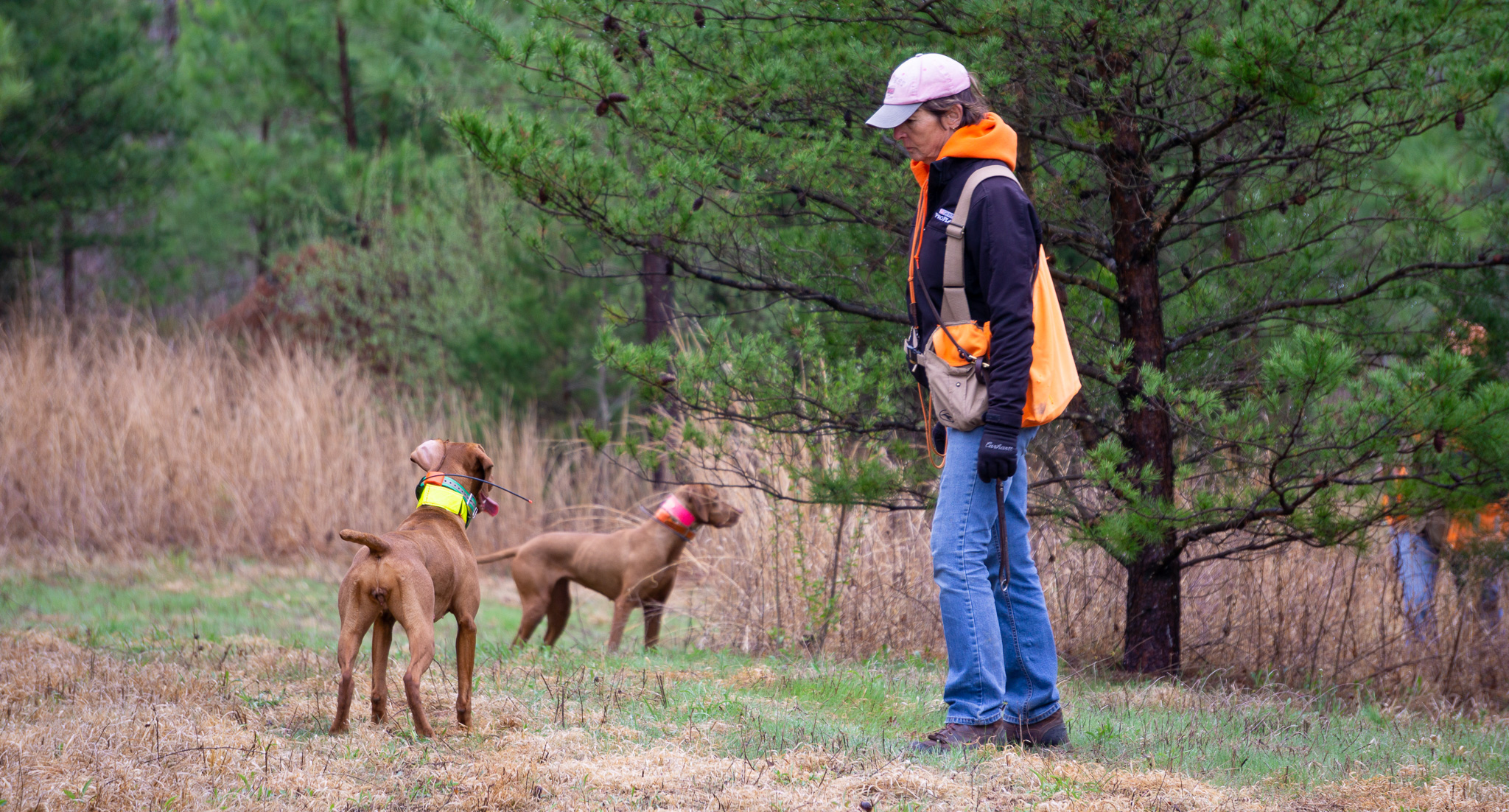
Credit: accidentalbirddog.com
Socialization And Environmental Exposure
Socialization and environmental exposure are key steps in training a bird dog. These help your dog stay calm and focused in different places and situations. Early socialization builds confidence and reduces fear. Exposure to many environments makes your dog adaptable. Both skills improve your dog’s work and behavior outdoors.
Meeting Other Dogs
Introduce your bird dog to other dogs often. Start with calm, friendly dogs in a quiet place. Let your dog sniff and play gently. Watch body language for signs of stress. Keep meetings short and positive. Meeting many dogs teaches good manners and reduces aggression. Social dogs are easier to control during hunts.
Outdoor Exploration
Take your bird dog outside daily. Walk in parks, fields, and trails. Let your dog explore new smells and sights. Walk on different surfaces like grass, dirt, and pavement. Outdoor time builds confidence and curiosity. It also improves stamina and muscle strength. Regular outdoor exposure prepares your dog for hunting conditions.
Noise And Distraction Training
Train your bird dog to focus amid noise and distractions. Use sounds like clapping, traffic, or other animals. Start softly and increase volume slowly. Reward your dog for staying calm and attentive. Practice in busy places to improve focus. This training helps your dog ignore distractions while hunting. A focused dog follows commands better and works efficiently.
Common Challenges And Solutions
Training a bird dog involves patience and clear methods. Some common challenges appear during training. These can slow progress or cause frustration.
Knowing how to face these problems helps keep training smooth. Simple solutions can fix most issues quickly. Here are some common challenges and ways to solve them.
Dealing With Stubbornness
Stubbornness often shows as ignoring commands or slow learning. The dog may resist new tasks or repeat mistakes.
Use short, clear commands and reward quick responses. Keep training sessions brief to hold attention. Consistency is key. Praise good behavior immediately to build trust.
Handling Fear And Anxiety
Fear makes dogs avoid certain places or sounds. Anxiety can cause shaking or hiding during training.
Introduce new experiences slowly and calmly. Use gentle voices and treats to create positive feelings. Allow the dog to explore at its own pace. Avoid forcing the dog into scary situations.
Correcting Unwanted Behaviors
Unwanted behaviors include barking, chasing, or digging. These habits can interrupt training and hunting.
Ignore bad behavior instead of reacting with anger. Redirect attention to a positive activity or command. Use clear signals to show what is right. Reward the dog when it follows instructions correctly.
Maintaining Progress And Motivation
Keeping your bird dog’s training on track needs steady effort and care. Dogs learn best with regular sessions. Staying motivated helps your dog and you enjoy the process. Progress comes from small steps done often. Here are key ways to keep training moving forward.
Consistent Practice Routines
Set a daily or weekly schedule for training. Short, frequent sessions work better than long, rare ones. Consistency builds habits in your bird dog’s mind. Practice the same skills regularly to reinforce learning. Avoid skipping days, as this can slow progress. Keep sessions fun to hold your dog’s attention.
Positive Reinforcement Methods
Reward your dog with treats, praise, or play. Positive feedback makes your dog want to repeat good behavior. Use rewards immediately after the desired action. Avoid punishment, which can cause fear or confusion. Celebrate small wins to boost your dog’s confidence. This approach creates a strong bond between you both.
Tracking Training Milestones
Write down what your bird dog learns each week. Mark progress on a chart or notebook. Seeing improvement helps you stay focused and motivated. Note any challenges to adjust your training plan. Celebrate milestones with special rewards or rest days. Tracking keeps training organized and goals clear.
Frequently Asked Questions
How Long Does It Take To Train A Bird Dog?
Training a bird dog usually takes several months with regular practice and patience.
What Basic Commands Should I Teach My Bird Dog First?
Start with sit, stay, come, and heel to build good control and focus.
How Often Should I Train My Bird Dog Each Week?
Train your bird dog at least three to five times per week for best results.
Can I Train A Bird Dog Without Hunting Experience?
Yes, basic obedience and recall can be taught without hunting skills initially.
What Is The Best Age To Start Training A Bird Dog?
Begin training as early as 8 weeks old for easier learning and bonding.
How Do I Keep My Bird Dog Motivated During Training?
Use treats, praise, and short fun sessions to keep your dog excited and eager.
Conclusion
Training a bird dog takes time and patience. Start with basic commands and be consistent. Keep sessions short and positive to hold their attention. Reward good behavior to encourage learning. Practice in different places to build confidence. Remember, every dog learns at its own pace.
Enjoy the process and build a strong bond. With care and effort, your bird dog will become a reliable partner. Training is a journey, not a race. Stay calm, keep trying, and success will follow.
As an Amazon Associate, I earn from qualifying purchases.