If you want your dog to help you track deer, you’re in the right place. Training a dog to follow a deer’s scent is a skill that takes patience, practice, and the right techniques.
But imagine the thrill of watching your dog lock onto a trail and lead you straight to your target. In this guide, you’ll discover simple steps to turn your dog into a skilled tracking partner. Whether you’re a beginner or looking to improve your dog’s abilities, this article will give you clear, easy-to-follow tips that work.
Ready to get started? Let’s dive in.
Choosing The Right Dog
Choosing the right dog is the first step in training a dog to track deer. The dog must have natural skills and the right personality. Not every dog breed suits tracking work. Some dogs are better at tracking scents and following trails. Others may lose interest quickly. Picking the best dog helps make training easier and more effective.
Best Breeds For Tracking
Certain dog breeds have a strong sense of smell and good stamina. Bloodhounds are famous for their tracking ability. They have a powerful nose and can follow scents for miles. German Shepherds also work well. They are smart and eager to please. Beagles have a strong hunting instinct and stay focused. Labrador Retrievers show good tracking skills and are easy to train. These breeds naturally enjoy tracking and have the energy for long sessions.
Assessing Temperament And Drive
A dog must have the right temperament for tracking deer. The dog should be calm and focused. High energy helps but must be balanced with control. A strong prey drive is important. It makes the dog eager to follow scents and trails. Friendly dogs may work better with people during training. Test the dog’s interest in tracking tasks before starting. The right mix of drive, focus, and temperament leads to success.
Credit: www.fieldandstream.com
Essential Tracking Gear
Training a dog to track deer needs the right gear. This gear helps your dog stay safe and do the job well. Choose tools that fit your dog’s size and strength. Good gear keeps your dog comfortable and ready to track for hours. Here are the must-have items for tracking success.
Collars And Leashes
Collars and leashes are basic but vital tools. Pick a strong collar that fits well. Avoid collars that are too tight or loose. A durable leash helps you control your dog. Use a long leash to give your dog space to move. This lets your dog follow deer scents safely without running off.
Tracking Harnesses
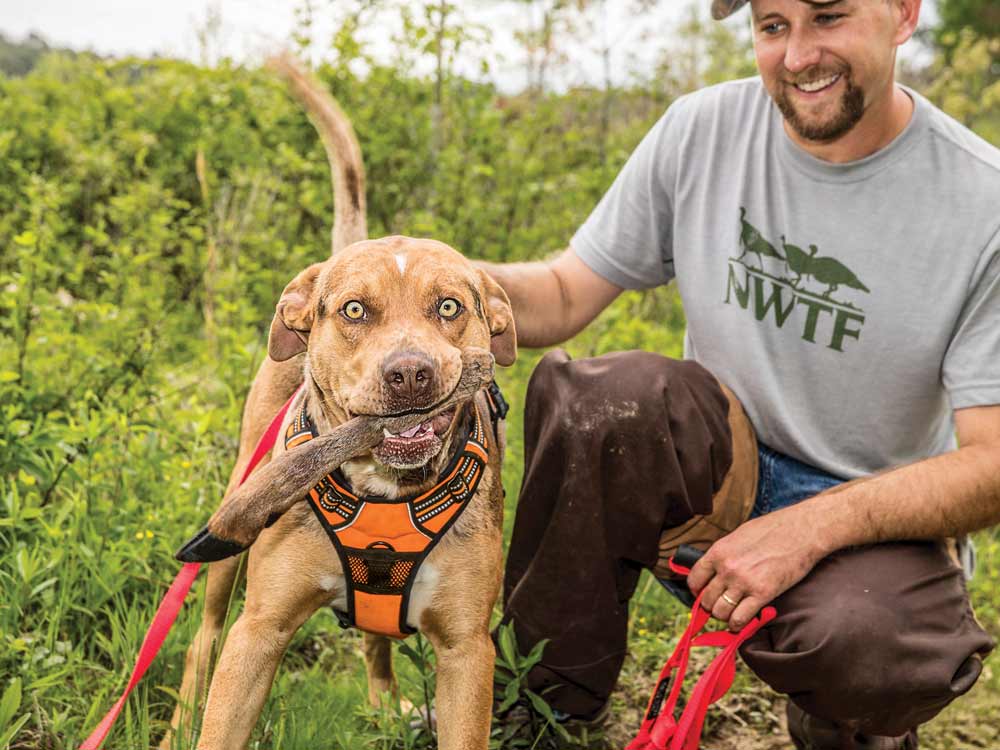
Tracking harnesses spread pressure evenly on your dog’s body. They stop choking and make pulling easier to handle. Choose a harness with adjustable straps for a good fit. A harness with bright colors or reflective parts helps you see your dog. This gear lets your dog track for longer without pain or injury.
Gps And Tracking Devices
GPS devices help you know your dog’s exact location. Attach a GPS tracker to your dog’s collar or harness. This gear works well in forests and big fields. Some devices show real-time movement on your phone. Tracking devices keep your dog safe and help find it fast if lost.
Basic Obedience Training
Basic obedience training is the first step to prepare your dog for tracking deer. This training builds a strong foundation. It teaches your dog to listen and respond to your commands. Without good obedience, tracking work becomes difficult and frustrating.
Start with simple commands and make sure your dog understands each one. Consistency and patience are key. A well-trained dog stays focused and controlled during tracking. This improves the chances of a successful hunt.
Commands Every Tracker Needs
Teach basic commands such as “sit,” “stay,” “come,” and “heel.” These commands help you guide your dog during tracking. Introduce the “track” command to signal your dog to begin following a scent. Also, train your dog to respond to “leave it” to stop distractions. Clear commands reduce confusion and keep your dog on task.
Building Focus And Control
Focus training helps your dog ignore distractions like other animals or noises. Use short training sessions with rewards to keep your dog interested. Practice in different environments to improve control. Teaching your dog to check in with you regularly creates better teamwork. Controlled dogs follow your lead and track more efficiently.
Introducing Scent Training
Introducing scent training is the first step to teach your dog how to track deer. Dogs have an amazing sense of smell. You can use this natural skill to help them follow deer trails. Scent training helps your dog recognize and remember the deer’s unique scent. This makes tracking easier and more accurate. Start with simple exercises and build up to more complex scent trails. Patience and consistency are key in this process.
Collecting Deer Scent
Collect fresh deer scent to use in training sessions. You can gather scent from deer fur, droppings, or rubbing branches. Use clean cloth or cotton pads to pick up the scent. Store the scent in airtight containers to keep it strong. Avoid mixing scents from other animals. Keep the scent samples safe and dry for best results. This helps your dog focus on the correct smell.
Scent Imprinting Techniques
Start imprinting your dog with the deer scent in a quiet area. Let your dog sniff the scent several times. Reward your dog with treats or praise each time they show interest. Repeat this daily to build a strong connection. Next, create short scent trails using the collected deer scent. Guide your dog along the trail and encourage them to follow. Gradually increase the trail length as your dog improves. This trains your dog to track deer confidently.
Tracking Exercises
Tracking exercises help your dog learn how to follow deer scents. These exercises build the dog’s confidence and skills step by step. Start easy and then make the trails harder. Practice often to get the best results.
Each exercise trains different parts of tracking. The dog learns to focus, follow scent, and ignore distractions. Consistent training shapes your dog into a reliable tracker.
Short Distance Trails
Begin with short trails of 20 to 30 feet. Lay a scent trail using deer scent or a toy with your scent. Walk slowly and let the dog watch you lay the trail.
Encourage the dog to follow the trail. Praise and reward when the dog reaches the end. Repeat this exercise to build confidence and focus.
Increasing Trail Complexity
Make trails longer and more challenging. Add turns, crosses, and different ground surfaces. These changes help the dog learn to follow complex paths.
Use natural obstacles like bushes and trees. The dog must work harder to stay on the trail. Reward good tracking to keep the dog motivated.
Simulating Real Deer Tracks
Use deer scent collected from fresh tracks or droppings. Place scent drops along a trail in the woods or field. Add natural elements like leaves and twigs to cover the trail.
Train the dog to track quietly and carefully. This simulates real hunting conditions. Practice often in different locations to improve skills.
Credit: dwr.virginia.gov
Reward And Motivation Strategies
Reward and motivation strategies play a key role in training a dog to track deer. They help your dog stay focused and eager to follow scents. Using the right rewards keeps training sessions fun and productive. Dogs learn faster when they feel happy and encouraged.
Using Treats Effectively
Treats are a powerful tool for training tracking skills. Choose small, tasty treats your dog loves. Give treats immediately after your dog finds a scent or follows a trail. This helps your dog connect the action with the reward. Avoid giving treats too often to keep them special. Use treats to guide your dog step by step through tracking tasks.
Praise And Play As Incentives
Dogs enjoy praise and play as much as treats. Use a happy voice and pet your dog to show approval. Play with a favorite toy after a good tracking effort. This makes training feel like a game. Praise and play motivate dogs to try harder. Mix praise and play with treats for best results.
Advanced Tracking Skills
Advanced tracking skills help your dog follow deer more accurately. These skills build on basic tracking and need more focus and practice. Training your dog to handle challenges improves its confidence and success in the field. This section covers key skills for better tracking in tough conditions.
Handling Distractions
Distractions like smells, sounds, and animals can confuse your dog. Teach your dog to stay focused despite these distractions. Use short training sessions with controlled distractions. Reward your dog for ignoring distractions and continuing the track. Gradually increase distractions to build your dog’s focus over time.
Tracking In Different Terrains
Deer live in many types of land, from forests to fields. Train your dog on various surfaces like mud, grass, and rocky areas. Each terrain changes how a scent spreads and lasts. Practice tracking where the ground is wet or dry. Let your dog explore new areas to adapt its tracking style.
Tracking At Night
Tracking at night is harder because of low visibility and cooler air. Dogs rely more on scent than sight in the dark. Train your dog in low light to build confidence. Use safe, familiar areas for night training. Keep your dog close and use a light leash for control. Night training helps your dog track deer anytime.
Troubleshooting Common Issues
Training a dog to track deer can be challenging. Sometimes, dogs face problems that slow down their progress. Knowing how to fix these common issues helps keep training on track. Understanding each problem makes the process smoother for both you and your dog.
Loss Of Interest
Dogs may lose interest in tracking if they get bored or distracted. Try using fresh deer scents to keep their attention. Short training sessions often work better than long ones. Praise your dog with treats or pets to encourage focus.
False Trails
False trails confuse dogs and make tracking harder. They happen when dogs follow wrong scents or old tracks. Guide your dog back gently to the right path. Use clear commands and reward correct tracking to build confidence.
Overexcitement
Excited dogs may rush or ignore commands. Teach calm behavior before starting the track. Use a calm voice and steady pace during training. Help your dog learn to focus despite excitement around them.
Maintaining Tracking Skills
Maintaining your dog’s tracking skills is key to successful deer tracking over time. Skills can fade without regular work. Consistent practice helps keep your dog sharp and confident.
Tracking is a natural skill, but it needs regular exercise. The more you train, the better your dog performs. Training also builds your dog’s focus and stamina.
Regular Practice Sessions
Set aside time every week for tracking practice. Short, frequent sessions work best. Use fresh deer scents to keep interest high. Vary the trails to challenge your dog. Praise and reward your dog often. This keeps training fun and motivates your dog to track well.
Seasonal Training Adjustments
Change training based on the season and weather. In hot weather, train early mornings or late evenings. Cold weather may need shorter sessions to avoid fatigue. Adjust scent types as deer move in different areas. Watch how your dog reacts and adapt your approach. Seasonal changes affect tracking conditions and your dog’s performance.

Credit: www.youtube.com
Frequently Asked Questions
How Long Does It Take To Train A Dog To Track Deer?
Training a dog to track deer usually takes several weeks of consistent practice.
What Breeds Are Best For Deer Tracking Training?
Bloodhounds, German Shepherds, and Beagles are popular breeds for deer tracking.
What Basic Skills Must A Dog Learn First?
Dogs should learn obedience, scent recognition, and following commands before tracking.
How Do You Introduce Deer Scent To A Dog?
Use deer fur or urine on a trail and let the dog follow the scent.
Can Any Dog Be Trained To Track Deer?
Most dogs can learn tracking with patience, but some breeds have stronger scents.
What Tools Help In Training A Dog To Track Deer?
Leashes, tracking harnesses, and scent samples help guide and train tracking dogs.
Conclusion
Training a dog to track deer takes time and patience. Start with simple steps and be consistent every day. Praise your dog often to keep motivation high. Watch your dog’s progress and adjust training as needed. Tracking skills grow stronger with practice and care.
Enjoy the journey with your dog and stay positive. This skill builds a strong bond between you and your dog. Keep training sessions short and fun to avoid frustration. Soon, your dog will track deer confidently and happily.
As an Amazon Associate, I earn from qualifying purchases.