If you want a loyal companion that excels in the water and in the field, training a duck dog is the key. Whether you’re aiming to improve your hunting skills or simply want a well-behaved dog that loves water, the right training makes all the difference.
You might feel overwhelmed wondering where to start or how to get your dog to listen every time. This guide will break down simple, effective steps you can use to turn your dog into the perfect duck hunting partner. Keep reading, and you’ll discover the secrets that make training easier and more rewarding for both you and your dog.
Choosing The Right Duck Dog
Choosing the right duck dog is the first step toward a successful hunting experience. The right dog will work well in water and follow your commands. It must have the right instincts and a good attitude. Training becomes easier with a dog suited for the task. Focus on breeds that naturally enjoy water and retrieving. Temperament and drive also matter. The dog should be eager to work and calm under pressure.
Best Breeds For Duck Hunting
Some dog breeds are naturally better at duck hunting. Labrador Retrievers are popular for their strong swimming skills. They are friendly and easy to train. Chesapeake Bay Retrievers have high endurance and love cold water. They are tough and reliable. Golden Retrievers are gentle and smart. Their soft mouths protect the duck during retrieval. Other breeds like the Flat-Coated Retriever and the German Shorthaired Pointer also do well. Choosing a breed with a strong hunting background helps a lot.
Assessing Temperament And Drive
Temperament means how the dog behaves around people and other animals. A good duck dog must be calm and obedient. It should not be aggressive or shy. Drive is the dog’s natural urge to work and retrieve. High drive dogs enjoy chasing and fetching. They want to please their handler. Low drive dogs might lose interest quickly. Observe puppies or young dogs to see their energy and focus. The best duck dogs have a balance of calmness and excitement for the task.
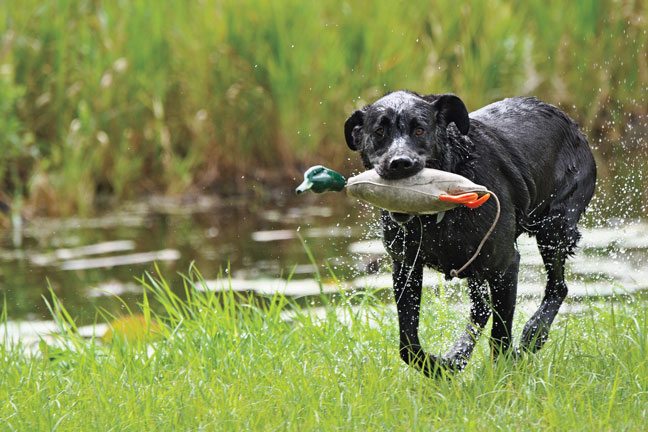
Credit: www.wildfowlmag.com
Basic Obedience Training
Basic obedience training is the first step to a well-behaved duck dog. It builds a strong bond between you and your dog. Training helps your dog listen and follow commands during hunting. Starting with simple commands makes learning easier for your dog.
Patience and clear instructions lead to better results. Training sessions should be short and fun. This keeps your duck dog interested and eager to learn.
Commands Every Duck Dog Should Know
Start with essential commands like “sit,” “stay,” and “come.” These control your dog in many situations. Teaching “heel” helps your dog walk beside you calmly. “Fetch” is important for retrieving ducks safely. “Leave it” stops your dog from picking up unwanted items. Practice these commands daily to build good habits.
Consistency And Positive Reinforcement
Use the same words and gestures for each command. This helps your dog understand what you want. Reward your dog with treats or praise for good behavior. Positive reinforcement makes training enjoyable and effective. Avoid punishment, as it can cause fear and confusion. Consistent training sessions create a reliable and happy duck dog.
Water Training Techniques
Training a duck dog to work in water is essential for hunting and retrieving. Water training techniques help your dog become comfortable and skilled in wet environments. These steps build trust and confidence. Start slow and be patient. Keep sessions short but frequent. This helps your dog learn without stress.
Introducing Water Slowly
Start by letting your dog explore shallow water. Use calm and warm water if possible. Allow your dog to walk and splash around. Do not force your dog into deep water at first. Use toys or treats to encourage interest. Praise your dog for every small step in water. Gradually increase the water depth as your dog feels safe.
Building Confidence In Wet Environments
Practice simple commands near water’s edge. Teach your dog to sit and stay on wet ground. Use gentle encouragement to move into deeper water. Bring in retrieving objects for your dog to fetch. Celebrate each successful retrieve to boost confidence. Repeat often to build a positive experience. Always end sessions on a happy note.
Retrieval Skills Development
Developing retrieval skills is key for a successful duck dog. These skills help your dog find and bring back birds during hunts. Training should start early and focus on simple, clear tasks. Practice builds your dog’s confidence and sharpens its natural instincts.
Consistent training sessions with positive rewards make learning fun. Keep sessions short to hold your dog’s attention. Use tools and drills that mimic real hunting situations. This helps your dog understand what to do in the field.
Teaching Marking And Memory
Marking means your dog watches where the bird falls. This skill helps your dog remember the exact spot. Start by throwing a dummy or bumper and encouraging your dog to watch closely. Praise your dog when it runs straight to the spot.
Gradually increase the distance and number of marks. Mix single and multiple marks to challenge your dog’s memory. Use commands like “Mark” and “Fetch” to guide your dog. This trains your dog to focus and recall the bird’s location.
Using Bumpers And Dummy Drills
Bumpers and dummies are safe tools for retrieval training. They mimic the weight and feel of a real bird. Start with short retrieves using a single bumper. Reward your dog for quick and smooth returns.
Increase difficulty by adding water retrieves and multiple dummies. Change the landing spots to test your dog’s memory. Practice steady delivery by teaching your dog to hold the bumper gently. This prepares your dog for real hunting scenarios.
Advanced Hunting Drills
Advanced hunting drills push your duck dog’s skills beyond the basics. These exercises build focus, speed, and accuracy under real conditions. Your dog learns to respond to complex commands and adapt to changing environments. Training at this level prepares your dog for the challenges of actual hunting trips.
Simulating Real Hunting Scenarios
Replicate the sights and sounds of a hunting day. Use decoys, gunfire sounds, and water obstacles to create a true hunting environment. This helps your dog stay calm and focused amid distractions. Practice releasing your dog from different positions and angles. Teach your dog to find birds in tall grass, water, or dense brush. This training sharpens your dog’s instincts and decision-making.
Handling Multiple Birds And Blind Retrieves
Train your dog to handle more than one bird at a time. Start with two birds in different locations. Teach your dog to retrieve each bird without confusion. Blind retrieves require your dog to fetch without seeing the bird fall. Use directional commands to guide your dog on these tasks. This drill improves your dog’s listening skills and trust in your commands. It builds confidence in challenging hunting situations.

Credit: www.outdoorlife.com
Health And Conditioning
Training a duck dog requires strong health and good conditioning. A fit dog works better in the field. It stays alert and active longer. Good health helps prevent injuries and illness. This section covers key parts of keeping your dog in top shape.
Nutrition For Peak Performance
Proper food fuels your dog’s energy and strength. Choose high-quality dog food with balanced nutrients. Protein supports muscles and repair. Healthy fats provide long-lasting energy. Include vitamins and minerals for overall health. Fresh water must be available at all times. Avoid feeding junk food or too many treats. Monitor weight to keep your dog lean but strong. Good nutrition helps your dog perform at its best.
Exercise Routines For Endurance
Regular exercise builds your dog’s stamina and speed. Start with short walks or light runs. Gradually increase the distance and intensity. Include swimming or playing fetch to add variety. Training sessions should last 20 to 30 minutes daily. Rest days help muscles recover and prevent burnout. Use different terrains to strengthen paws and joints. Consistent exercise improves endurance and mental focus. A well-conditioned dog handles training and work better.
Common Training Challenges
Training a duck dog comes with its own set of challenges. These challenges can slow progress and test patience. Knowing common issues helps you prepare better. It also makes training smoother for both you and your dog.
Addressing Hesitation And Fear
Some duck dogs hesitate to follow commands. Fear may stop them from retrieving or entering water. Start with gentle encouragement. Use soft, calm voice tones to build trust. Introduce water slowly, letting your dog explore at its own pace. Reward small steps to boost confidence. Avoid forcing your dog into situations it dislikes. Patience is key to overcoming fear.
Correcting Overexcitement
Overexcited dogs often jump or bark too much. This behavior can disrupt training sessions. Teach your dog to stay calm before starting exercises. Use commands like “sit” or “wait” to control energy. Praise calm behavior with treats or gentle petting. Stop training if your dog becomes too wild. Short, frequent sessions help manage excitement better.
Equipment Essentials
Training a duck dog requires the right equipment. The proper tools make training smooth and safe. Choosing the right collar, leash, and training aids helps your dog learn faster. Quality equipment protects your dog and builds trust between you and your pet.
Choosing The Right Collar And Leash
Pick a collar that fits well but is not too tight. A flat buckle collar works best for most duck dogs. Avoid collars that can choke or hurt your dog. The leash should be strong and long enough for control. A 6-foot leash gives freedom but keeps your dog close. Nylon or leather leashes are good choices. Check the leash for secure clips and durable material.
Using Training Aids Effectively
Training aids help guide your dog’s behavior. Use whistles to signal commands clearly. Choose a whistle with a sharp, clear tone. A training dummy helps teach fetching and retrieving. Use one that mimics a duck’s size and weight. Avoid overusing aids to prevent confusion. Always reward good behavior with treats or praise. Keep training sessions short and focused for best results.
Maintaining Progress
Maintaining progress in training a duck dog is important for steady results. Consistency keeps your dog sharp and confident. Skipping practice can cause skills to fade. Focus on small, regular sessions. This helps your dog learn better and stay motivated.
Regular Practice Tips
Set a daily or weekly training schedule. Short sessions of 10 to 15 minutes work well. Use clear commands and rewards. Practice in different locations to build focus. Keep the training fun to avoid boredom. Watch your dog’s energy and adjust the pace. Repeat exercises often to strengthen skills.
Tracking Improvements Over Time
Keep a training journal or log. Write down what exercises you do and how your dog responds. Note any mistakes or challenges. Track progress by recording successful tasks. Use photos or videos for review. This helps spot patterns and areas needing work. Tracking shows growth and encourages patience.

Credit: www.outdoorlife.com
Frequently Asked Questions
How Long Does It Take To Train A Duck Dog?
Training a duck dog usually takes several months with regular practice and patience.
What Basic Commands Should A Duck Dog Learn First?
Start with sit, stay, come, and heel to build a strong foundation.
How Do I Teach My Dog To Retrieve Ducks?
Use dummy training and gradually introduce real duck scents and water retrieves.
When Should I Start Training My Duck Dog?
Begin training as early as 8 weeks old for best results.
How Important Is Socialization For A Duck Dog?
Socialization helps your dog stay calm and focused during hunts.
What Tools Are Essential For Training A Duck Dog?
Use a training collar, dummy launcher, whistle, and plenty of treats.
Conclusion
Training a duck dog takes time and patience. Start with basic commands and build trust daily. Keep sessions short and positive to hold your dog’s attention. Practice regularly near water and fields to prepare for real hunts. Watch your dog’s progress and adjust training as needed.
Enjoy the process and celebrate small wins together. A well-trained duck dog is a loyal and helpful companion. Stay consistent, and your dog will learn to work confidently in the field.
As an Amazon Associate, I earn from qualifying purchases.