Training your squirrel dog can be a fun and rewarding experience, but it also comes with its own unique challenges. If you want your dog to be quick, focused, and obedient while chasing squirrels, you need the right techniques.
You’ll discover simple, effective steps that will make training easier and more enjoyable for both you and your dog. Keep reading to unlock the secrets that can turn your squirrel dog into a well-trained companion you can be proud of.
Choosing The Right Squirrel Dog
Picking the right dog is key for successful squirrel hunting. The dog must have specific skills and traits. These traits help the dog track, chase, and find squirrels effectively.
Not all dogs are suited for this task. Some breeds naturally have better hunting instincts. Others may need more training to perform well. Knowing what to look for saves time and effort.
Traits To Look For
Good squirrel dogs are fast and agile. They must move quietly through woods without scaring squirrels away.
Strong scent tracking helps the dog follow squirrel trails. A good nose means better success during hunts.
High energy and endurance allow the dog to work long hours. The dog should not tire quickly.
Intelligence and trainability are important. The dog must learn commands and stay focused during hunts.
Boldness helps the dog chase squirrels up trees without fear. Confidence is a must.
Best Breeds For Squirrel Hunting
Beagles are popular for squirrel hunting. They have strong noses and lots of energy.
Terriers, like the Jack Russell, are brave and quick. They excel at chasing squirrels.
Treeing Walker Coonhounds have good stamina and tracking skills. They are natural treeing dogs.
English Foxhounds work well too. They follow scents well and have good endurance.
Some mixed breeds also make good squirrel dogs. Focus on traits, not just breed name.
Basic Training Essentials
Training a squirrel dog starts with basic essentials. These basics set the foundation for good behavior. They help your dog understand what you expect. Consistency and patience are key. Simple steps make training easier and effective.
Establishing Commands
Choose clear, short commands for your squirrel dog. Use words like “sit,” “stay,” and “come.” Say commands firmly but kindly. Repeat commands often during training sessions. This helps your dog learn faster and remember better.
Building Obedience
Practice commands in different places and times. Start indoors, then move outside. Reward your dog for following commands quickly. Avoid punishment; it can confuse your dog. Keep training sessions short to hold attention.
Using Positive Reinforcement
Give treats or praise when your dog obeys. Positive reinforcement builds trust and good habits. Use a happy voice and pet your dog gently. This motivates your dog to repeat good behavior. Make training fun for both of you.
Introducing Squirrel Scent
Introducing squirrel scent is the first step in training a squirrel dog. The dog needs to recognize the unique smell of squirrels. This helps the dog focus during tracking and hunting tasks. Early exposure to the scent builds confidence and interest in the dog. It also creates a strong connection between the dog and the target animal.
Scent Familiarization Techniques
Start by giving the dog a piece of cloth with squirrel scent. Let the dog sniff it for a few minutes. Repeat this several times a day for a week. Use treats to reward the dog for showing interest. This positive reinforcement encourages the dog to pay attention.
Next, hide the scented cloth in easy spots. Let the dog find it using only its nose. Gradually increase the difficulty by hiding the cloth in harder places. This trains the dog to track the scent over different surfaces and distances.
Tracking Exercises
Begin tracking exercises in a quiet, safe area. Drag the scented cloth along the ground to create a scent trail. The dog follows the trail from start to finish. Praise and reward the dog when it reaches the end.
Slowly increase the length and complexity of the scent trail. Add turns and obstacles to simulate real tracking conditions. Practice often to improve the dog’s skills and confidence. Tracking exercises help the dog learn how to stay focused on the squirrel scent.
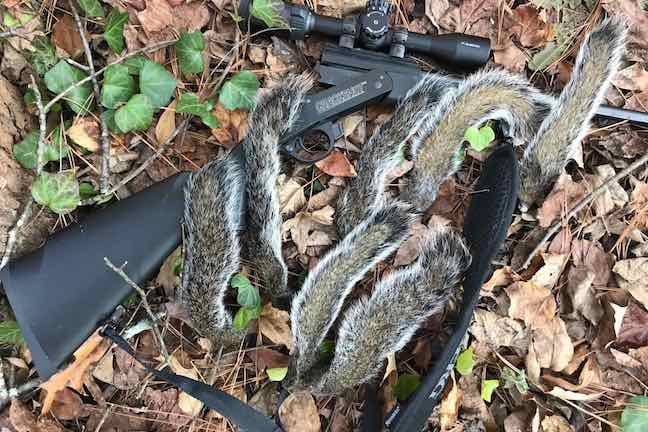
Credit: www.gameandfishmag.com
Enhancing Agility And Speed
Enhancing your squirrel dog’s agility and speed is key for better performance. Faster turns and quick reactions help your dog chase squirrels effectively. Training these skills boosts your dog’s confidence and enjoyment during play.
Agility Drills
Set up simple obstacles like cones or low jumps. Guide your dog around them using treats or toys. Practice changing directions quickly to improve reflexes. Short, frequent sessions work best for training agility.
Use tunnels or weave poles to increase challenge. Keep drills fun and reward your dog often. This keeps your dog motivated and eager to learn.
Conditioning Tips
Regular exercise builds muscle and stamina for speed. Include brisk walks, short runs, and playtime. Avoid overworking your dog to prevent injury.
Warm-up before training and cool down after. Stretch your dog’s legs gently to keep muscles flexible. Healthy diet and hydration support physical conditioning too.
Field Training Strategies
Field training is key to prepare a squirrel dog for real hunting. It builds skills and confidence outside the home. This training helps dogs learn how to find and point squirrels in natural settings. Trainers focus on creating realistic situations that challenge the dog.
Dogs must get used to outdoor smells, sounds, and movements. This exposure helps them stay focused during hunts. Field training also teaches dogs how to obey commands amid distractions. Careful practice makes the dog reliable and calm in the field.
Simulating Real Hunts
Start by creating a safe area that looks like a hunting spot. Use logs, bushes, and trees to mimic the forest. Hide squirrel scents or dummies for the dog to find. Let the dog explore and use its nose to track.
Practice pointing and holding still when the dog finds a target. Reward calm behavior to encourage patience. Repeat this often to build the dog’s confidence and skills. Change the hiding places to keep the dog sharp.
Handling Distractions
Introduce noises and movements that might happen during a hunt. Birds, other animals, or rustling leaves can distract a dog. Train the dog to ignore these distractions and focus on the hunt.
Use commands like “stay” and “look” to regain attention. Keep training sessions short to avoid stress or boredom. Reward the dog for ignoring distractions and following orders. This helps the dog stay steady during real hunting trips.
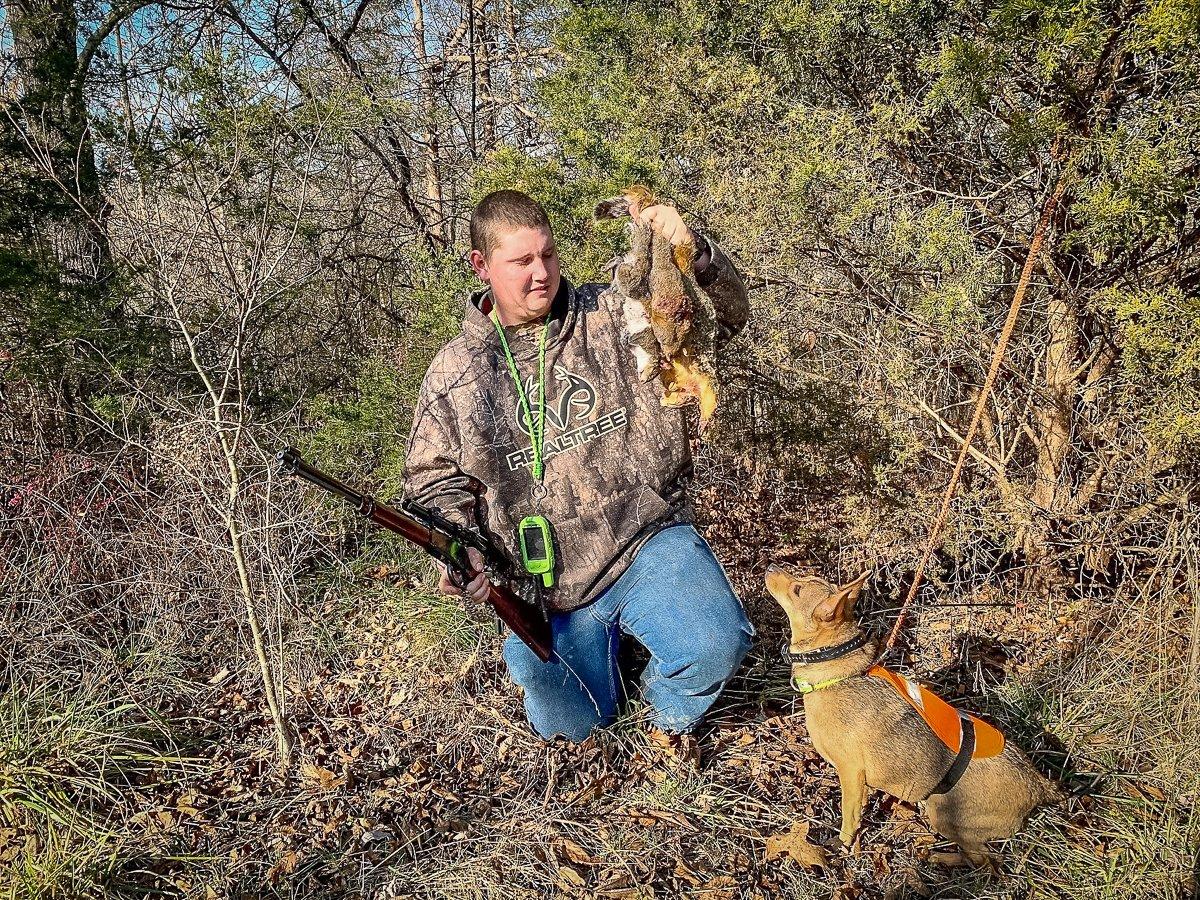
Credit: realtree.com
Common Challenges And Solutions
Training a squirrel dog can be rewarding but comes with challenges. Understanding common issues helps trainers stay patient and effective. This section covers key problems and practical solutions. These tips will guide you through typical obstacles in training your squirrel dog.
Dealing With Fear Or Hesitation
Many squirrel dogs show fear or hesitation at first. Loud noises or new environments can scare them. Start training in a calm, quiet place. Use soft, encouraging words to build trust. Give treats for small steps forward. Avoid forcing the dog into situations too fast. Gradual exposure helps the dog gain confidence. Praise every brave action, no matter how small.
Correcting Unwanted Behaviors
Unwanted behaviors like barking or chasing distract training. Ignore attention-seeking actions to reduce them. Redirect the dog’s focus with a toy or command. Be consistent with rules and commands. Reward good behavior immediately to reinforce it. Avoid harsh punishments, which cause fear and confusion. Patience and repetition improve behavior over time.
Maintaining Long-term Success
Training a squirrel dog takes time and patience. Success does not end after the first lessons. Maintaining long-term success is key. You need to keep the skills sharp and behavior consistent. This requires ongoing effort and smart routines. The dog should stay eager and confident in its tasks. Regular practice and fun can help your dog stay focused and happy.
Regular Practice Routines
Set specific times each day for training. Short sessions work better than long ones. Practice simple commands and tricks often. Use real-life situations to reinforce learning. Consistency helps your dog remember what to do. Keep the environment calm and free from distractions. Check progress and adjust exercises as needed. Regular routines build strong habits and trust.
Keeping Training Fun
Mix different activities to avoid boredom. Use toys, treats, and praise to motivate your dog. Try new challenges to keep the dog interested. Play games that involve running and fetching. Celebrate small achievements with rewards. A happy dog learns faster and stays loyal. Training should feel like a game, not a chore. This keeps your dog eager to learn every day.
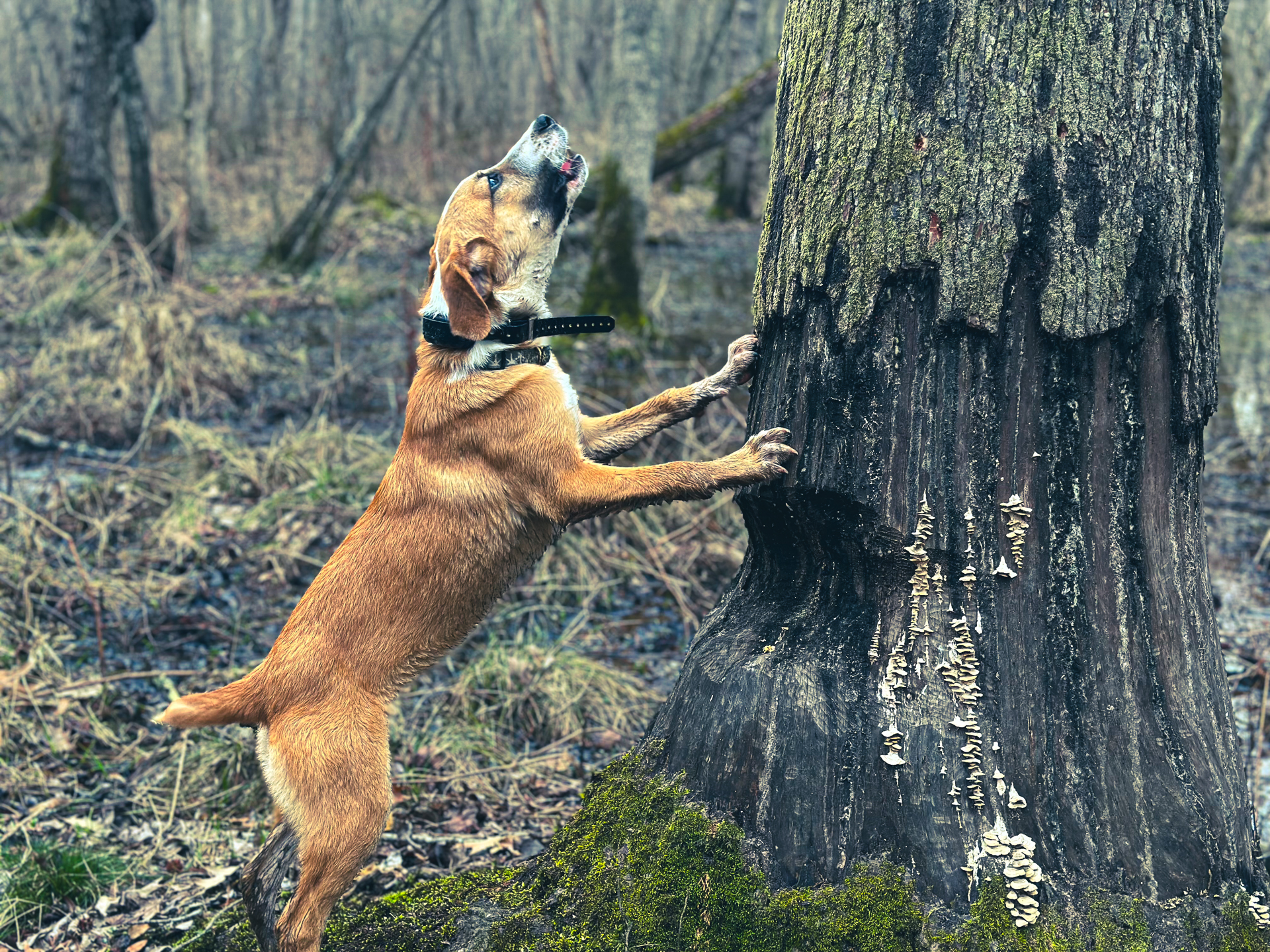
Credit: www.mossyoak.com
Frequently Asked Questions
What Is A Squirrel Dog And Its Main Purpose?
A squirrel dog is trained to find and track squirrels during hunting or outdoor activities.
How Long Does It Take To Train A Squirrel Dog?
Training usually takes several weeks with daily practice and consistent commands.
What Are The Best Exercises For Squirrel Dog Training?
Use tracking games, scent trails, and recall commands to build skills and focus.
Can Any Dog Breed Be Trained As A Squirrel Dog?
Most breeds can learn, but hunting and scent-driven breeds excel best in this role.
How To Keep A Squirrel Dog Motivated During Training?
Use treats, praise, and short play sessions to maintain interest and energy.
What Common Mistakes Should Be Avoided In Training A Squirrel Dog?
Avoid inconsistent commands, long sessions, and lack of positive reinforcement to prevent confusion.
Conclusion
Training a squirrel dog takes patience and clear steps. Start with basic commands and keep sessions short. Reward good behavior to encourage learning. Practice often in different places to build skills. Stay calm and consistent to avoid confusion. Watch your dog’s progress and adjust training as needed.
Enjoy the journey and bond with your dog. Training helps your dog become confident and happy. Small efforts each day bring great results. Keep going—you and your dog will succeed together.
As an Amazon Associate, I earn from qualifying purchases.